

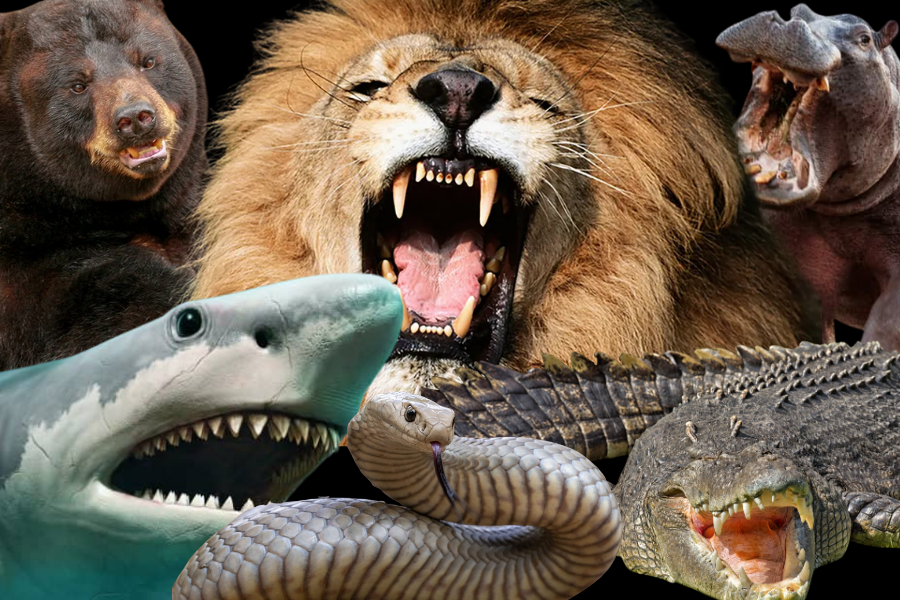
We grow up fearing the obvious predators — lions, sharks, crocodiles — beasts with fangs, muscle, and menace. But what if the world’s deadliest creatures don’t look deadly at all? True danger isn’t measured in size or strength but in silent strikes, hidden venom, and sheer numbers. While lions rule with claws, tiny assassins kill by the millions. Forget the monsters of horror films — some of nature’s greatest threats are nearly invisible, and one might already be closer than you think.
50. Giant Squid – A Mysterious, Deep-sea Giant
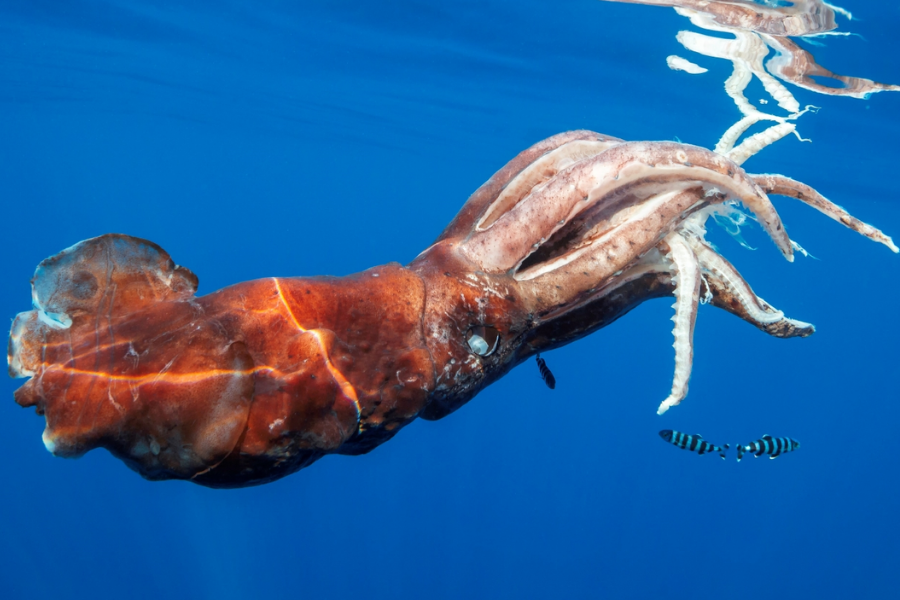
Let’s kick off our countdown at number 50 with a creature so elusive, some people still think it’s a myth. The giant squid lurks in the dark depths of the Atlantic and Pacific Oceans, especially near Japan and New Zealand.
With tentacles stretching over 40 feet and eyes like dinner plates, it’s the deep’s most mysterious predator. These titans even battle whales far below the surface.
Humans rarely encounter them, but knowing they’re out there is chilling enough.
49. Leopard – Stealthy Big Cat Killer
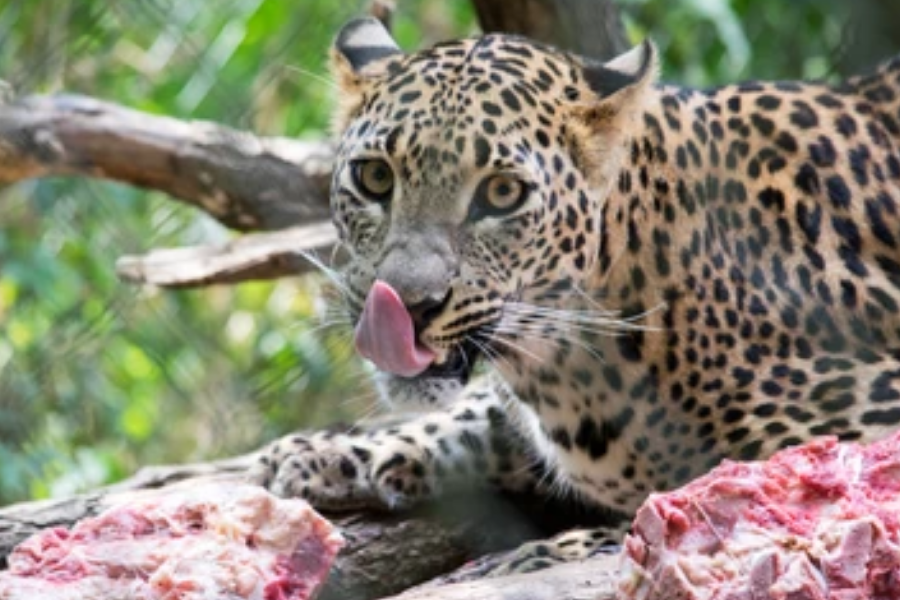
Leopards may be smaller than lions or tigers, but they’re far from harmless. Found across sub-Saharan Africa and parts of Asia, these big cats attack with startling speed and power.
They’re strong enough to drag prey twice their weight into trees to keep it safe from scavengers. Each year, around 150 people are killed by leopards — mostly in rural India.
They don’t roar before they strike. You don’t hear them coming until it’s already too late.
48. Cheetah – Fastest Land Predator
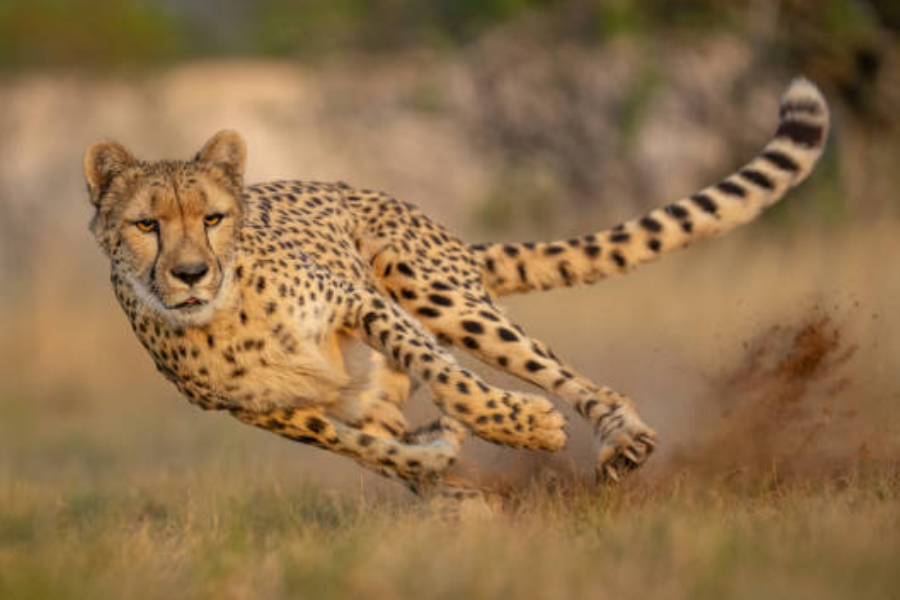
Built for speed, the cheetah is unmatched on land. Reaching up to 70 mph, it can close the distance before its prey even realizes it’s being hunted.
Normally shy, cheetahs steer clear of humans. But corner one, or threaten its cubs, and the world’s fastest animal turns into a blur of claws and fury.
Imagine it — the earth shaking beneath your feet, the sound of paws pounding closer, faster, until there’s no time left to run.
47. Gorilla – Animal with Immense Strength
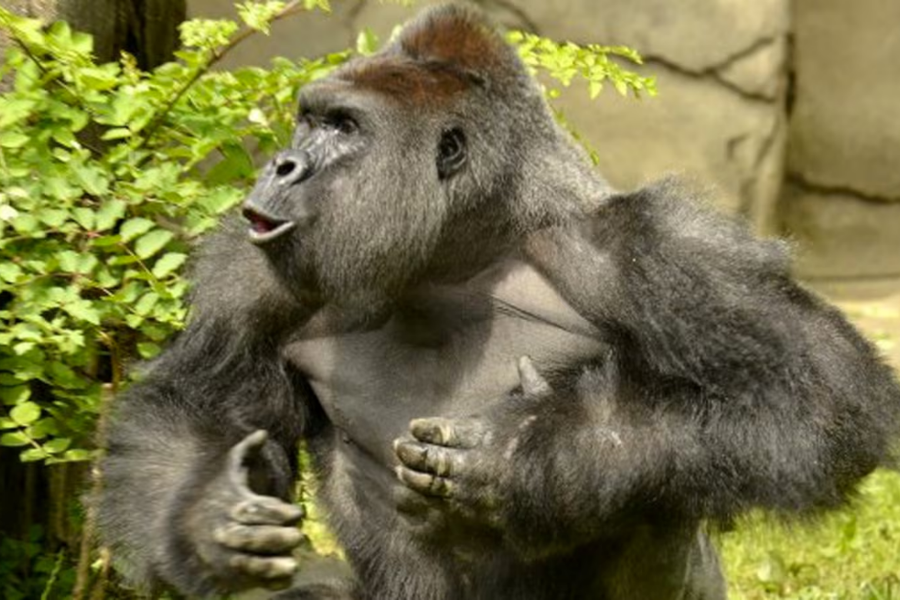
Gorillas are powerful, intelligent, and remarkably gentle — until they’re not. A full-grown silverback can lift nearly 1,800 pounds, crush bone with its jaws, and toss a grown man like a toy.
Fatal attacks on humans are rare, with only a handful of documented deaths worldwide, usually in captivity or when people cross into their territory. But when it happens, it happens fast.
They’re peaceful giants by choice, not weakness. Push them too far, and that calm disappears in a heartbeat.
46. Chimpanzee – Shockingly Aggressive
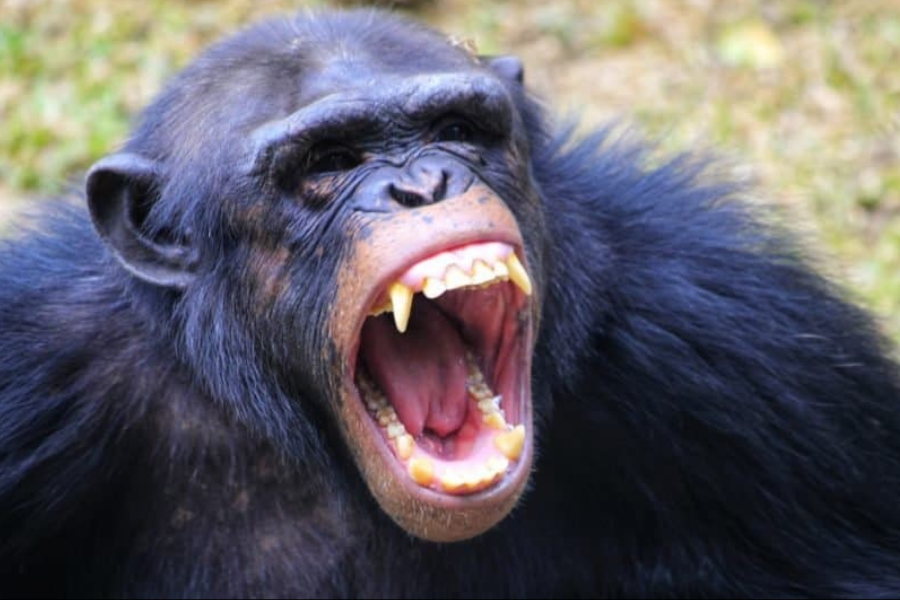
They smile, play, and share nearly 98% of our DNA — yet behind those familiar eyes lies something deeply unsettling. Chimps are stronger than most humans, faster, and far less predictable.
There are chilling accounts of chimp attacks: fingers torn off, faces mutilated, entire limbs ripped away in seconds. Their aggression isn’t rare — it’s instinctive.
They remind us that being intelligent doesn’t mean being kind. Sometimes, the monster that looks most like us is exactly that.
45. Wolf – Pack Hunter
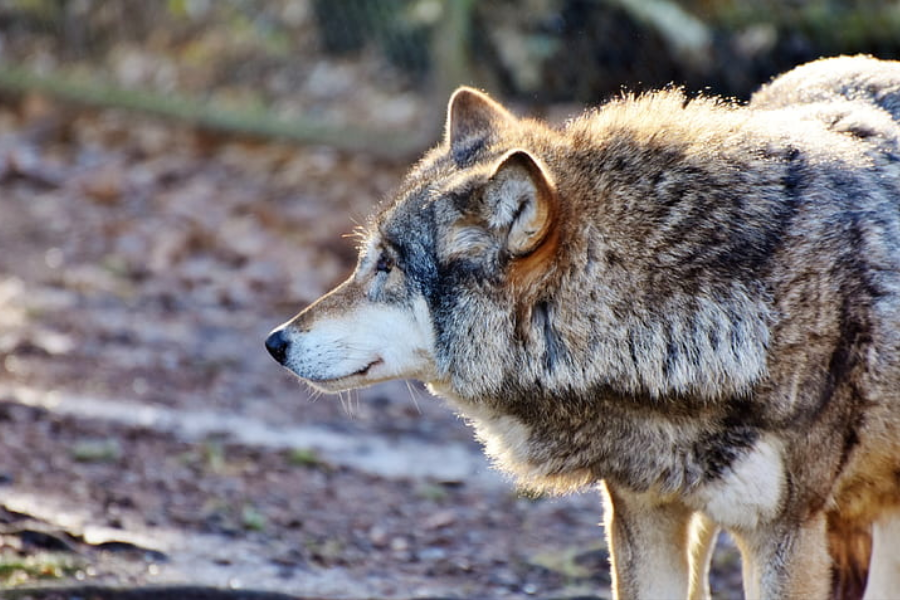
Wolves have always walked the line between myth and menace. From the frozen tundra to dense forests, they hunt in packs; coordinated, cunning, dangerous when the opportunity arises.
Between 2002 and 2020, researchers documented about 26 confirmed fatal wolf attacks worldwide — most often involving rabid individuals. In Europe and North America, attacks are exceedingly rare, but in parts of Asia and Africa, cases are more frequent.
That distant howl in the trees? It’s more than atmosphere. It’s a reminder: wolves don’t often seek us out. But when prey is scarce, they can cross the line.
44. Wild Boar – Tusked Menace
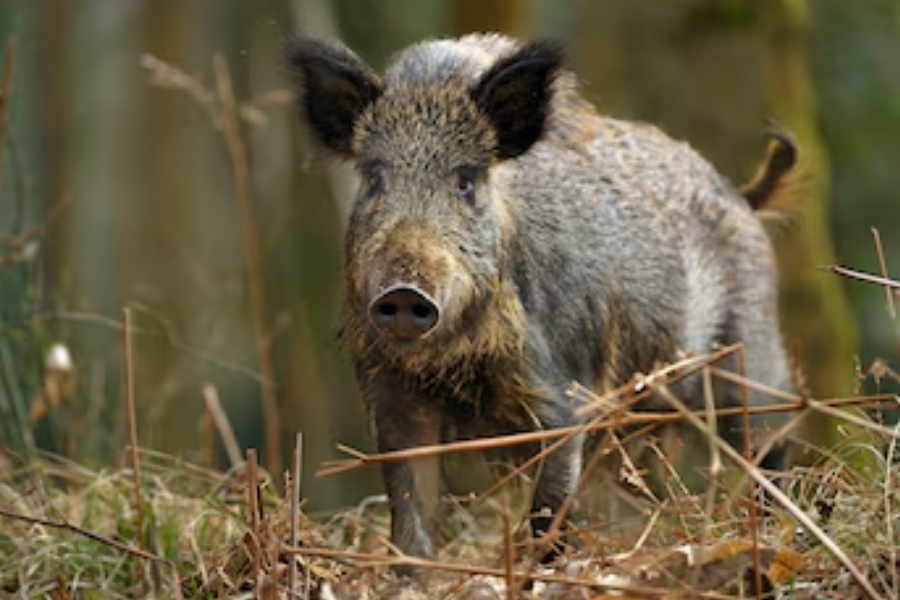
Wild boars roam across Europe, Asia, and parts of North America — forests, farmlands, even city edges. They look like oversized pigs, but these are muscle-bound missiles armed with razor-sharp tusks.
Charging at 25 mph, they’ve gored hunters, farmers, and unsuspecting travelers. Their aggression is sudden and relentless, often triggered by the smallest threat.
Every year, hundreds of injuries and deaths prove one thing: it’s not the predators you see coming that should scare you — it’s the ones that charge from the shadows.
43. Hyena – The Laughing Predator
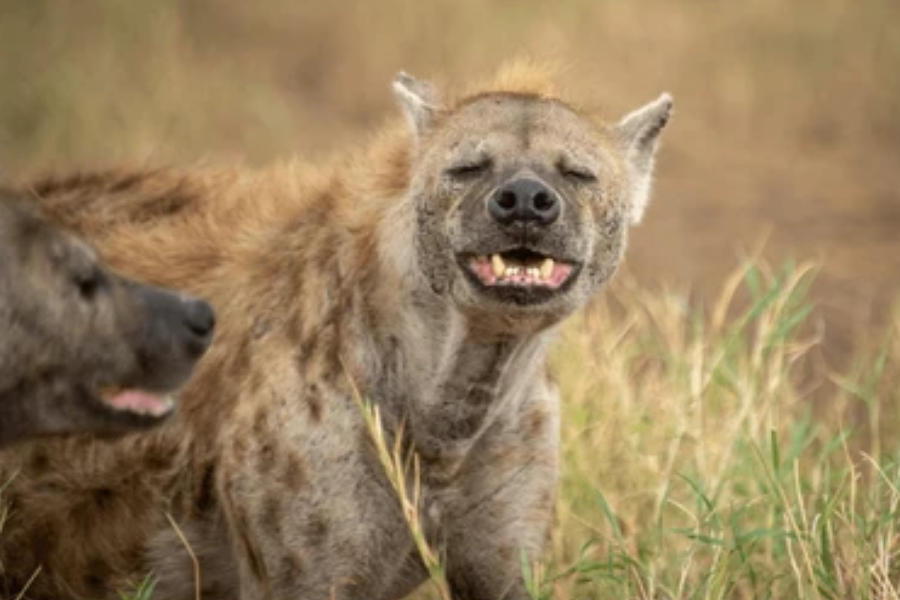
Hyenas roam across sub-Saharan Africa, from Ethiopia to Tanzania, and thrive wherever people and wilderness collide. They’re not just scavengers — they’re hunters with bone-crushing jaws and a hunger that never ends.
In parts of Malawi and Ethiopia, hyenas have raided villages at night, dragging away livestock — and sometimes children. Starvation and drought often drive them to turn on humans.
Their eerie, laughing calls echo through the dark, reminding everyone nearby that even laughter can mean danger.
42. Komodo Dragon – Real-Life Monster
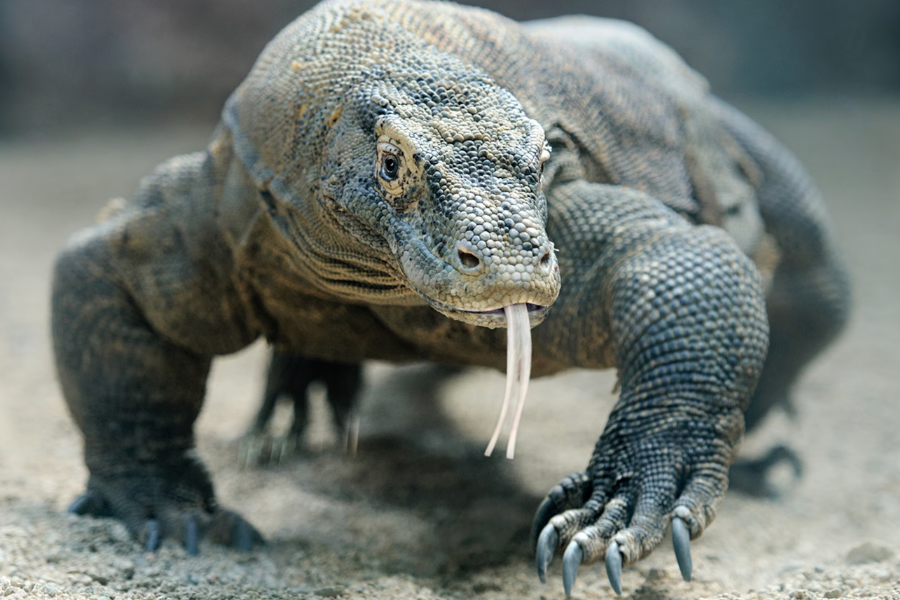
Komodo dragons dwell only on a few Indonesian islands, but their reputation echoes far beyond. Over a 38-year span (1974–2012), there were 24 recorded attacks on humans, five of them fatal, in Komodo National Park alone.
These predators combine ripping jaws, venomous saliva, and stealth. A bite doesn’t always kill immediately; victims may bleed, go into shock, suffer infection, or drown from internal damage.
They don’t need to chase you. They lie in wait — sometimes digging into shallow graves for carrion — reminding us that in nature, death doesn’t always arrive loudly.
41. Crocodile Monitor – Deadly Lizard
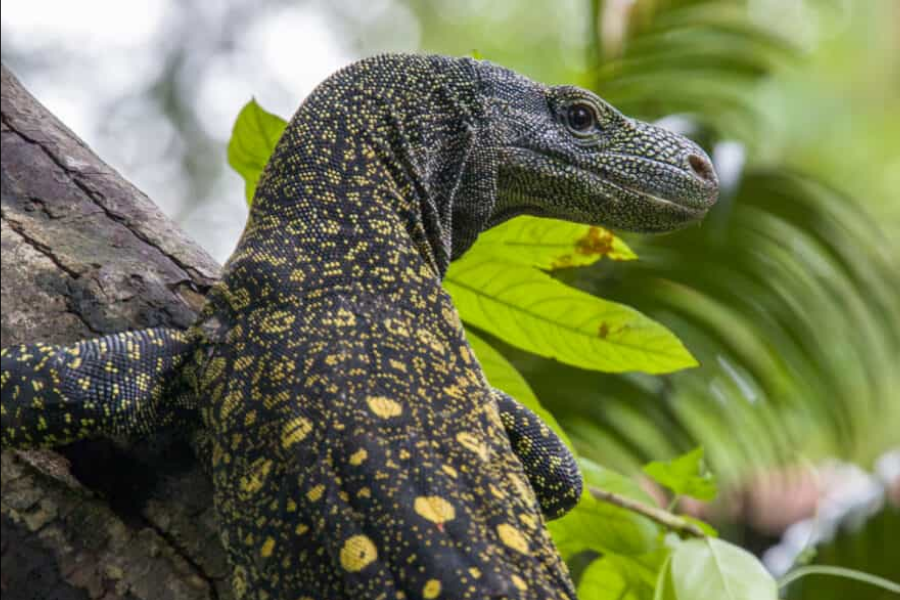
This lesser-known cousin of the Komodo is just as intimidating. At over 10 feet long, it can climb trees and drop onto prey from above.
Its bite is venomous, packed with bacteria that causes wounds to rot. Survivors often face months of painful recovery.
Silent, swift, and aggressive when cornered, this reptile proves that monsters don’t just live in the ocean — they’re waiting in the forests, too.
40. Grizzly Bear – Territorial Powerhouse
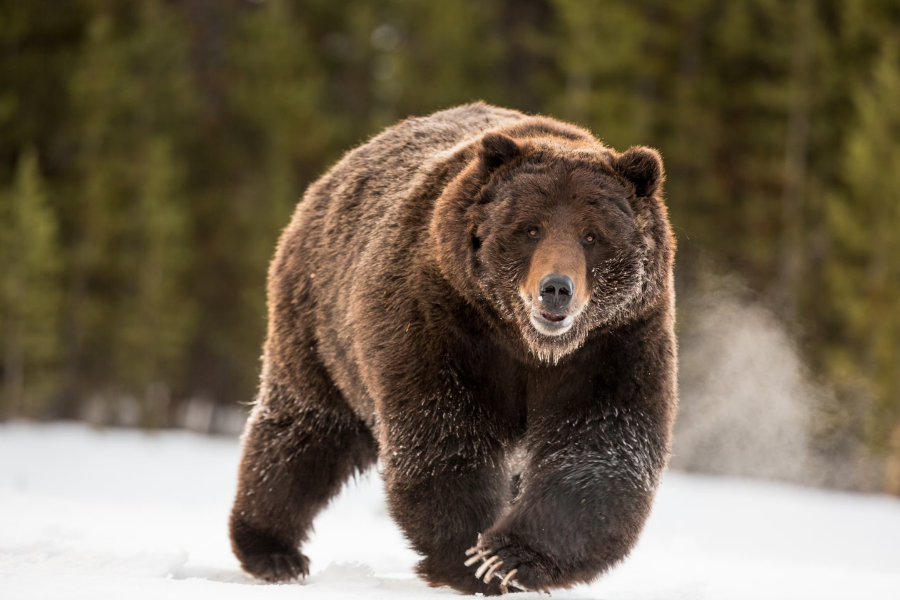
Found in Alaska, Canada, and the U.S. Rockies, grizzly bears are living engines of muscle and instinct. Weighing up to 800 pounds, they can sprint faster than a racehorse and crush bone with a single blow.
Between 2000 and 2022, grizzlies caused at least 90 human deaths across North America, most from surprise encounters or mothers defending cubs.
They don’t hunt humans, but they protect territory with brutal efficiency. When instinct snaps, there is no chance to plead.
39. Assassin Bug – The Silent Kisser
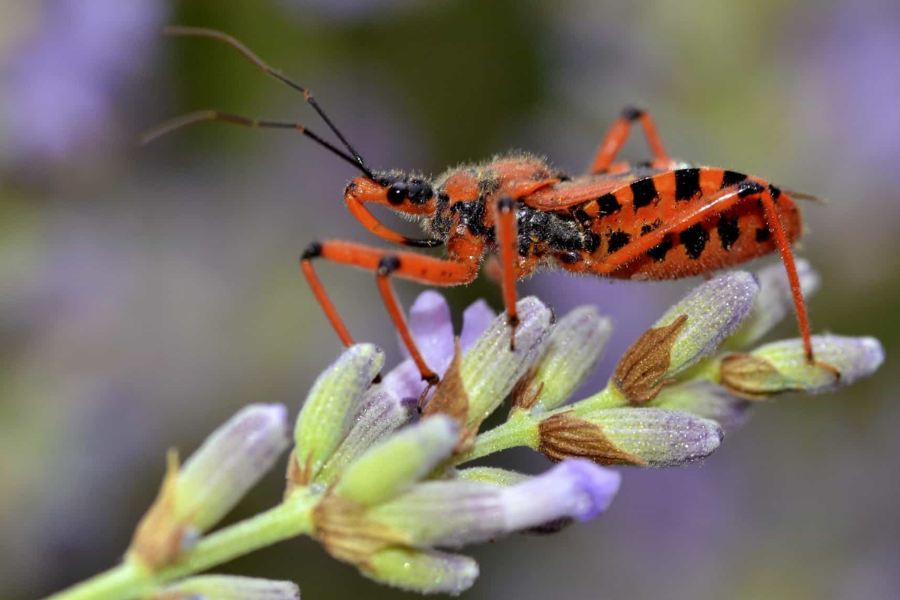
It sounds sweet, but the “kissing bug” is anything but. It bites around the mouth while people sleep, spreading parasites that cause Chagas disease.
The illness can remain hidden for years before it strikes, damaging the heart and nervous system. Millions suffer from it across Latin America.
A gentle brush on your face in the night might not be a dream — it could be the start of something deadly.
38. Elephants – Unpredictable Giants
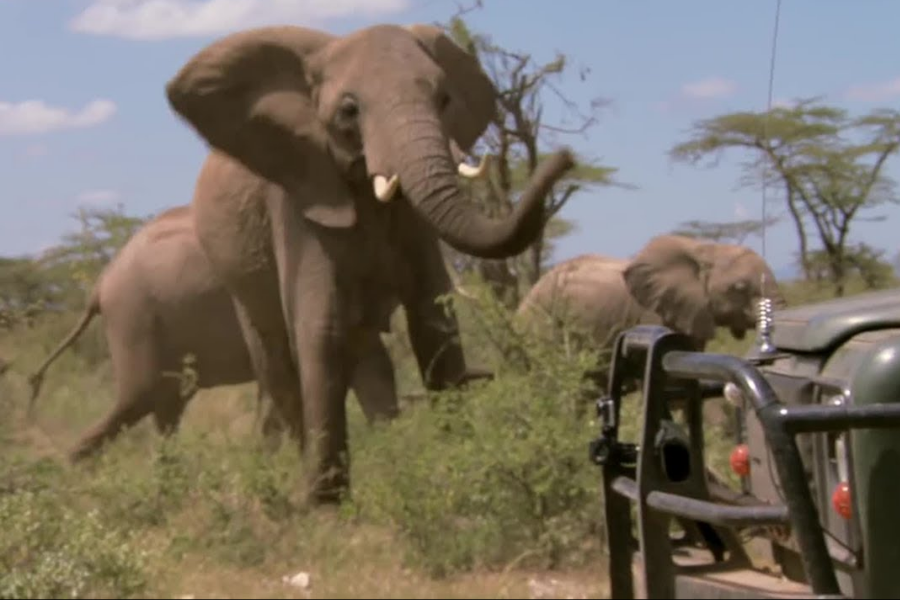
Elephants may symbolize wisdom and peace, but in reality, they’re responsible for roughly 400–500 human deaths every year, mostly in India and parts of Africa. Many victims are farmers or villagers caught between herds and crops.
Stress from habitat loss drives these giants into conflict with humans — trampling fields, flipping cars, even destroying homes. Tourists occasionally fall victim too, often from getting too close for photos.
They can go from calm to catastrophic in seconds — intelligence mixed with unstoppable rage.
37. Rhinoceros – Armored with A Horn
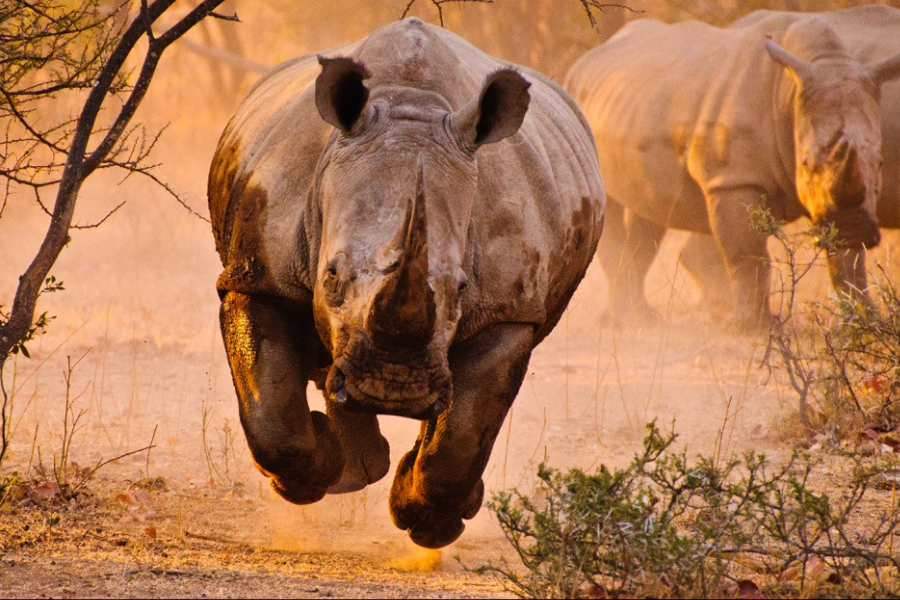
Rhinos are living tanks: thick skin, massive bodies, and a horn sharp enough to impale. Despite their size, they can charge at 30 mph.
They’re not usually predators, but they don’t need to be. A startled rhino can overturn cars, crush bones, and leave nothing standing in its way.
Conservation efforts protect them from us, but for those too close in the wild, the danger is still very real.
36. Lion – The King’s Roar

The lion may be called the “king of beasts,” but in reality, it’s not the deadliest cat. Still, a charging lion is one of the most terrifying sights in the wild.
They can sprint at incredible speed and take down prey many times their size. For humans, a lion attack often ends in tragedy.
Their danger isn’t just power — it’s pride behavior. With multiple lions hunting together, escape becomes nearly impossible.
35. Cape Buffalo – “Black Death”
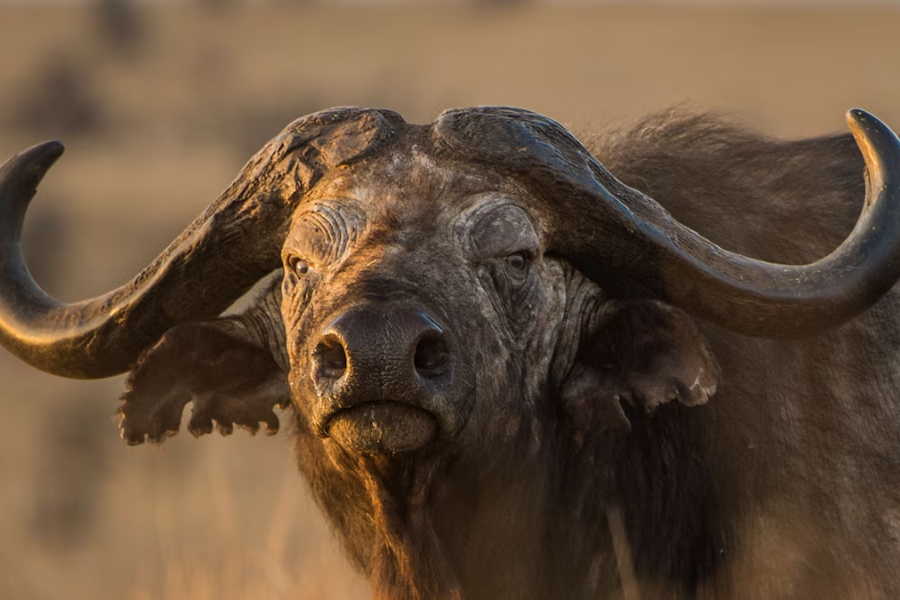
The Cape buffalo roams the savannas of sub-Saharan Africa, from Kenya’s grasslands to South Africa’s bushveld. It’s not just big; it’s deadly smart.
Widely estimated to cause around 200 human deaths per year, these animals kill more hunters than lions and elephants combined. When wounded, they may stalk their attacker, hiding and charging at full speed.
They don’t attack for food, they defend territory. And when a hundred-pound bull slams into you, there’s no room for mistakes.
34. Hippopotamus – The River Menace
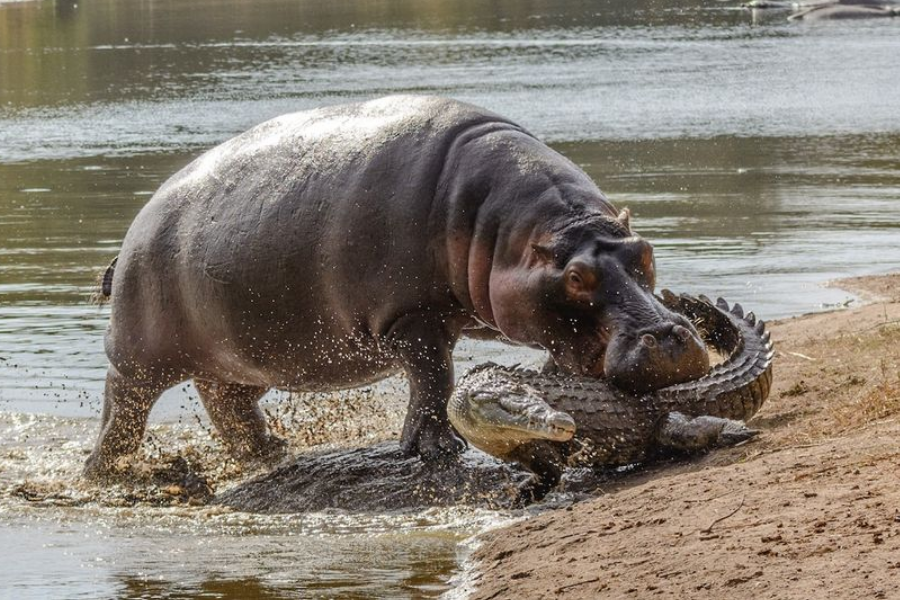
Hippos might look lazy and harmless, but they’re among the most aggressive animals in Africa. They kill more people each year than lions, rhinos, or elephants.
They defend their rivers fiercely, using jaws strong enough to snap a boat in half. Anyone between them and water is in serious danger.
It’s the contradiction that shocks people: a round, comical shape hiding one of the most lethal tempers in the animal kingdom.
33. Tiger – Striped Assassin
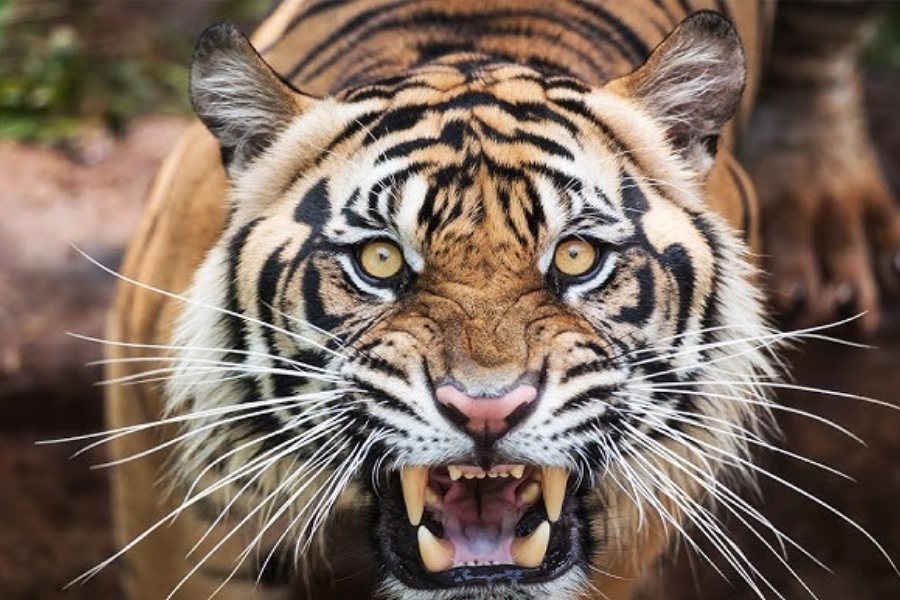
Tigers are solitary hunters, feared across Asia for good reason. In India alone, hundreds of people have been killed by tigers that turned into man-eaters after losing their natural prey.
Their jaws can crush a buffalo’s throat, and their claws can shred flesh like paper. Unlike lions, they hunt alone, relying on stealth and silence.
Majestic yet merciless, a tiger strikes without warning. Imagine standing in a jungle so still you can hear your heartbeat — and then, nothing at all.
32. Sharks – Ocean’s Top Predators
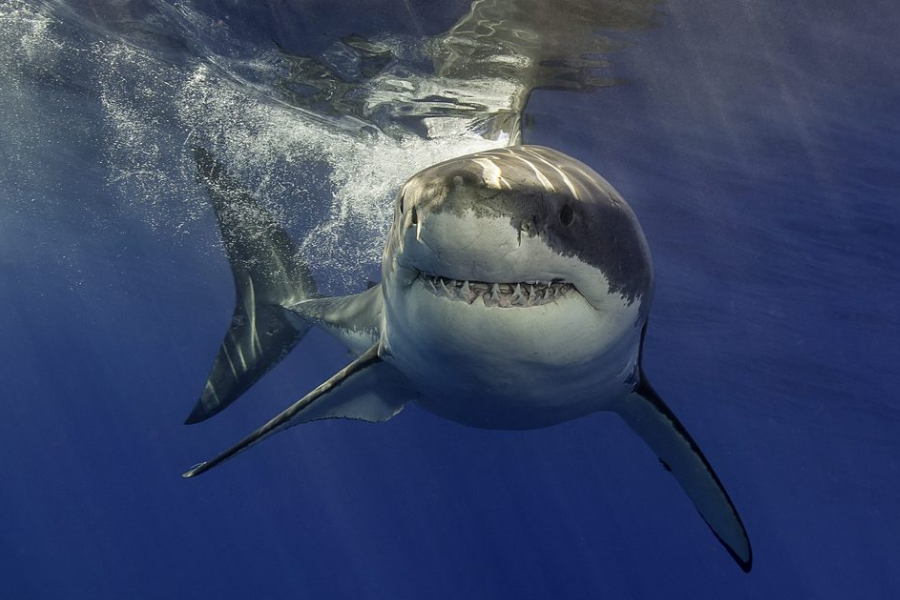
Sharks inspire more fear than almost any animal, thanks to their size and Hollywood fame. Great whites, tiger sharks, and bull sharks are the top culprits in human attacks.
In reality, attacks are rare, but when they do happen, the injuries are catastrophic. These sharks are aggressive, opportunistic, and powerful enough to tear limbs off with a single bite.
They may not kill as many people as others on this list, but they’ve earned their reputation in bloody encounters worldwide.
31. Crocodiles – River Killers
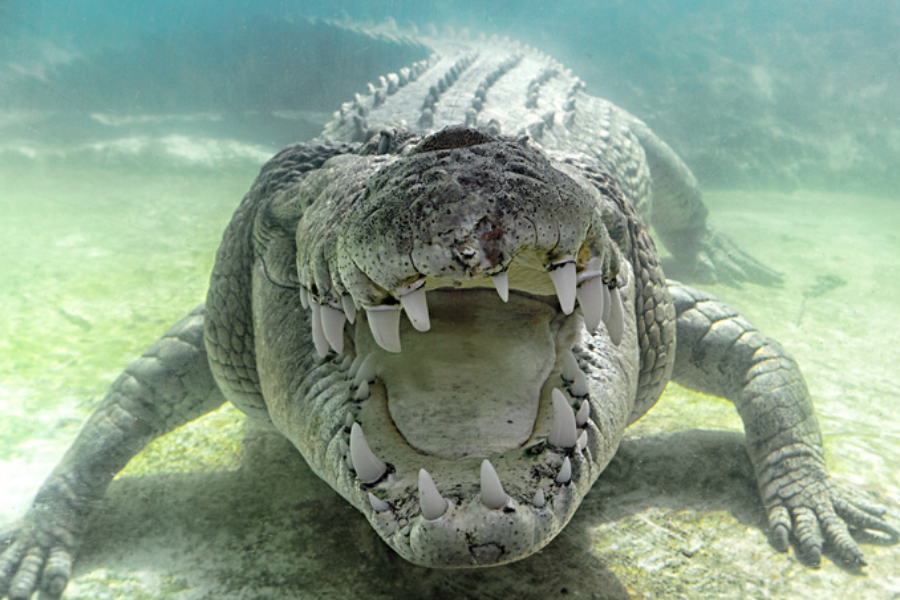
Crocodiles are living relics of prehistory, shaped by 200 million years of evolution. Nile and saltwater crocodiles together kill an estimated 1,000 people every year, mostly in Africa and Southeast Asia.
Their bite is the strongest of any animal alive, capable of crushing bone in a single snap. Once they strike, the world goes silent beneath the water.
They don’t hunt for sport. They wait — still as driftwood — at riverbanks where people wash, fish, or wade, knowing patience always feeds the hungriest.
30. Jaguar – Skull-Crushing Bite
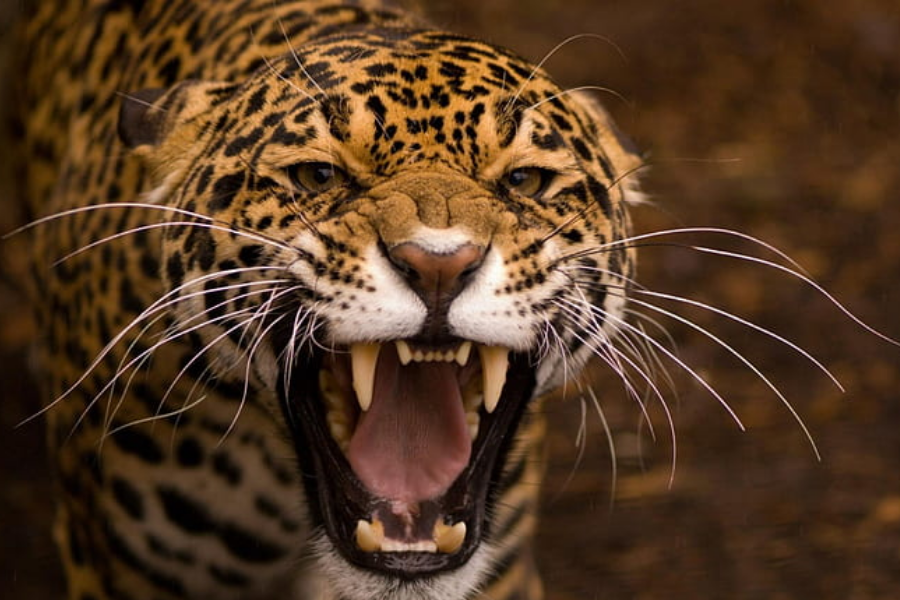
The jaguar, found across Central and South America — especially in the Amazon Basin and Pantanal wetlands — is built like a tank with fangs. Unlike most big cats, it doesn’t go for the throat; it goes straight for the skull.
They stalk silently, swimming rivers and climbing trees with ease. A jaguar’s bite can crush through turtle shells, and on rare occasions, they’ve attacked people in remote villages.
Silent, powerful, and precise — the jaguar is nature’s quiet executioner.
29. Scorpion (Deathstalker) – Desert Killer
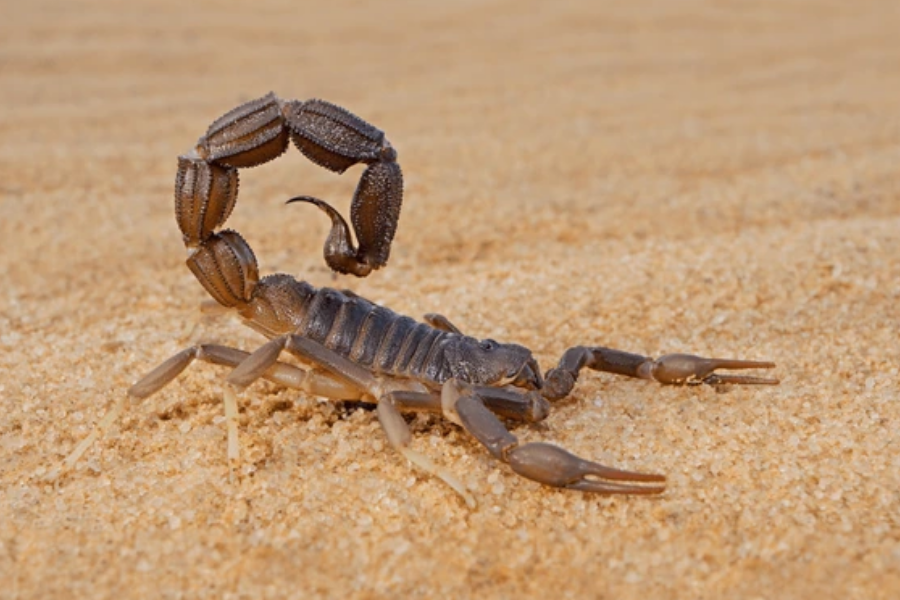
Glowing faintly under ultraviolet light, the Deathstalker prowls the deserts of North Africa and the Middle East. Barely three inches long, it delivers a sting packed with one of the world’s most powerful neurotoxins.
Each year, over 3,000 people die from scorpion stings, many from this species alone. Children and the elderly are especially vulnerable, their hearts or lungs failing before help can arrive.
It hides under rocks, shoes, and blankets, silent and patient. One careless step, and pain becomes your only language.
28. Brazilian Wandering Spider – Eight-Legged Assassins
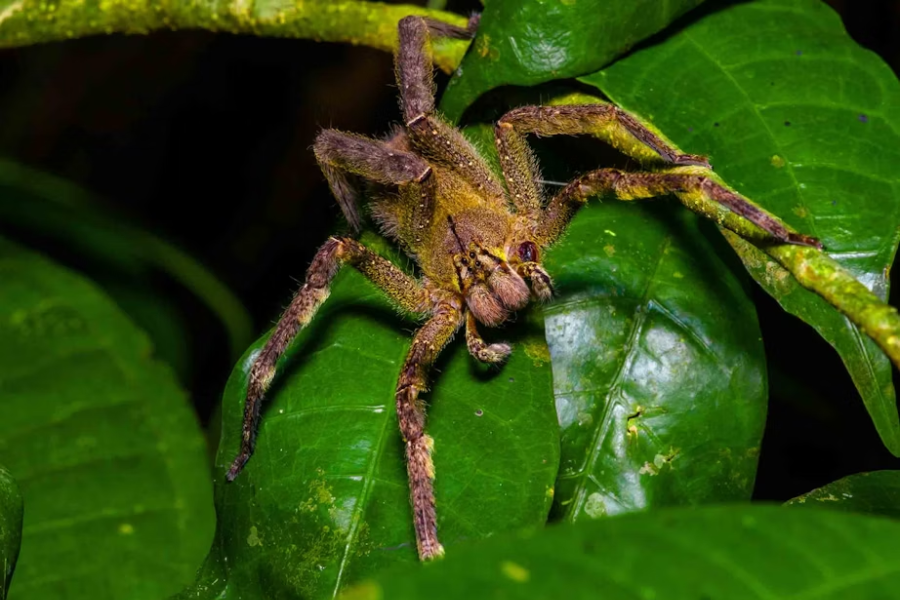
Forget webs — this spider hunts on foot. Found in Brazil and across the Amazon Basin, the Brazilian wandering spider is the most venomous arachnid on Earth. Its bite can paralyze the body and stop breathing within hours if untreated.
It doesn’t wait in corners. It roams at night, slipping into shoes, fruit crates, or clothing; striking when startled.
One bite brings unbearable pain and a race against time. You don’t see it coming, and that’s what makes it terrifying.
27. Stonefish – Master of Disguise
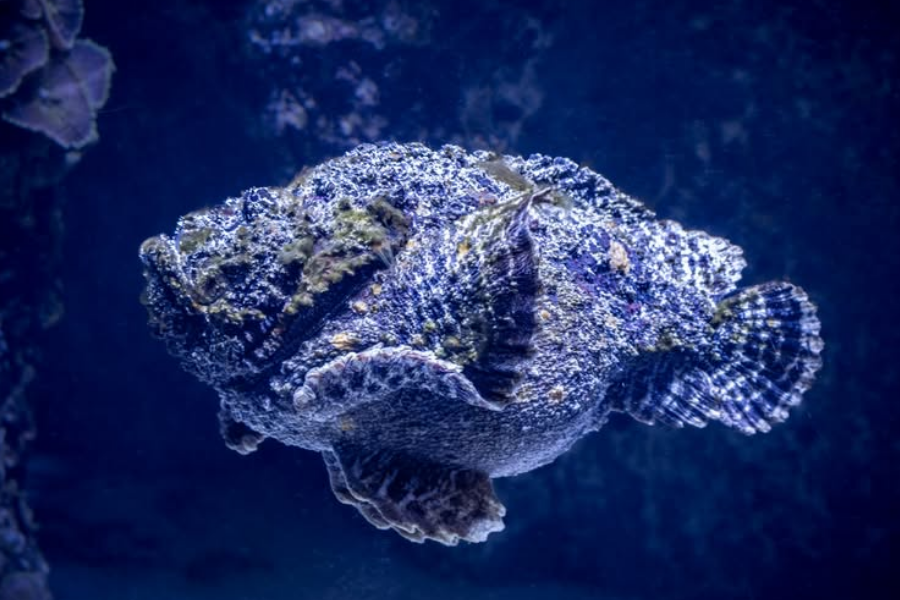
The stonefish is nature’s cruelest illusion — a venomous predator disguised as a rock. Found across the Indo-Pacific and Australian coasts, it blends perfectly into coral reefs and sandy shallows, waiting for an unlucky step.
Its dorsal spines inject verrucotoxin, one of the most potent venoms in the sea, causing blinding pain and even cardiac arrest within minutes. Divers call it “the pain that makes you beg for amputation.”
Worse still, it can survive out of water for nearly 24 hours — a rock with a pulse, waiting.
26. Cone Snail – “Cigarette Snail”
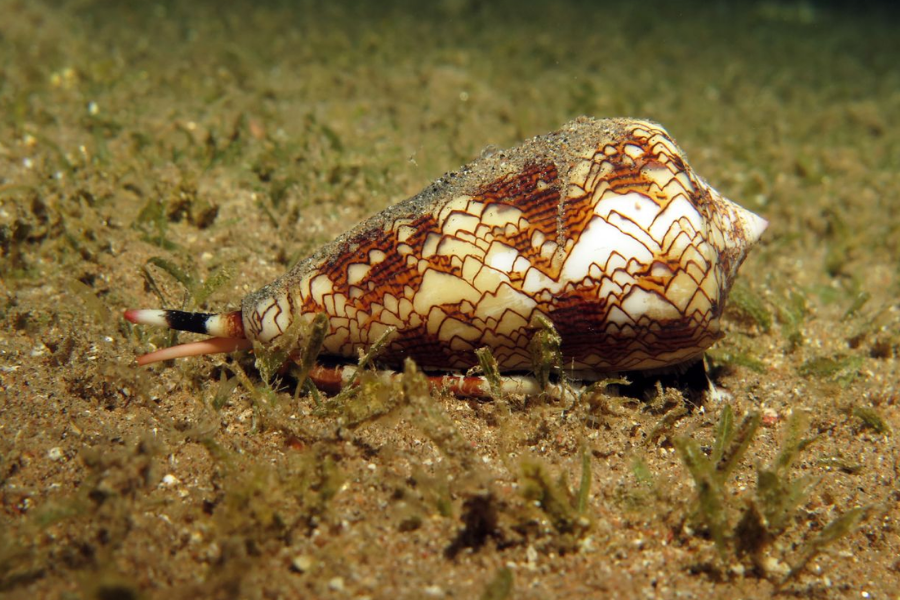
Found in warm tropical waters from the Indian Ocean to the Pacific — especially near the Philippines and Australia — the cone snail is as deadly as it is beautiful. Its patterned shell hides a living weapon.
When threatened, it shoots a microscopic harpoon tipped with venom powerful enough to paralyze instantly. There’s no antivenom, and victims often stop breathing within hours.
Collectors beware: that “souvenir” on the seafloor could deliver your last and most fatal sting.
25. Blue-Ringed Octopus – Tiny But Lethal
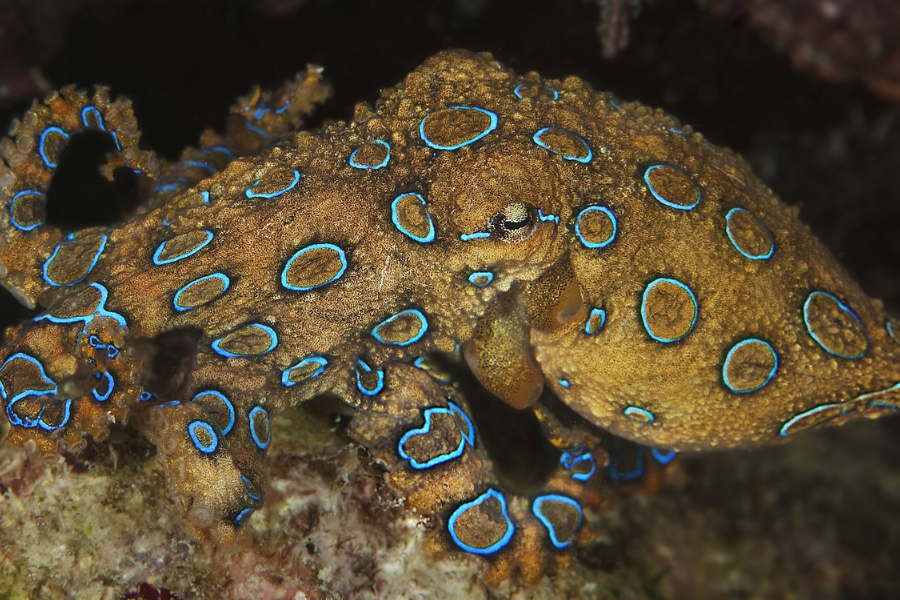
We’ve reached the halfway mark, and from here on out, the killers get quieter, smarter, and deadlier. Barely the size of a golf ball, the blue-ringed octopus hides among coral and tide pools across Australia, Japan, and the Philippines. Its glowing rings may be hypnotic, but they flash only when it’s ready to kill.
Its venom, 1,000 times stronger than cyanide, can stop breathing in minutes — enough to kill 26 adults with a single bite. Victims often stay conscious, trapped inside their own bodies.
It doesn’t roar or chase. It waits, it warns, and then it ends you in silence.
24. Pufferfish – Deadly Delicacy
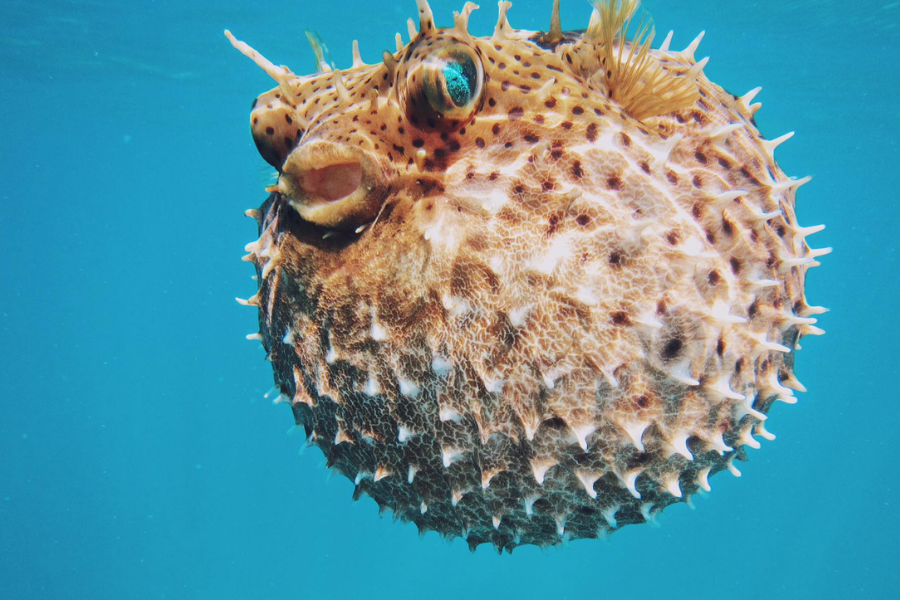
It’s soft, round, and deceptively adorable — yet the pufferfish holds enough poison to end dozens of lives. Inside its organs lies tetrodotoxin, a neurotoxin so potent that just a few milligrams can stop a human heart within minutes.
In Japan, chefs spend years mastering the art of preparing fugu, the world’s most dangerous meal, where one wrong cut can turn dinner into disaster.
The ocean isn’t where this killer strikes — it’s in kitchens, waiting behind the sharp edge of a knife.
23. Irukandji Jellyfish – Invisible Pain
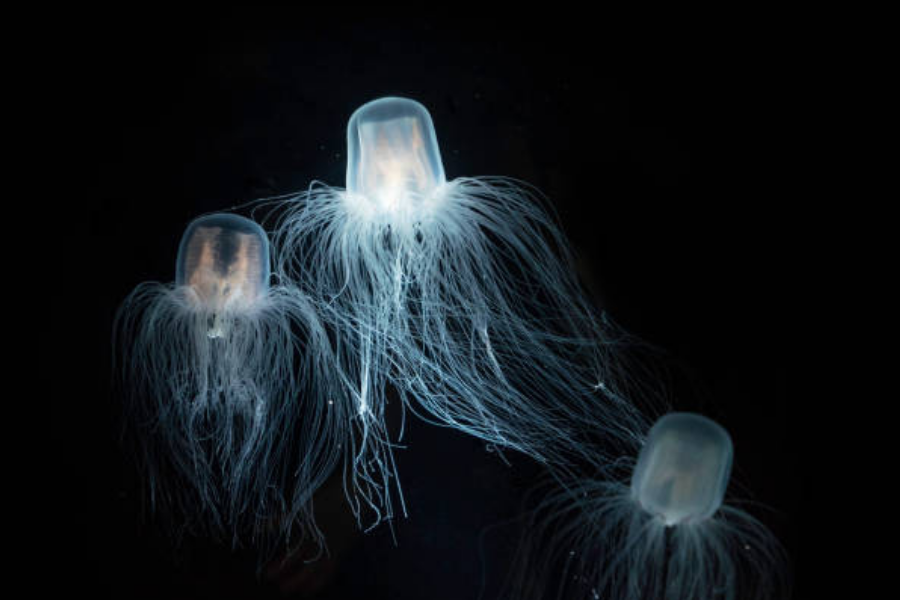
Smaller than your fingernail, the Irukandji jellyfish is almost impossible to see in the water. But its sting? Unforgettable.
It causes waves of agony, high blood pressure, and even heart failure. It kills not by force, but by shutting your body down from the inside. Survivors describe the pain as so severe they begged to die.
You may never notice one until it’s too late. Sometimes, the smallest threats are the cruelest.
22. Inland Taipan – The Fierce Snake
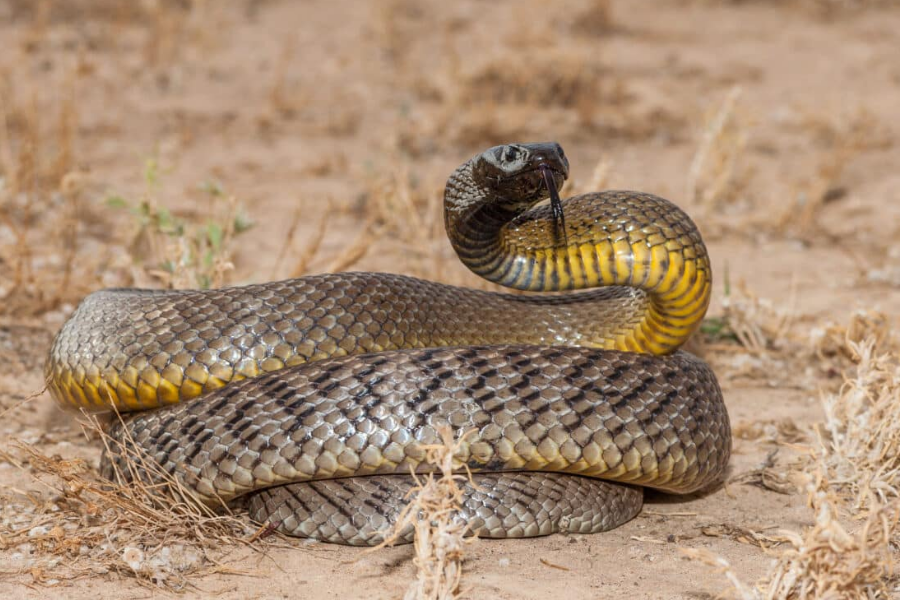
The Inland Taipan doesn’t chase headlines like cobras or mambas, but it quietly holds the crown: the most venomous snake alive. A single bite could kill dozens of people.
Thankfully, this snake is shy and rarely seen, hiding in Australia’s deserts. It prefers to avoid humans entirely.
But knowing something that deadly exists is unsettling. It doesn’t roar or threaten. It just waits, patient and silent, carrying the deadliest venom nature ever made.
21. Golden Poison Frog – Beauty with A Deadly Touch
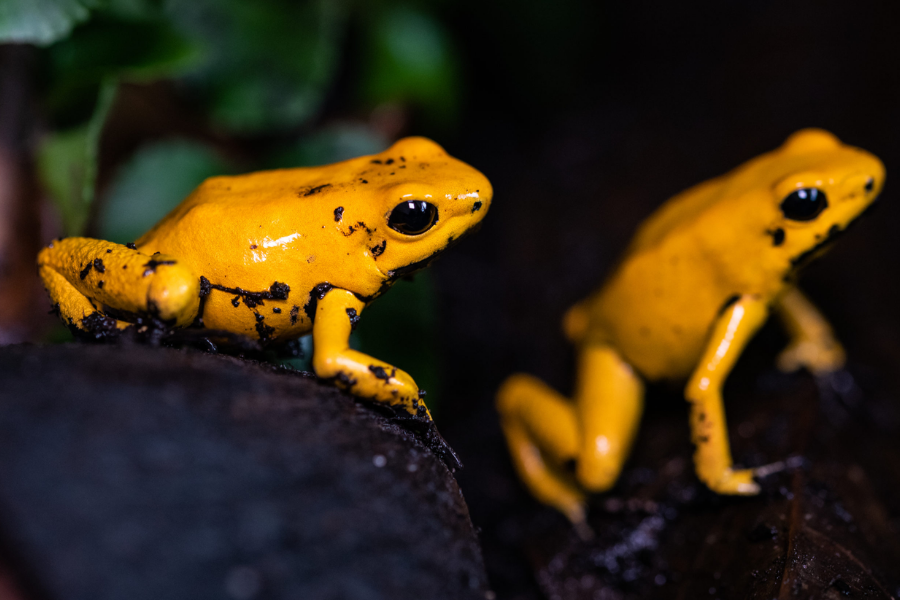
This tiny frog’s skin contains enough toxin to kill ten men. Indigenous hunters once used it to coat their darts, turning nature’s beauty into a weapon.
It doesn’t need to bite or sting — just touching it can be fatal. Its bright colors are a warning, not decoration.
The most dangerous part? It looks harmless, small enough to sit in your palm. Sometimes death comes in the brightest package.
20. Box Jellyfish – Ocean’s Ghost
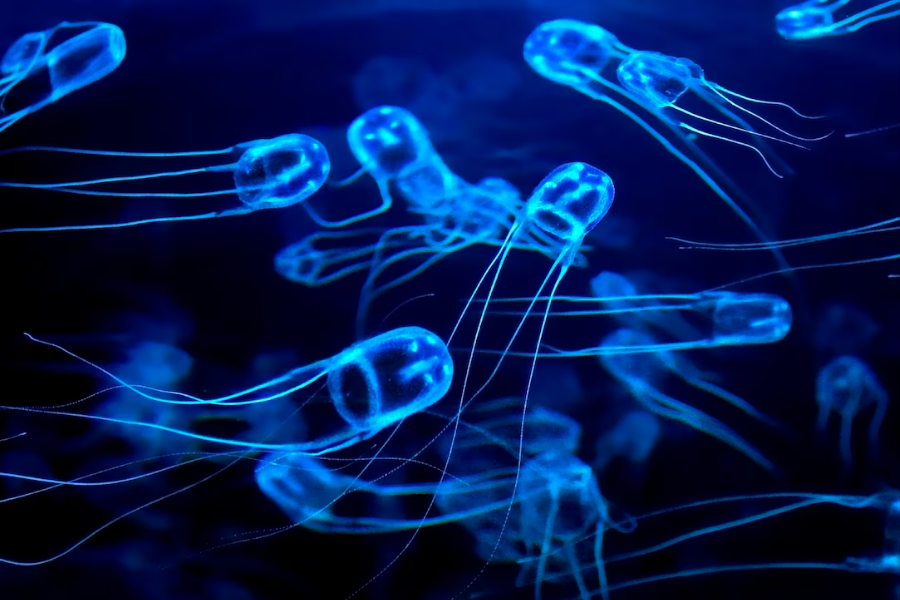
The box jellyfish is one of the most venomous creatures alive. Its tentacles can kill a human in minutes.
The venom attacks the heart and nervous system, sometimes before a swimmer even makes it to shore. Many drown before help arrives.
Graceful, transparent, and deadly, it floats silently in warm seas — a reminder that beauty in nature often comes with a price.
19. Black Mamba – Africa’s Nightmare

Fast, sleek, and feared above all other snakes, the black mamba is pure dread in motion. It can slither at 12 mph and strike repeatedly, injecting venom with each hit.
Its bite is called the “kiss of death” for a reason: two drops of venom can kill an adult in less than 10 hours. Victims often collapse before help arrives.
It’s not the most venomous snake, but its aggression and speed make it the stuff of nightmares. Few animals inspire such immediate terror.
18. King Cobra – Ruler of Snakes
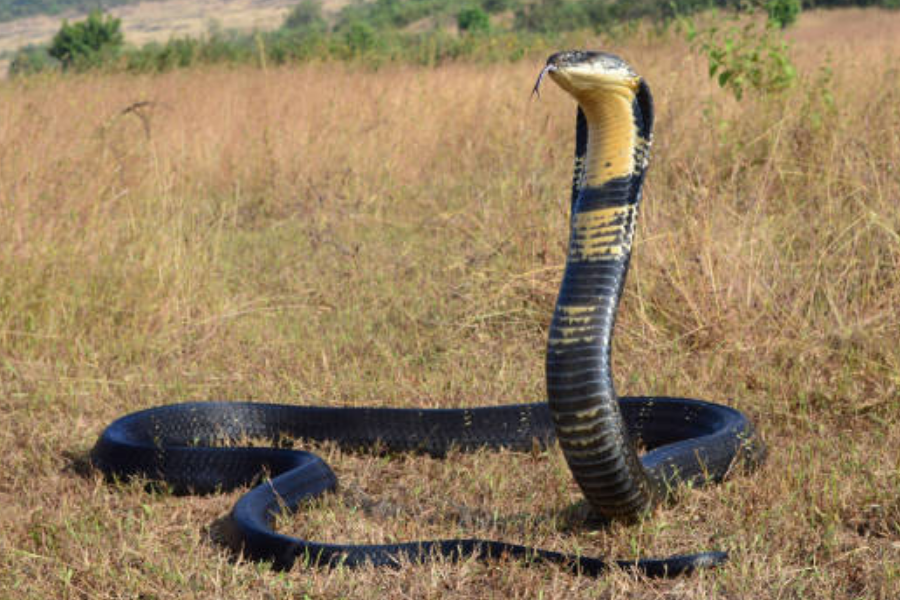
Stretching up to 18 feet, the king cobra isn’t just long — it’s legendary. Found across India and Southeast Asia, this serpent’s venom is powerful enough to kill an elephant or 20 grown men in a single strike.
Each year, king cobras are linked to hundreds of human deaths, especially in rural Asia, where encounters are unavoidable. Farmers and snake charmers know the rule: give it space or pay the price.
It’s worshiped, feared, and respected across Asia. When the “king” raises up taller than a human, you understand instantly why it rules.
17. Saw-Scaled Viper – Small but Deadly
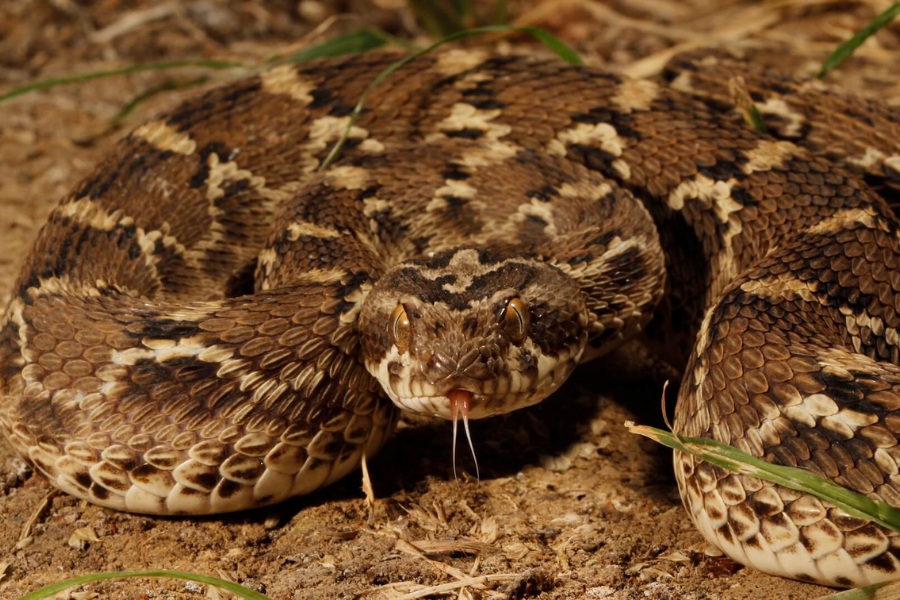
This viper isn’t large, but it’s responsible for more human deaths than almost any other snake.
Its scales rasp together, producing a chilling “sawing” sound before it strikes. The venom causes massive internal bleeding, and antivenom isn’t always effective.
It thrives near villages, which means encounters are tragically common. Sometimes the deadliest things are small, fast, and everywhere.
16. Tsetse Fly – The Sleeper’s Curse
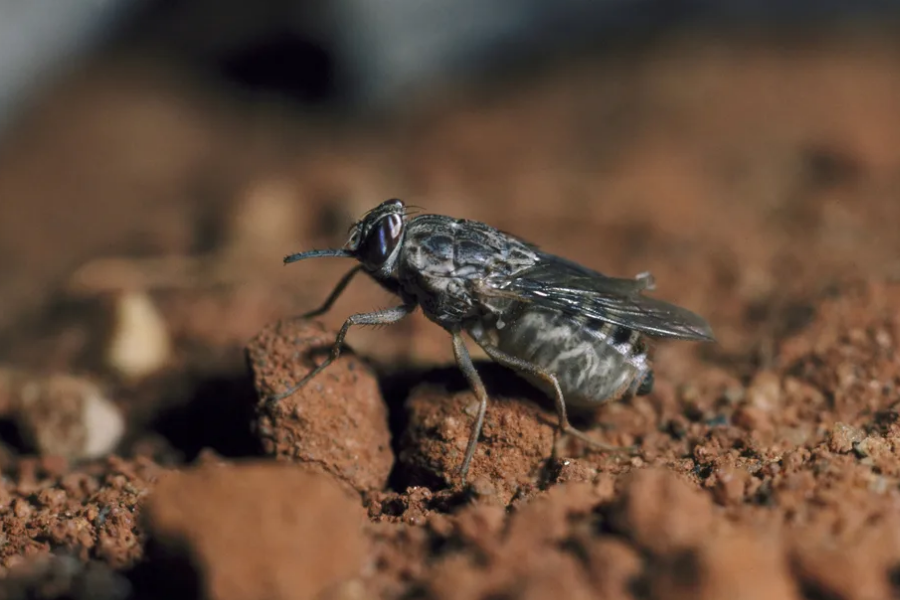
It looks harmless, isn’t it? Just another fly in Sub-Saharan Africa, but the tsetse carries parasites that cause sleeping sickness, or human African trypanosomiasis. In 2015, the disease caused around 3,500 deaths globally.
Left untreated, the infection invades the brain, inducing confusion, coma, and ultimately death. Outbreaks still flare in remote regions where care is scarce.
It doesn’t kill with fang or claw. It kills through betrayal — a single bite in the brush could lock your body in silence.
15. Polar Bear – The Arctic Stalker
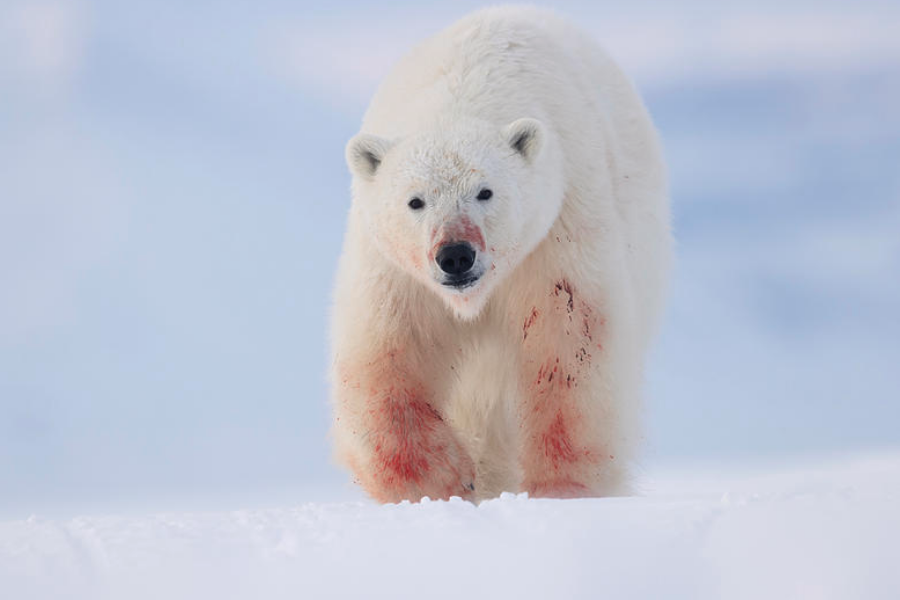
The polar bear isn’t cute — it’s calculating. Between 1870 and 2014, researchers recorded 73 attacks by wild polar bears, resulting in 20 human fatalities across the circumpolar regions.
Most attacks occur in remote Arctic areas — hunting camps, drifting ice, or isolated villages. In 2023, for example, a bear pursued residents in Wales, Alaska, killing a woman and her infant son.
They don’t stalk like wolves or chase like big cats. They drift in the white void, invisible until they strike. Every crack in the ice, every lonely stretch of tundra might be their domain.
14. Black Widow Spider – The Velvet Executioner
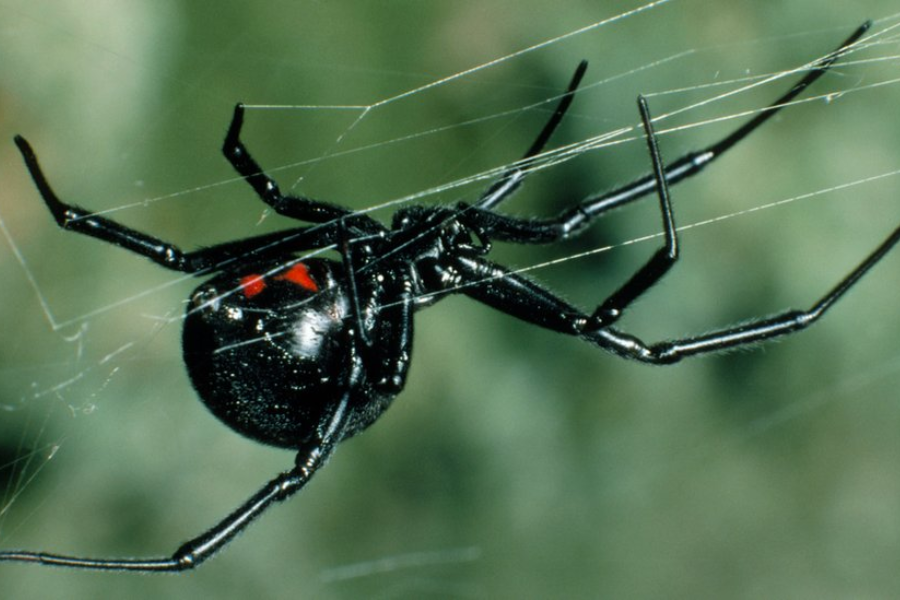
She hangs in the dark, small and still, her glossy black body marked by a blood-red hourglass — a warning shaped like time running out. Found across North America, Europe, and Australia, the black widow is one of the most feared spiders on Earth.
Her venom is 15 times stronger than a rattlesnake’s, a neurotoxin that locks muscles, crushes nerves, and sends waves of agony through the body. Even survivors describe it as torture.
She doesn’t chase. She waits. And in her web, patience is the sharpest weapon of all.
13. Worms – Killers from Within
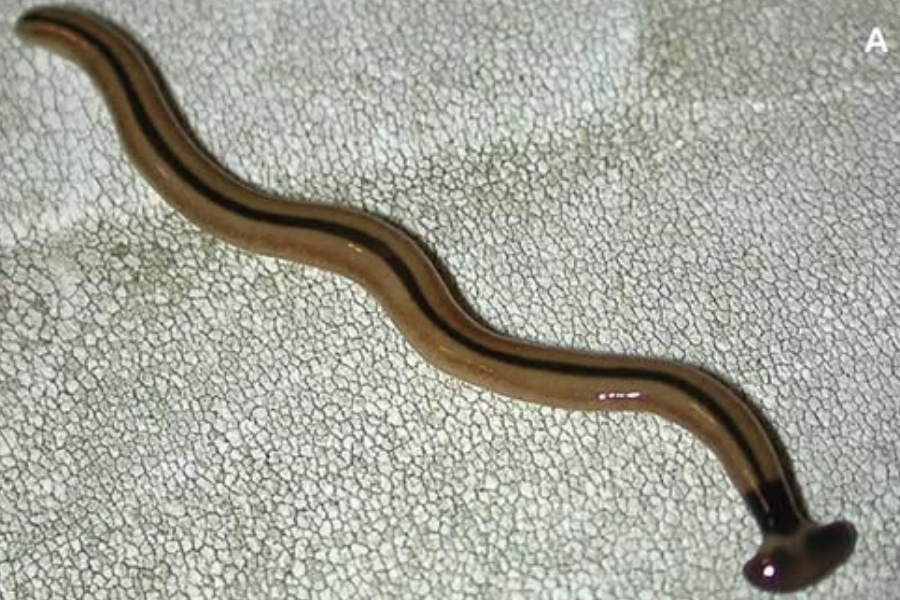
Tapeworms, roundworms, and related helminths live inside us, often unnoticed — yet their toll is enormous. Soil-transmitted helminthiasis alone is estimated to cause around 135,000 deaths annually worldwide.
Some worm infections are subtler killers: cysticercosis, a tapeworm disease affecting the brain, causes thousands of deaths each year.
These worms don’t hunt, they colonize. Infected food, water, or soil gives them entry, then they slowly ravage organs from the inside. The deadliest animals are often those you never see.
12. Bullet Ants – Tiny Soldiers of Agony
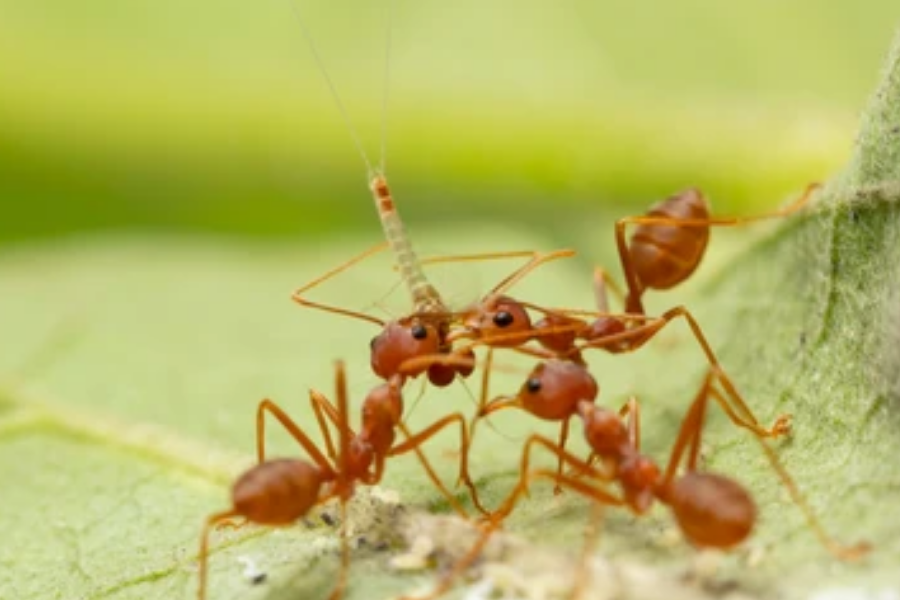
Not all ants are harmless. Deep in South America’s rainforests lives the bullet ant, whose sting is described as “being shot with a bullet.”
It causes hours of searing pain — victims shake, scream, and sometimes hallucinate. They attack in swarms of thousands, covering skin in burning stings that can trigger fatal allergic reactions.
They don’t roar, hiss, or bite chunks of flesh — they just overwhelm you, one fiery sting at a time.
11. Bees – Stings With Consequences
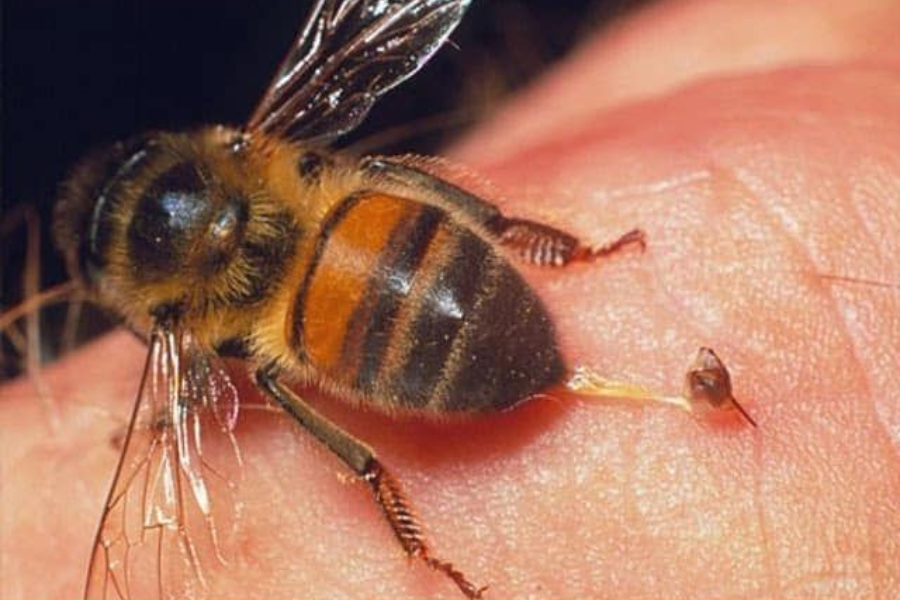
They pollinate the world, make honey, and seem harmless — yet bee stings still claim lives. In the U.S. alone, between 2011 and 2021, there were 788 deaths from bee stings alone.
Worldwide, tracking is patchy, but many experts believe hundreds more die annually; especially in areas without rapid medical care. The fatality is rarely the sting itself, but the allergic reaction that follows.
Disturb a hive, and you risk a swarm — dozens may strike, creating a medical nightmare in minutes. Even beauty can turn brutally wicked.
10. Lionfish – Spines Of Poison
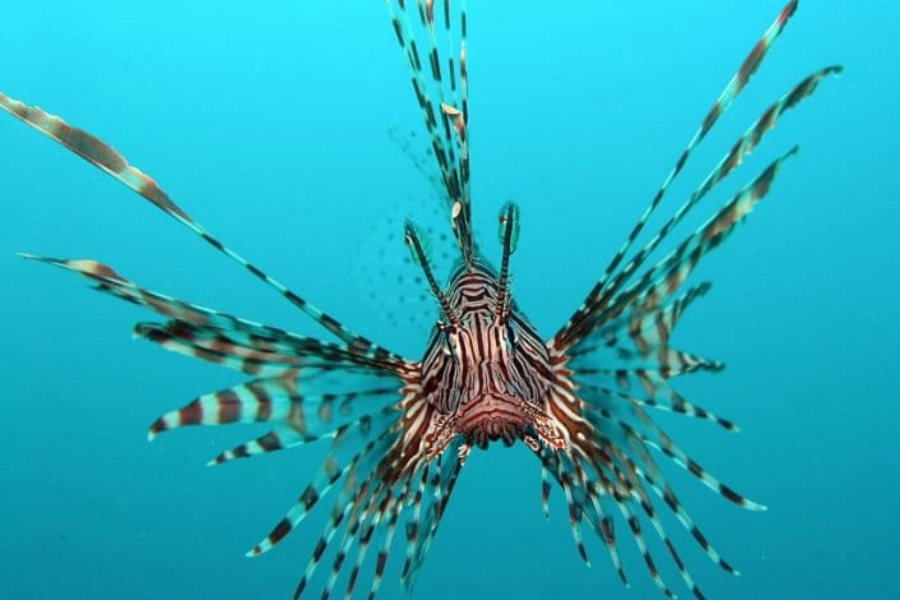
We’ve entered the top 10; where danger takes on beauty’s disguise. The lionfish, graceful and hypnotic, drifts through coral reefs like living art — until someone gets too close.
Each of its 18 spines carries venom potent enough to paralyze a limb and send shockwaves of pain through the body. Hundreds of stings are reported every year among divers and aquarium handlers.
Victims describe agony so fierce they lose consciousness, and in rare cases, complications like respiratory failure can turn deadly. It doesn’t chase or roar. It just waits — beautiful, still, and armed like a sea-born assassin.
9. Cassowary – The Murderer Bird
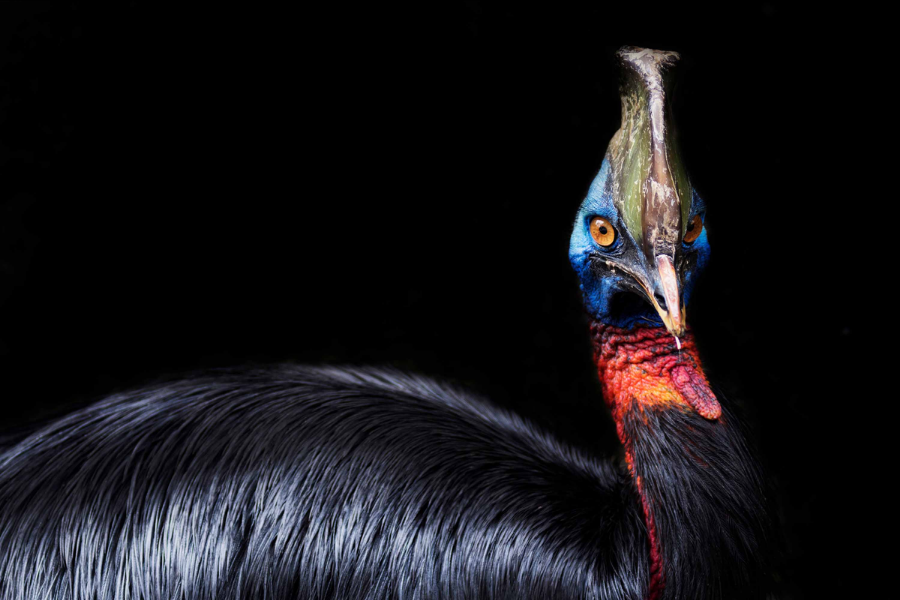
It looks like a bird from the age of dinosaurs, and that’s exactly what it is. With legs like sledgehammers and claws like knives, the cassowary doesn’t run — it charges.
Its claw can open a man from belly to chest in a single kick. Farmers in Australia and even zookeepers have fallen to this bird’s fury.
They may look exotic, even comical, but underestimate them and you’ll realize: birds aren’t supposed to be this deadly.
8. Honey Badger – Nature’s Lunatic
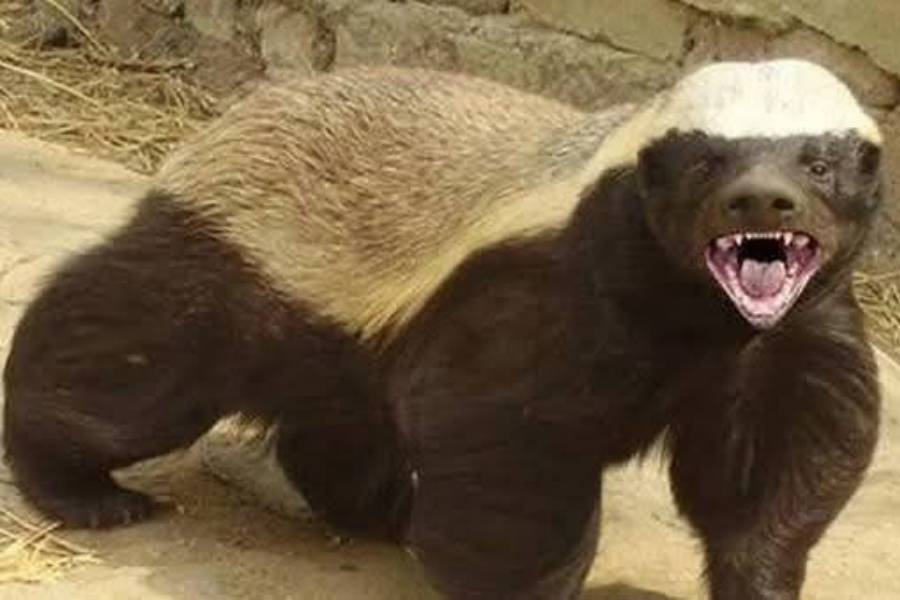
Small, scrappy, and utterly fearless, the honey badger has earned its title as the world’s toughest animal. It shrugs off venom, breaks into beehives, and fights lions for fun.
What makes them dangerous isn’t size, but attitude. They don’t stop. They don’t back down. Even snakes with the deadliest venom have fallen to their relentless jaws.
You can cage them, but they’ll escape. You can scare them, but they’ll come back. Honey badgers don’t care — and that’s the danger.
7. Dogs – Man’s Best… Killer?
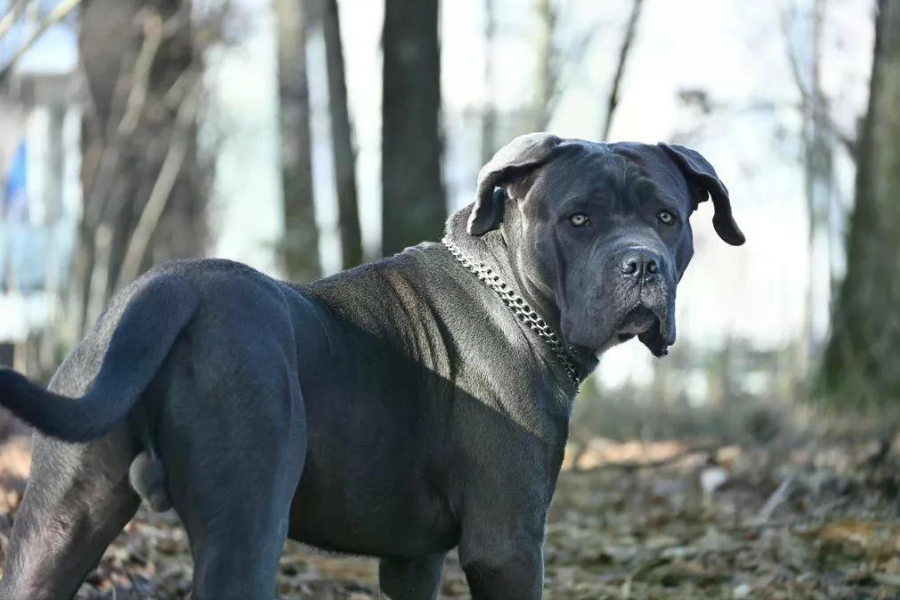
They’re loyal, loving, and part of our homes — yet dogs are responsible for nearly 59,000 deaths a year, mostly from rabies. One bite from an infected dog can turn a moment of affection into tragedy.
In regions without access to vaccines, especially in Asia and Africa, a dog bite often means a slow, certain death. It’s not hatred — it’s heartbreak born of closeness.
The cruel truth? The creature we trust most is also the one that kills us most often.
6. Giant Centipede – Nightmare with Legs
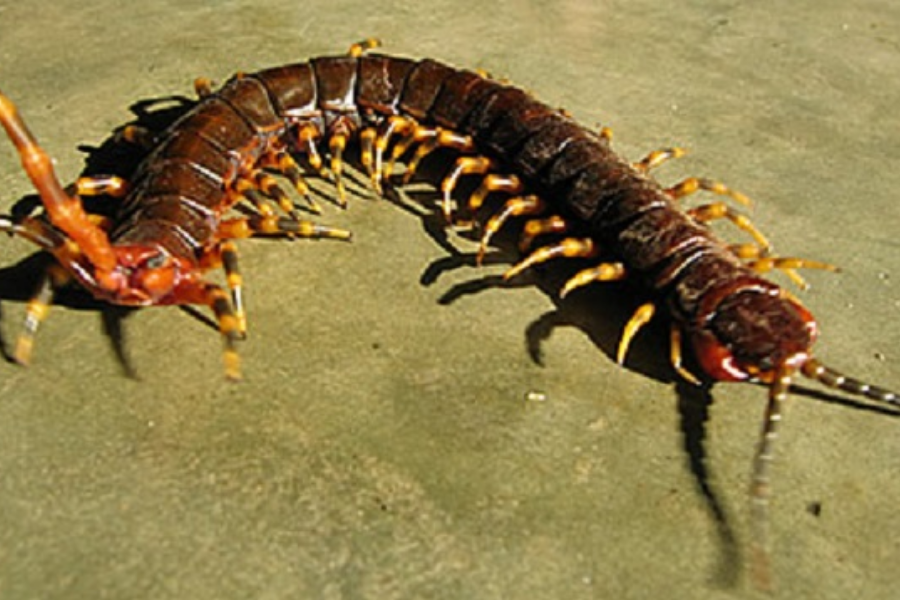
Not the one hiding under your shoes, this is the predator that hunts bats in caves and scales walls to strike midair. In South America, the giant centipede Scolopendra gigantea can stretch over 10 inches and subdue vertebrates with venom.
Human deaths are vanishingly rare, but one confirmed fatality involved a 4-year-old Venezuelan child bitten inside a soda can. Still feel safe?
Knowing its fangs hover in dark places; crawling, silent, waiting, is enough to send chills down your spine.
5. Golden Eagle – The Sky Assassin
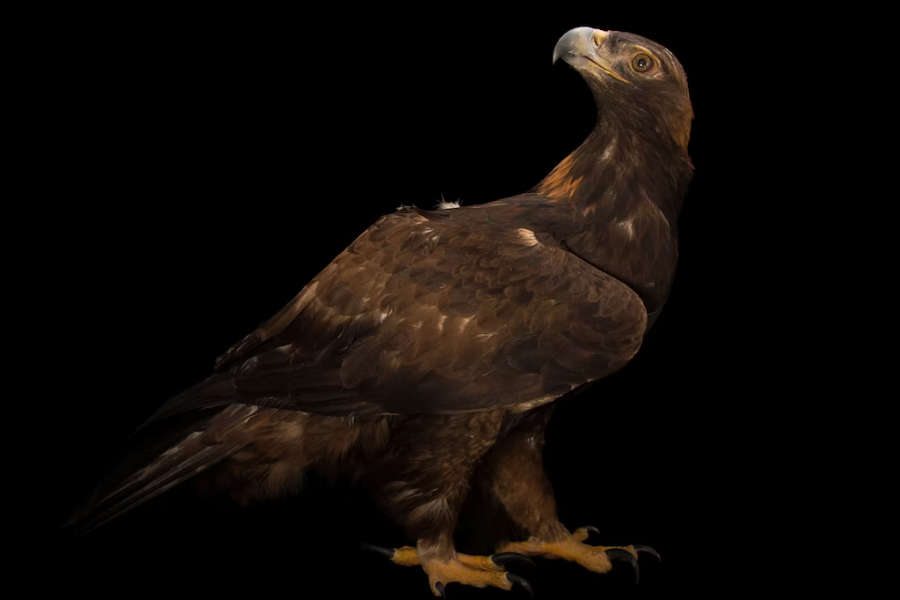
Graceful and commanding, the golden eagle rules the skies across North America, Europe, and Central Asia. To shepherds and farmers, though, it’s less a symbol of freedom and more a flash of fear.
These raptors dive at over 150 mph, talons hitting with the force of knives. They’ve taken down wolves, deer, and, according to old records from Kazakhstan and Mongolia, even small children.
When the ground trembles beneath a shadow, look up — sometimes, death doesn’t stalk you. It soars.
4. Deer – The Gentle Killer
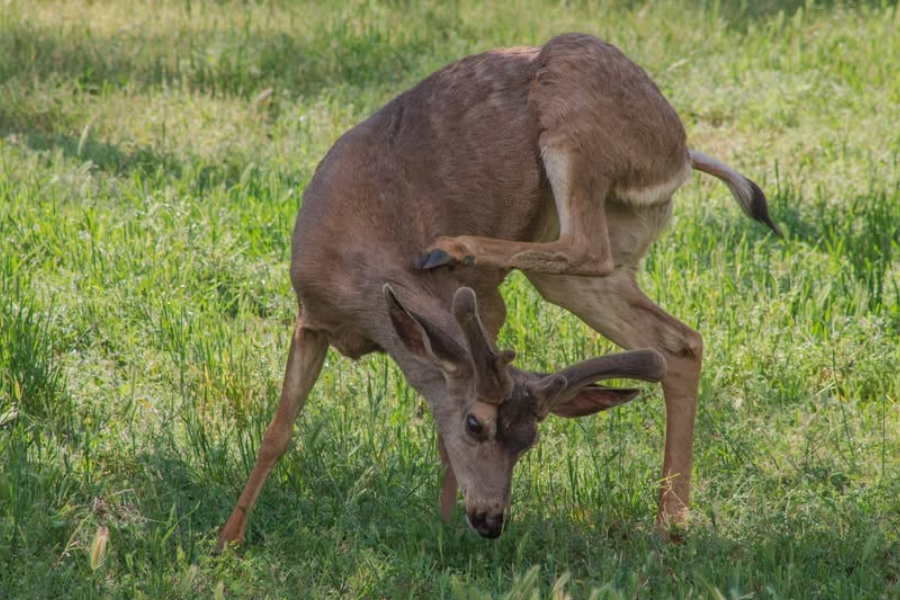
It might sound hard to believe, but deer cause more human deaths each year than most predators ever will — not by attacking, but by colliding.
Across North America and parts of Europe, over 1.5 million car crashes involve deer annually, leading to hundreds of fatalities. The danger comes not from fangs or hooves, but from a startled leap across dark roads.
We picture them as gentle forest dwellers, but one panicked moment can turn grace into disaster.
3. Box Elder Tick – The Parasite That Waits
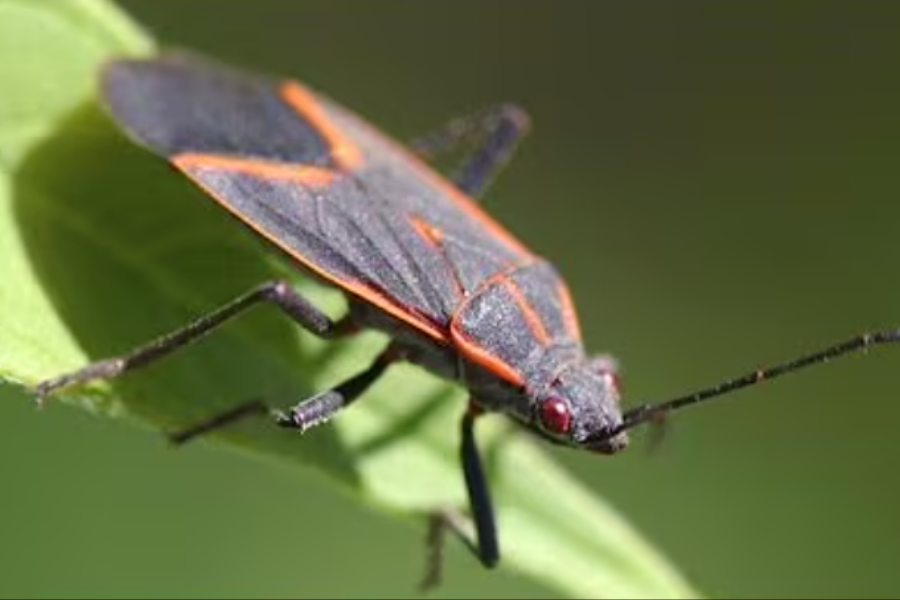
Tiny and nearly invisible, ticks carry a lethal secret. In the United States alone, tick-borne diseases cause dozens of deaths annually, with cases of Powassan virus—a tick-borne infection—having a fatality rate of ~15% among severe cases.
They don’t hunt. They wait patiently in grass, detaching only when a host brushes past. Some tick bites lead to Lyme disease, which rarely kills directly, but complications like heart or neurological damage can be fatal.
You might dismiss the itch, but the real damage begins long after. One small bite can open the door to a silent, deadly spiral.
2. Freshwater Snail – The Parasite Carrier
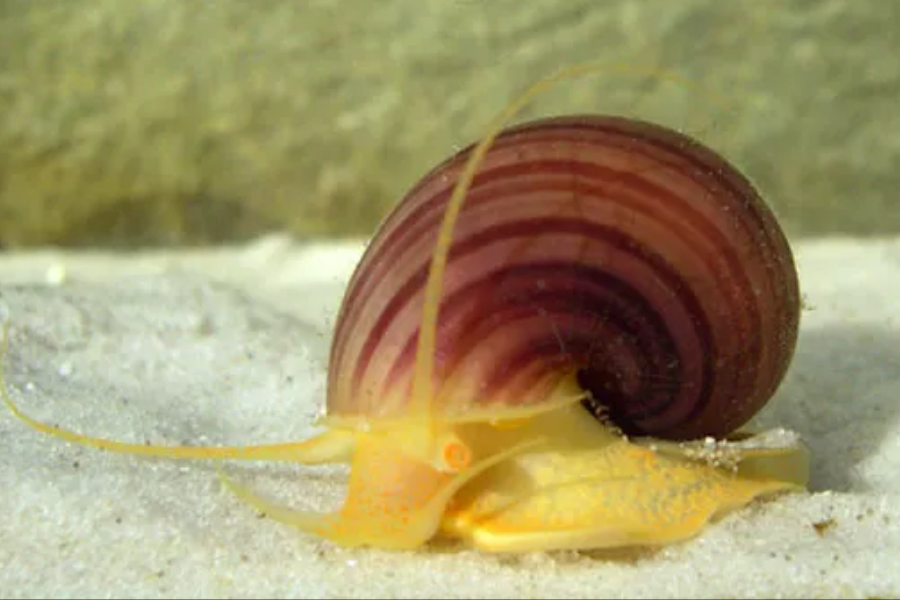
It moves slow, looks harmless, and hides in plain sight — yet the freshwater snail carries one of humanity’s oldest and deadliest diseases. Hosting parasites that cause schistosomiasis, it silently infects over 200 million people each year and kills more than 200,000.
The danger begins the moment you step into infected water. The parasites slip through skin unnoticed, nesting in organs for years before destroying them from within.
You’d never fear a snail — but the silent killers always have company. And the one waiting next will make your skin crawl.
1. Mosquito – The Silent Executioner
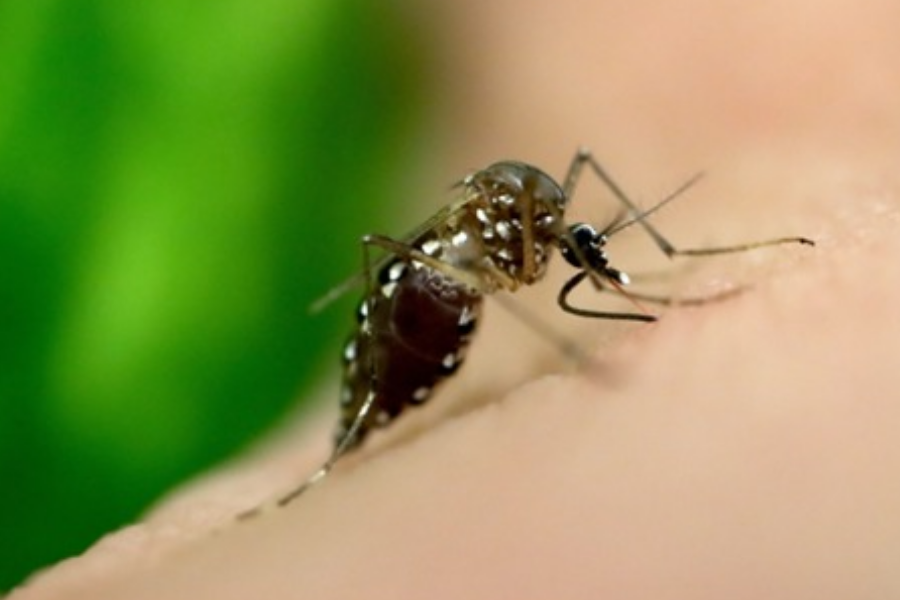
Finally, at number one… the smallest, quietest killer on Earth. No claws, no fangs, no roar — just a whisper in the dark. Yet, mosquitoes end more lives each year than every predator on this list combined.
They don’t kill out of rage or hunger, but by design — spreading malaria, dengue, Zika, and more, claiming over 700,000 lives annually. One bite, one drop of blood, and the countdown begins.
Lions hunt for survival. Mosquitoes hunt without mercy. The world’s deadliest predator doesn’t stalk you… it waits for you to sleep.
