

Drew Barrymore’s life has been nothing short of cinematic—a child star thrust into fame before she could spell it, spiraling into addiction while most kids her age were in middle school. Raised by a mother more like a party companion than a parent, Drew’s early years were chaotic and heartbreaking. But somewhere between the clubs and the comebacks, she rebuilt herself. This is a story of growth, healing, and above all, resilience.
The Woman Who Lights Up Every Room
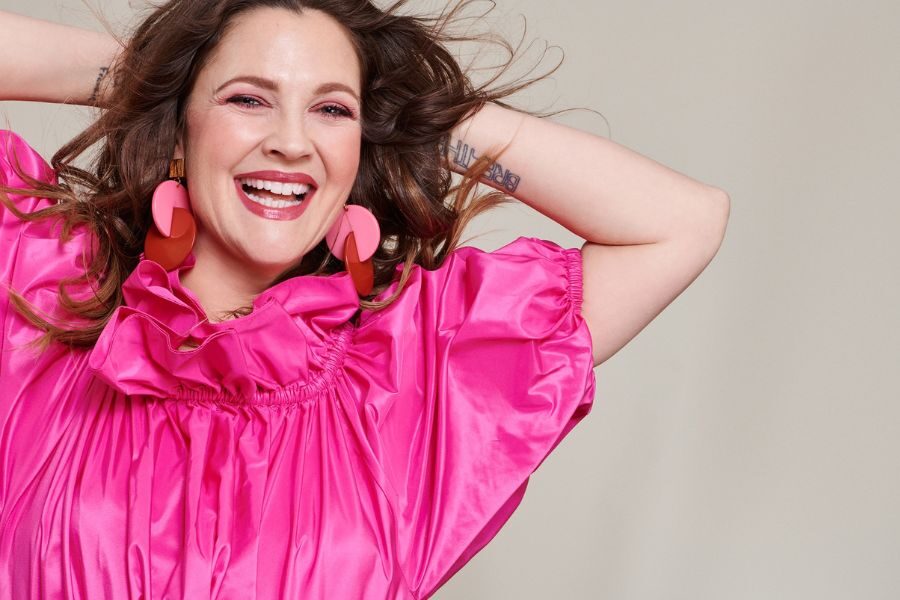
We all know Drew Barrymore—today, she’s a beloved actress, talk show host, and writer whose radiant charm lights up every room she enters.
With hits like E.T., Never Been Kissed, Charlie’s Angels, and 50 First Dates, Drew has become one of Hollywood’s most recognizable, heartwarming, and enduring faces across generations.
But behind that sunny smile lies a past few could imagine. Before the fame felt effortless, Drew endured darkness that nearly dimmed her light forever.
Born for the Spotlight
Drew Blythe Barrymore was born on February 22, 1975, in Culver City, California, to actor John Drew Barrymore and aspiring actress Jaid Barrymore, heirs of Hollywood royalty.
Her mother, born Ildikó Jaid Makó to Hungarian refugees, was determined to see her daughter achieve the stardom she never reached herself. She started taking Drew to auditions as soon as she was born.
Drew quickly proved she had inherited her family’s gift for performing – landing her first TV ad at just eleven months. Sadly, she would also come to share their darker impulses far too soon.
Surrounded by Stars
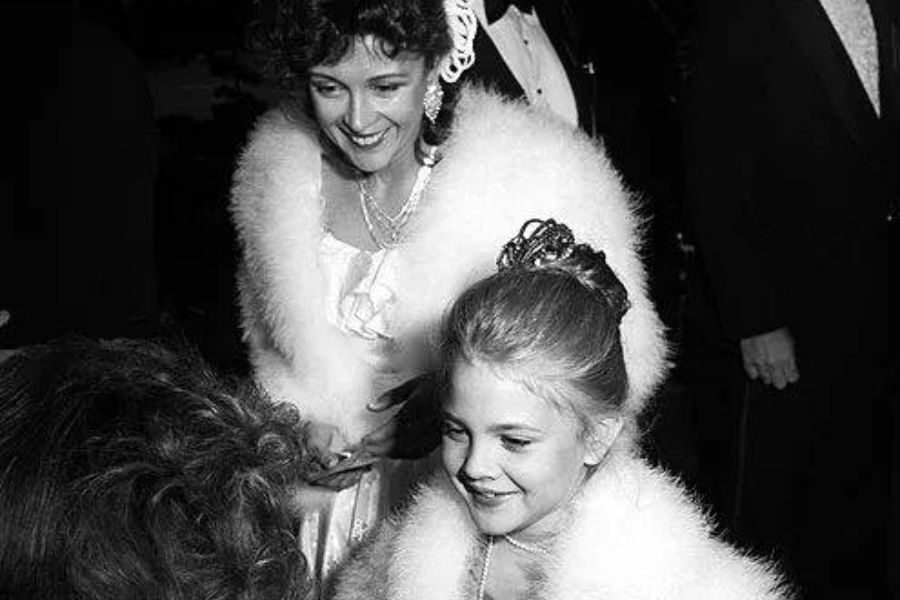
From the moment she arrived, Drew was wrapped in Hollywood legacy. Her family wasn’t just part of show business—they helped build its very foundation.
Her grandfather, the great John Barrymore, was once hailed as the finest actor of his generation, while her godparents—Sophia Loren and Steven Spielberg—kept her close to the industry’s brightest lights.
Drew’s world shimmered with fame and history, yet behind the glamour and familiar faces, her childhood was far from charmed.
A Childhood in Chaos
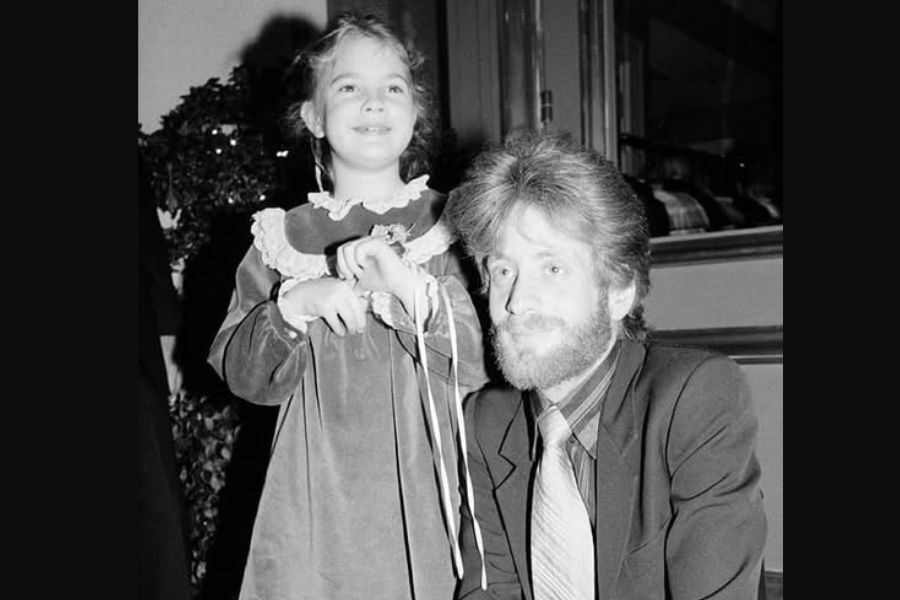
From the very first start, Drew’s childhood was turbulent and marked by instability and moments of violence that no child should ever have to witness.
In her memoir Little Girl Lost, she recalls her father’s rage—how, at just three years old, he stormed in and threw her against a wall.
Her mother, who had taken on the role of manager rather than parent, seemed more focused on fame than family. And fame, for Drew, came fast.
Hollywood’s Littlest Star
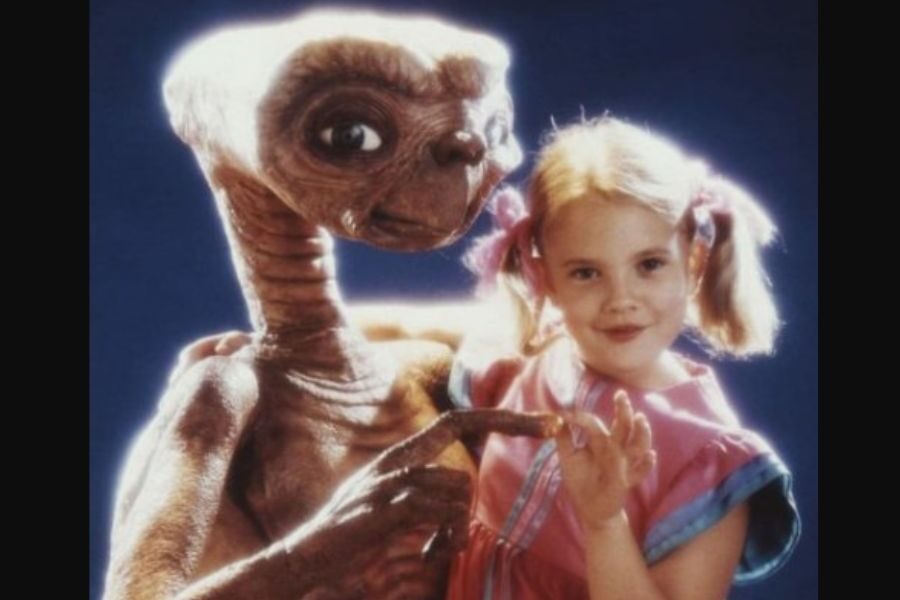
After a handful of small roles, Drew’s life changed forever when she was cast as Gertie in E.T. the Extra-Terrestrial.
Director Steven Spielberg chose her after she delighted him with a wild story about leading a punk rock band—her imagination was pure magic.
When E.T. became the highest-grossing film of the 1980s, Drew became an overnight sensation. “Nobody treated me like a kid,” she later said—and from then on, she never really was one.
The One Who Saw the Child
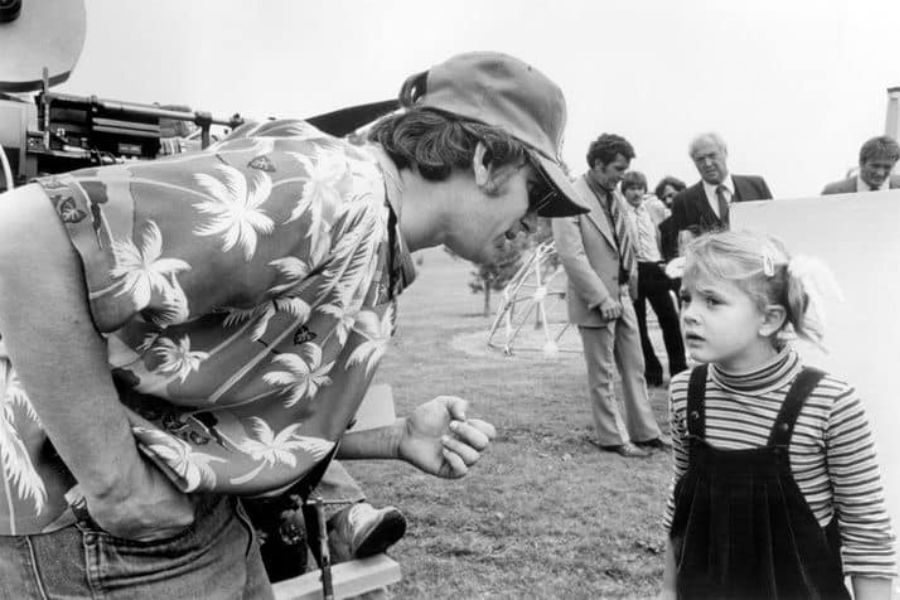
In the whirlwind of Drew’s early fame, there was only one adult who truly saw her as a child—her godfather, director Steven Spielberg.
While others celebrated her success, Spielberg worried. He later said Drew was “staying up way past her bedtime, going to places she should’ve only been hearing about.”
He knew fame had stolen her childhood but felt powerless to stop it. “I felt very helpless because I wasn’t her dad,” he said softly, “only a kind of consigliere.”
The Little Girl and the Alien
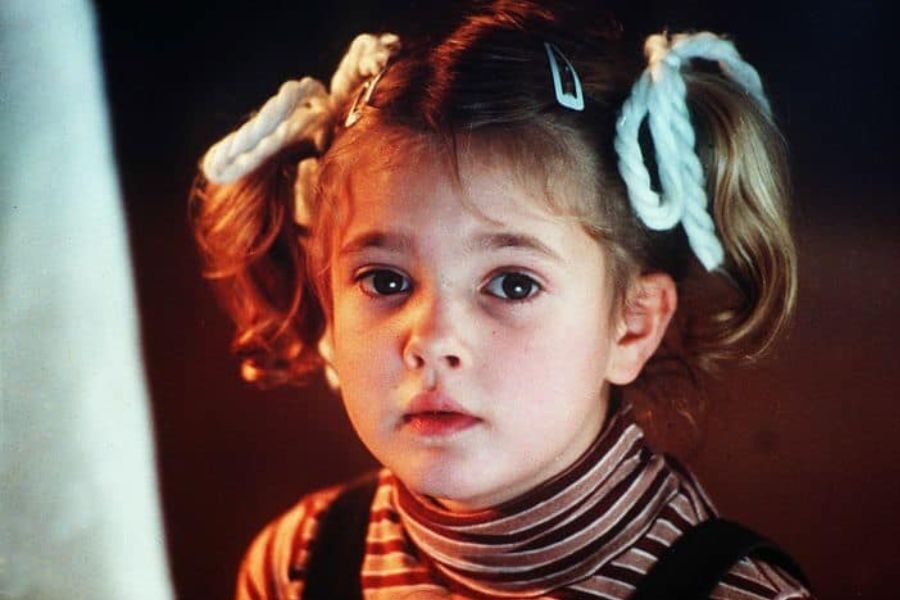
From those times, Drew carries a particularly bittersweet memory—one that captures both the wonder and the deep loneliness of her childhood.
On the set of E.T., she often sat beside the animatronic puppet during breaks, quietly talking to it as if it were her closest friend.
Her isolation was so palpable that Steven Spielberg asked the crew to keep E.T. “alive” between takes. The alien couldn’t feel—but it was the only one that seemed to care.
Art Imitating Life
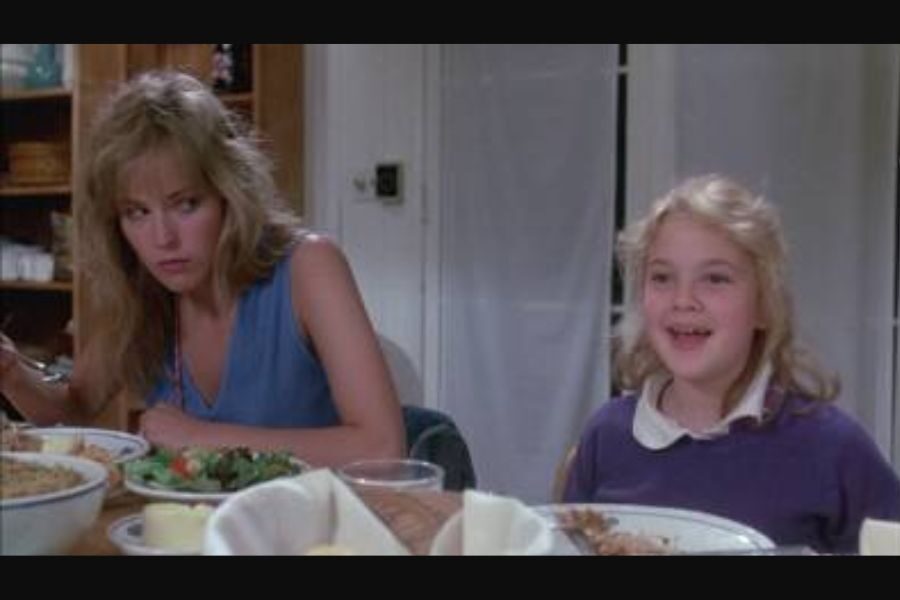
And in fact, things were not looking good at the Barrymore home. While Drew’s fame was growing, her family life was quietly deteriorating behind closed doors.
In Irreconcilable Differences, she played a little girl tired of her parents’ constant arguments, seeking emancipation from them—a story that felt eerily close to home.
She performed the role with heartbreaking honesty, earning her first Golden Globe nomination for Best Supporting Actress—all before her tenth birthday. Fiction, it seemed, was foreshadowing her life.
Fame and Fractures
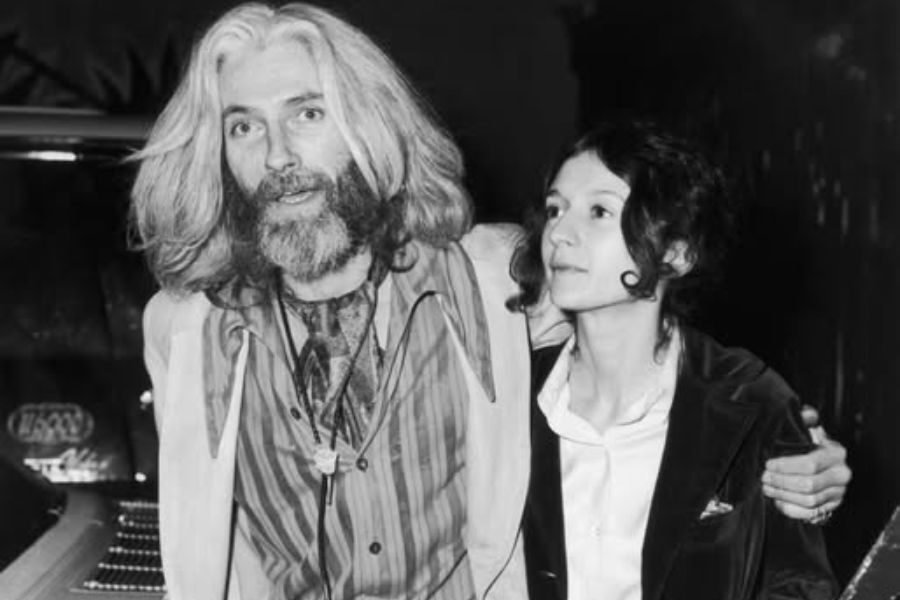
That same year, 1984, Drew also starred in Firestarter, once again proving her rare talent and emotional depth despite her tender age. Hollywood couldn’t get enough of her.
But behind the cameras, things were collapsing. Her father’s addiction and her parents’ constant conflict finally tore the family apart, leaving Drew caught in the emotional wreckage.
When they divorced just before her tenth birthday, her world shifted, and pretty soon, chaos would start to unravel.
A Childhood Lost to the Night
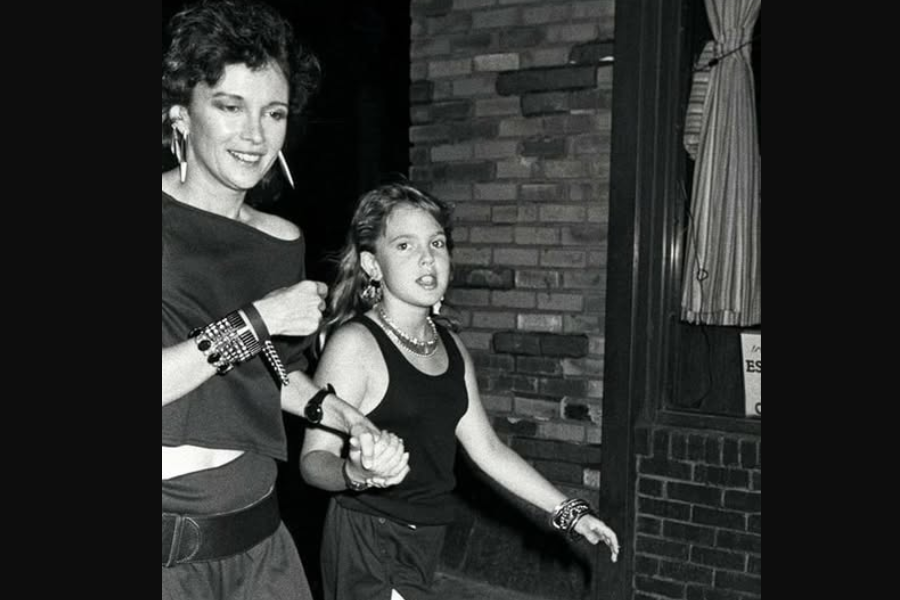
Drew was only nine years old when her mother took her to Studio 54 for the first time—the legendary New York nightclub known for its wild parties and complete disregard for rules.
Jaid, never the steady maternal figure Drew needed, was struggling after the divorce. Instead of protecting her daughter, she pulled her into the same world of excess that consumed her.
From then on, Drew’s nights were spent among adults, flashing lights, and champagne glasses—places no child should ever be.
A Friend, Not a Mom
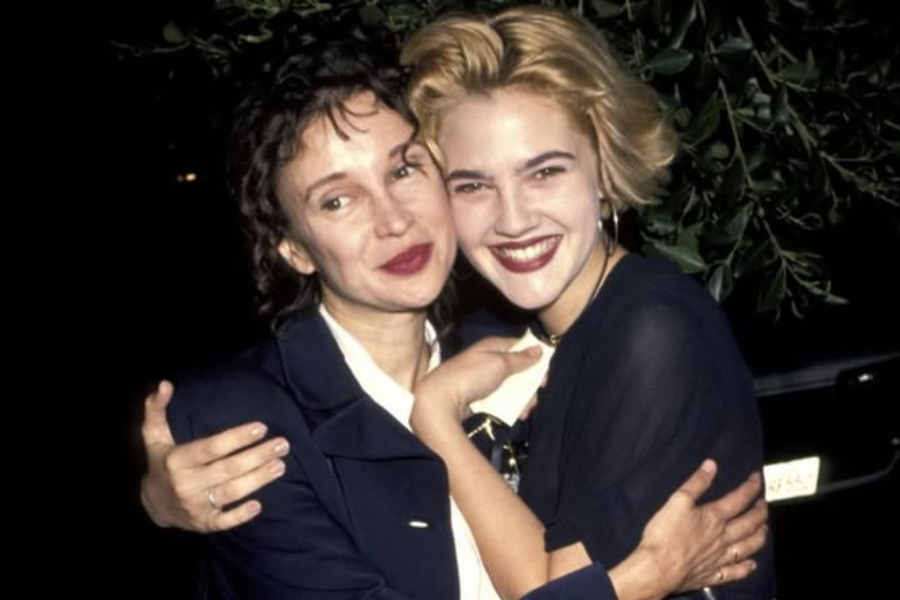
Looking back, Drew remembers those years with a mix of irony and heartbreak. “I had a mom,” she once said, “but she was more like my best friend.”
Jaid didn’t set boundaries—she offered choices no child should have to make. “She was like, ‘Do you want to go to school and get bullied all day, or do you want to go to Studio 54?’” Drew recalled.
To a lonely, famous kid desperate for escape, the answer was obvious. “Yes, absolutely,” she said. “I don’t want to spend the day with those little f—— who are just awful.”
Growing Up Too Fast
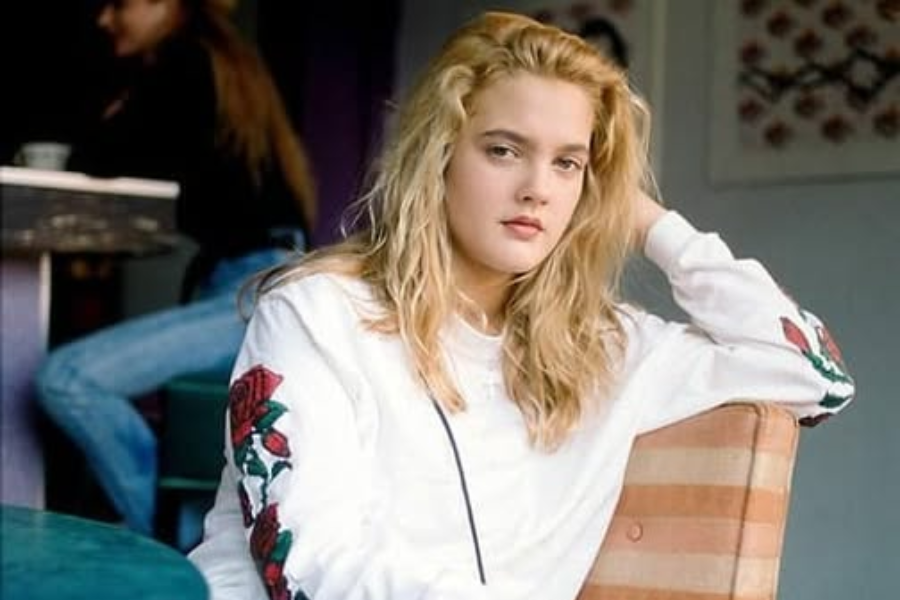
In her autobiography Little Girl Lost, Drew revealed just how early darkness crept into her life after she started going out with her own mother.
She explained that she started drinking at nine, smoking cannabis at ten, and using cocaine by twelve. She would call herself a “party animal”.
With her mother often absent and the party scene always within reach, Drew spiraled fast. By her early teens, she was deeply addicted.
The Irony of “Just Say No”
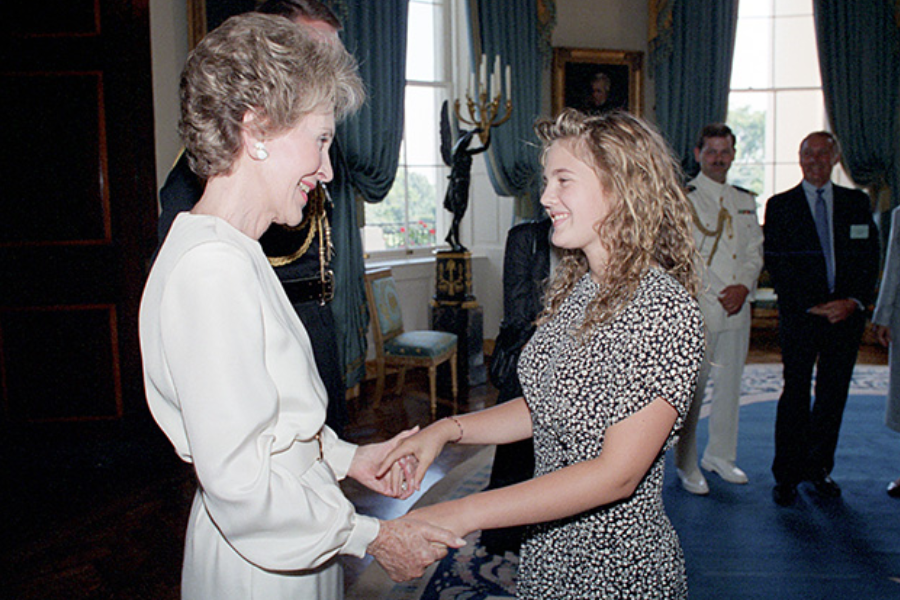
Ironically, around that time, Drew appeared in Nancy Reagan’s “Just Say No” campaign. What the public didn’t know is that she had already been to rehab once, at just twelve years old.
Cameras captured a teary-eyed Drew urging kids to stay away from drugs, her voice trembling with sincerity and exhaustion. She was the perfect poster child for the movement.
But behind that image was a girl already losing her battle. Previous attempts to save her had failed, and the campaign’s message rang painfully hollow—especially for the child delivering it.
The Fall from Grace
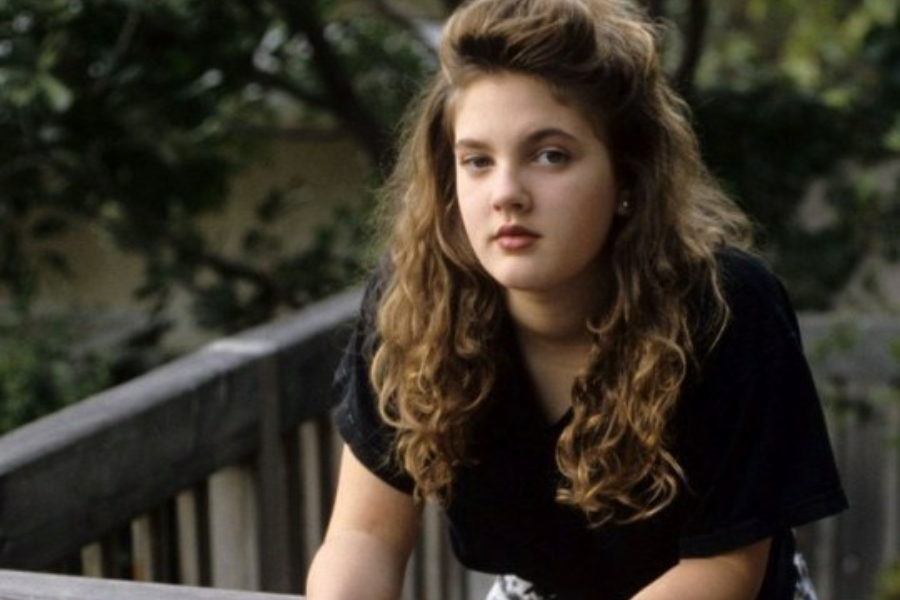
As Drew entered her teens, the whispers started. Hollywood had fallen in love with her as a bright, charming child—but now, her vices were making headlines.
By twelve, her struggles with alcohol and drugs were no longer a secret. The industry that once adored her began to look away, branding her as troubled and unreliable.
Despite her talent, major studios stopped calling. The lovable little girl from E.T. was gone, replaced by a child star the world no longer wanted to save.
Hitting Rock Bottom

By 1988, things had spiraled beyond control. Drew was deeply addicted, surrounded by older friends, and finding it harder and harder to get hired in Hollywood.
That year, she was cast in See You in the Morning; she didn’t want to take the role—she wanted to stay in Los Angeles. But her mother, desperate for money and recognition, forced her to go.
The fight over the movie broke her already fragile relationship with her mother. Work offers dried up, and for the first time, Jaid realized her daughter didn’t need another role—she needed help.
Her Lowest Point
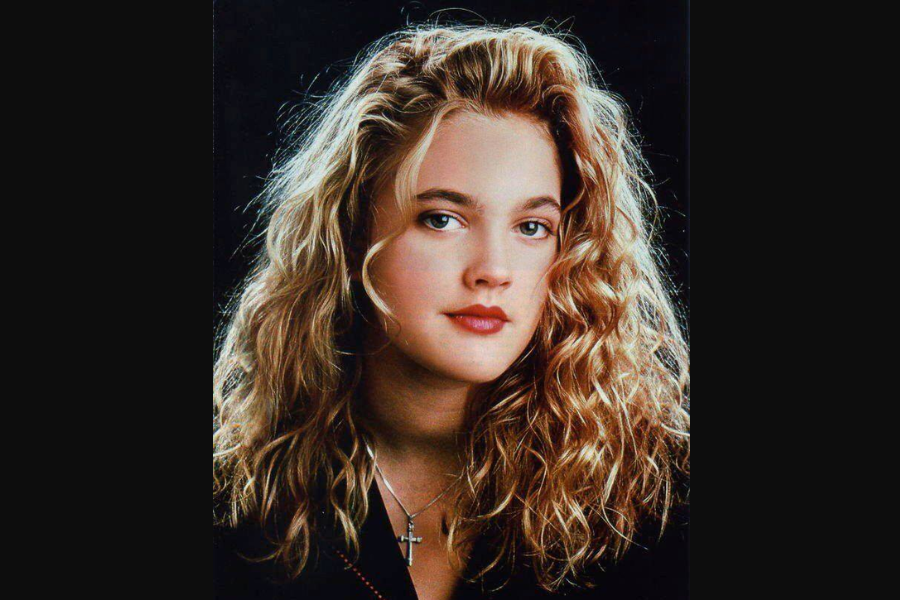
“When I was thirteen, that was probably the lowest,” Drew told The Guardian, her voice softening as she recalled the moment everything truly fell apart.
She remembered feeling utterly alone, angry, and lost—running away, rebelling, lashing out at a world that had never felt safe. “It was a really rebellious time,” she said. “I was very, very angry.”
When asked what she was angry about, Drew paused. “That’s the thing. I don’t know,” she admitted. “Once I really asked myself, ‘What are you angry with?’
Locked Away
By the time Drew turned fourteen, her mother had run out of answers—and patience. Desperate and overwhelmed, Jaid made the shocking decision to have her daughter institutionalized.
In the middle of the night, she drove Drew to the Van Nuys Psychiatric Hospital in California, accompanied by a friend whose own daughter was “just as wild.” Drew later recalled the moment vividly on her talk show.
“I walked across the door,” she said, “and that’s when I learned—once you walk through them, you couldn’t come out. I was there for a year and a half.” For a girl who had grown up in Hollywood, it was a brutal, sobering kind of captivity.
A Harsh Kind of Healing
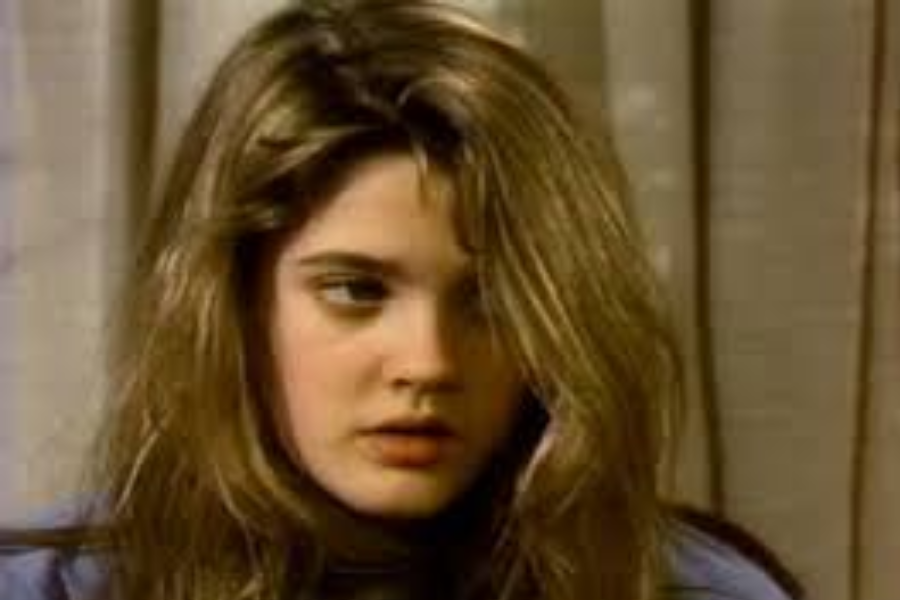
Drew remembers her time at the Van Nuys Psychiatric Hospital as both traumatic and transformative. “I hated it,” she said. “I thought I’d be there forever—I never thought I’d make it somewhere better.”
The days were long and brutal, filled with therapy, discipline, and isolation. But the confinement forced her to confront herself in ways she never had before. Slowly, the chaos began to quiet.
It worked. “I don’t know if I would have the life I have now if it wasn’t for that place,” she later admitted. For the first time, Drew was sober—and she would never touch drugs again.
A Child Hardened Too Soon
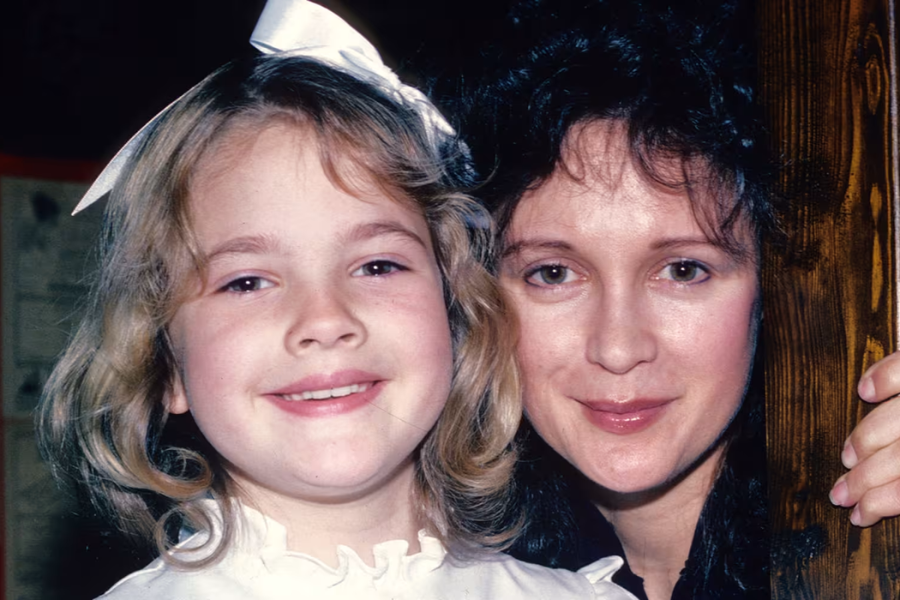
After a year and a half inside, Drew left the hospital at just fourteen, sober but irrevocably changed. The experience had hardened her, made her colder, sharper, older than her years.
She had spent what should’ve been her teenage freedom locked behind institutional walls, learning survival instead of adolescence. There was no going back to being a child.
Now she knew what she had to do next. Her relationship with her mother was broken beyond repair, and Drew was ready to fight for her emancipation—no matter the cost.
Fighting for Freedom
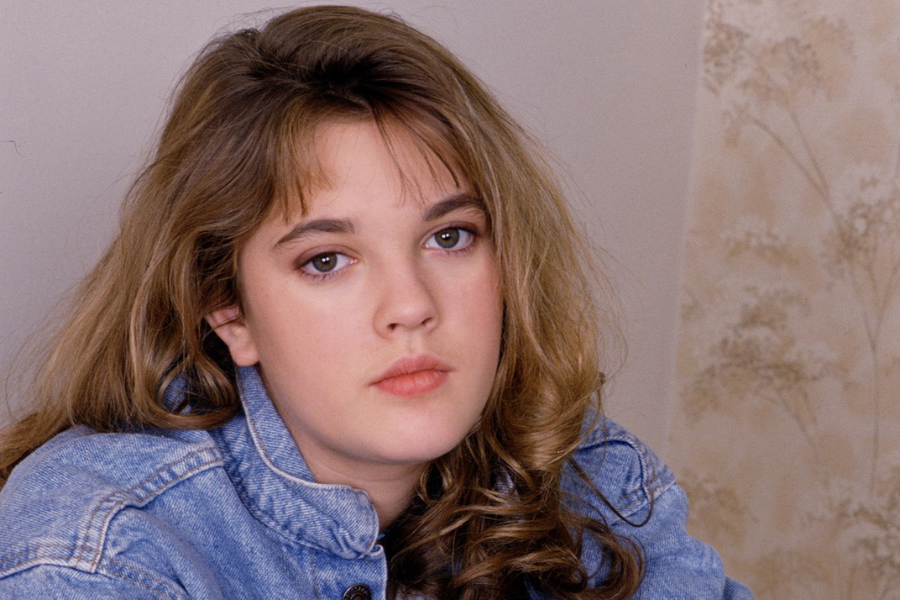
For Drew, emancipation wasn’t an act of rebellion—it was survival. By fourteen, she realized the only way forward was to reclaim her life and career.
“Work was a very positive thing in my life,” she wrote, “and sadly it had been taken away when my mother put me in an institution because she felt helpless.”
Hollywood had turned its back on her. “People found out, and they wrote me off as damaged goods,” Drew admitted. “When I turned fourteen, I wanted to start over—and do things on my own terms.”
The Goodbye Before the Break
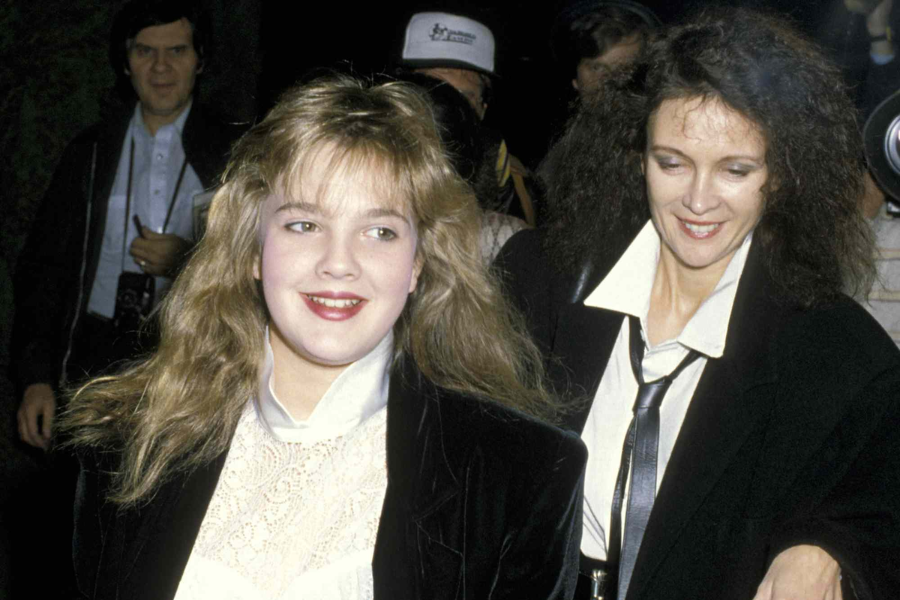
After leaving the clinic, Drew knew life couldn’t go back to the way it was. Her relationship with her mother was broken, and no amount of pretending could fix it.
Jaid had already shown she wasn’t capable of being a stable parent—too overwhelmed, too lost in her own struggles to give Drew the guidance she needed.
So Drew sat her down and explained that emancipation was the only way forward, the healthiest choice for them both. To her surprise, Jaid listened—and she agreed.
The Day She Became an Adult

When the day of Drew’s emancipation hearing arrived, her mother showed up in full support. It was a sad, surreal moment—both knew too much damage had been done.
“The judge walked in and the day went on in a blur,” Drew later recalled. “People testified, but it wasn’t heavy or dark. It was simply: should this kid become an adult?”
At the end, the judge looked at her and said, “I can turn the clock forward, but I can never turn it back. Are you ready for that?” Drew didn’t hesitate. “Yes,” she answered. With a faint smile, he replied, “I hereby pronounce you an adult.”
Alone in the Real World
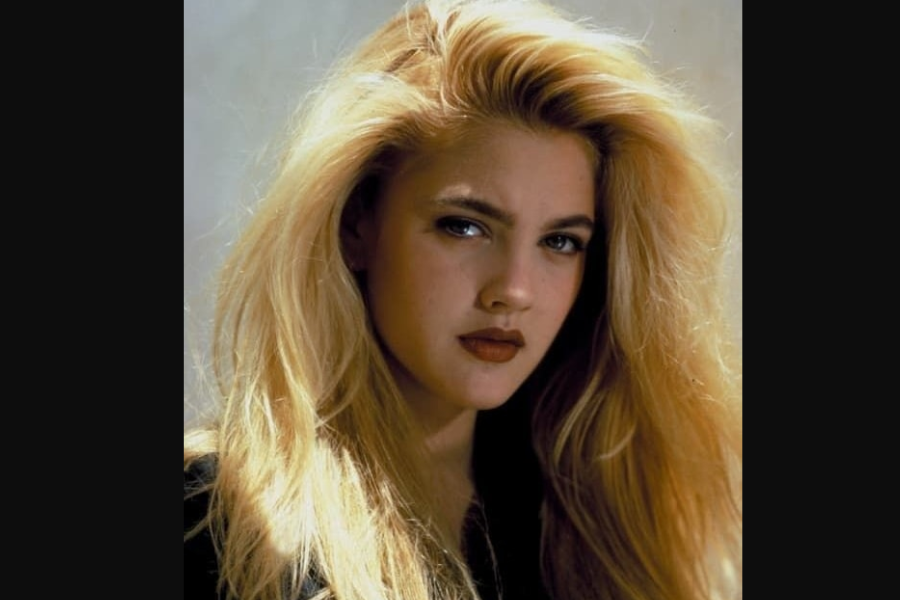
At fourteen, Drew suddenly had to fend for herself. “First I needed an apartment,” she recalled, searching West Hollywood for a place to call home.
She found one behind a friend’s building, down a sketchy alleyway she’d been warned about. Still, Drew didn’t care—her friend Justine was just steps away.
“I was happy my girlfriend was a stone’s throw away,” she wrote. It wasn’t safe or perfect, but for the first time, it was hers.
Growing Up Overnight
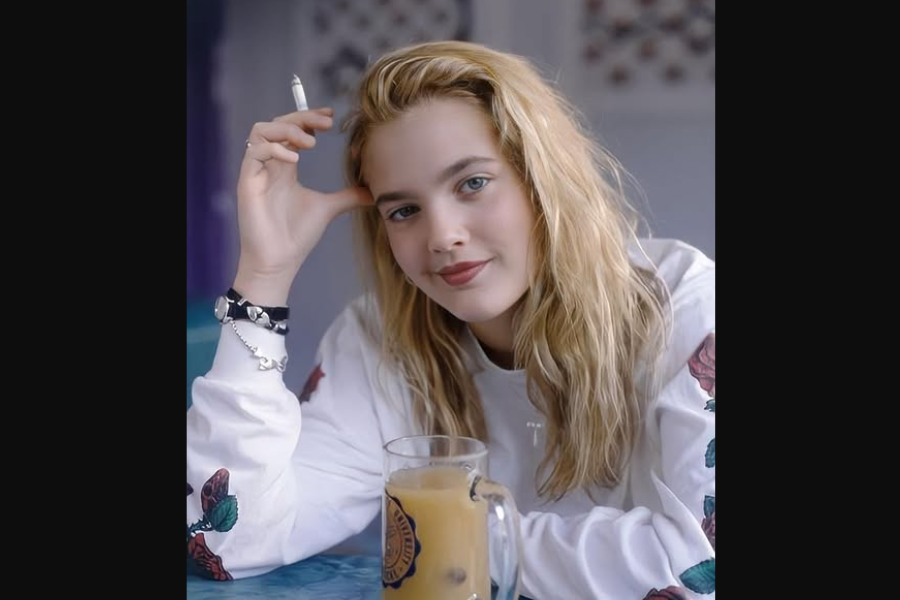
Next came the hard part—finding a job. Drew worked at a local coffeehouse, one of Los Angeles’s new hot spots, filled with night crowds and noise.
“I wasn’t great at my job,” she admitted. “I’d only done two things: acted and had wild life experiences.” Real life was tougher than she expected.
Her apartment was chaos—half-assembled furniture, spoiled takeout, a fridge “like a science project.” Fourteen years old, legally an adult, she was learning survival the hard way.
The Quiet Before the Comeback
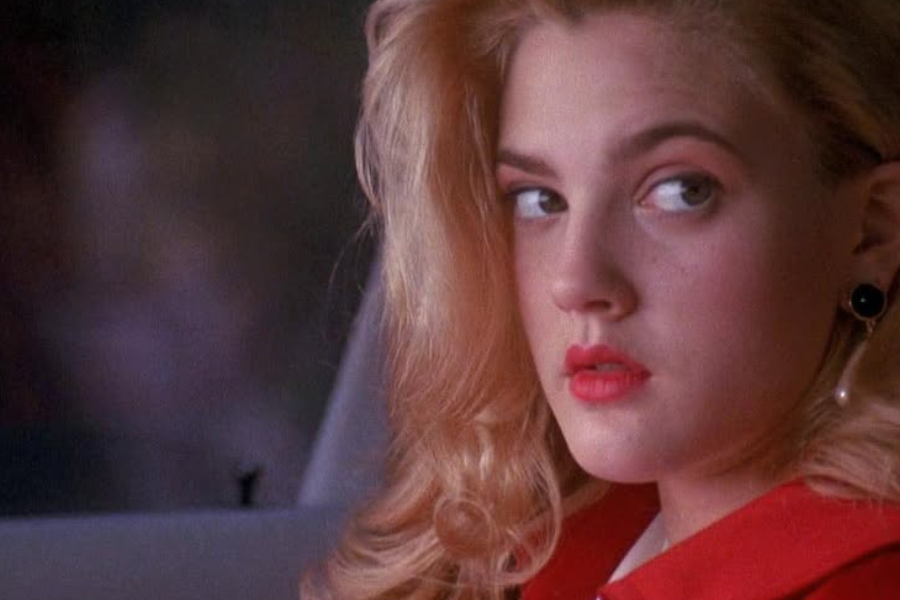
The next two years were a strange kind of calm. Drew kept her head down, working shifts at a coffee shop and sharing an apartment with a friend.
Hollywood had moved on without her. She was off the radar, missing from premieres and magazine covers, living a life far from the spotlight she once ruled.
But she never gave up on the one thing that made her feel alive—acting. Despite being blacklisted, she kept auditioning, and in 1992, at sixteen, she finally got her second chance: Poison Ivy. It would change everything.
The Role That Changed Everything

Drew’s rebellion didn’t just define her real life—it began to shape her career. At sixteen, she landed the role of Ivy in Poison Ivy, a seductive and dangerous teenager.
The film found huge success on video and cable, turning Ivy into a cult icon. Entertainment Weekly later ranked her among Hollywood’s most unforgettable “bad girls.”
For Drew, the role was more than a comeback—it was a reflection of everything she’d survived. Director Katt Shea later said, “Her baggage was perfect for the role. I just hoped she could hold it together. And she did. She was an absolute pro.”
Turning Rebellion into Power
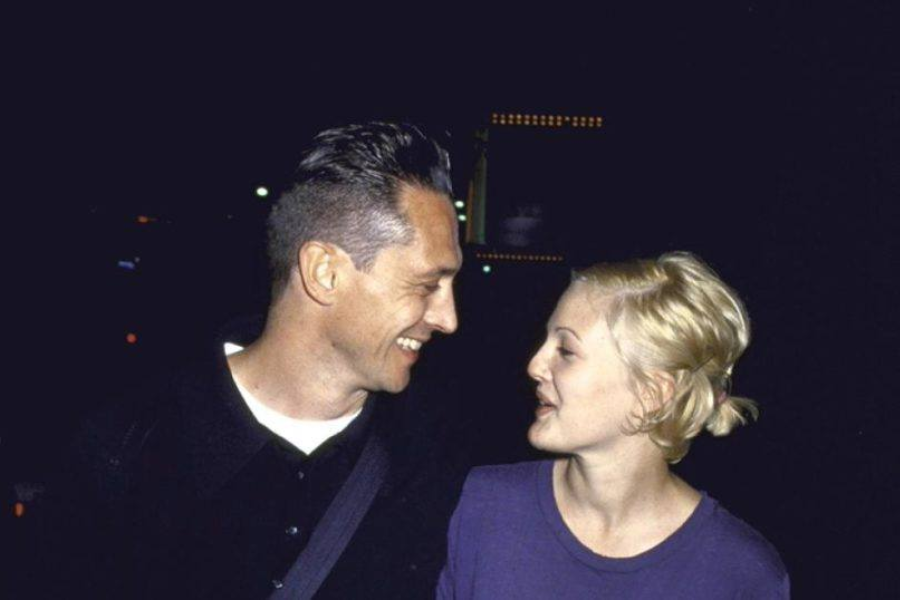
After Poison Ivy, Drew fully embraced the wild reputation Hollywood had given her, playing dark, complicated women who reflected the turbulence she’d already lived through.
At seventeen, she posed nude for Interview magazine and also appeared on the cover of Playboy. Later, she starred in Guncrazy, earning a Golden Globe nomination for her fierce performance.
In 1994, after just six weeks of dating, she married bar owner Jeremy Thomas at 5:30 a.m., paying a 24-hour minister to perform the ceremony Nineteen days later, it was over. But even then, Drew was sober, determined, and turning her chaos into art.
Rising from the Ashes
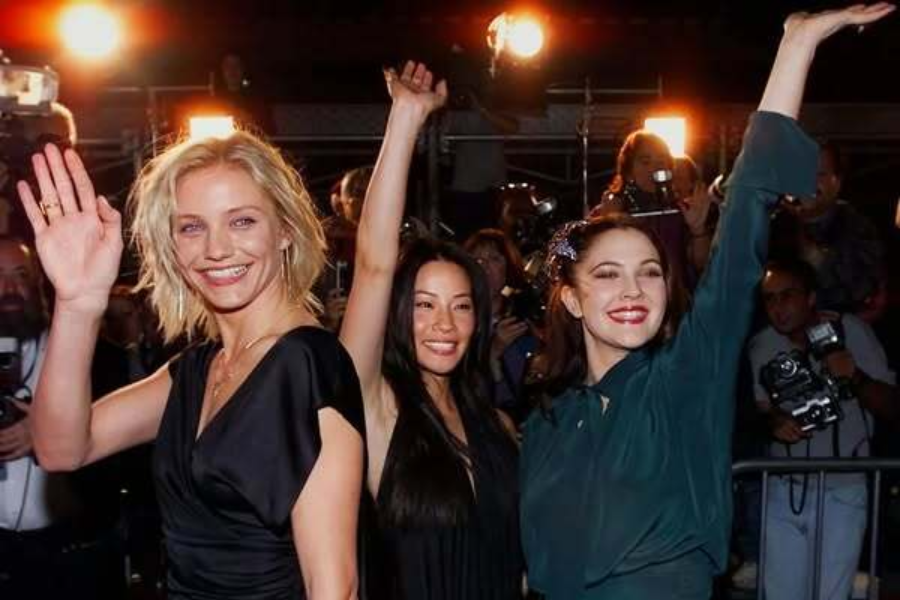
By the late 1990s, Drew had achieved the unthinkable—she clawed her way back from scandal and chaos to become one of Hollywood’s most beloved stars.
Hits like Scream (1996), The Wedding Singer (1998), and Charlie’s Angels (2000) reignited her career, proving she was more than a comeback story—she was a force.
The success continued into the 2000s with films like Never Been Kissed (1999) and 50 First Dates (2004). Through courage and discipline, Drew redefined Hollywood on her own terms.
A Star Among the Stars
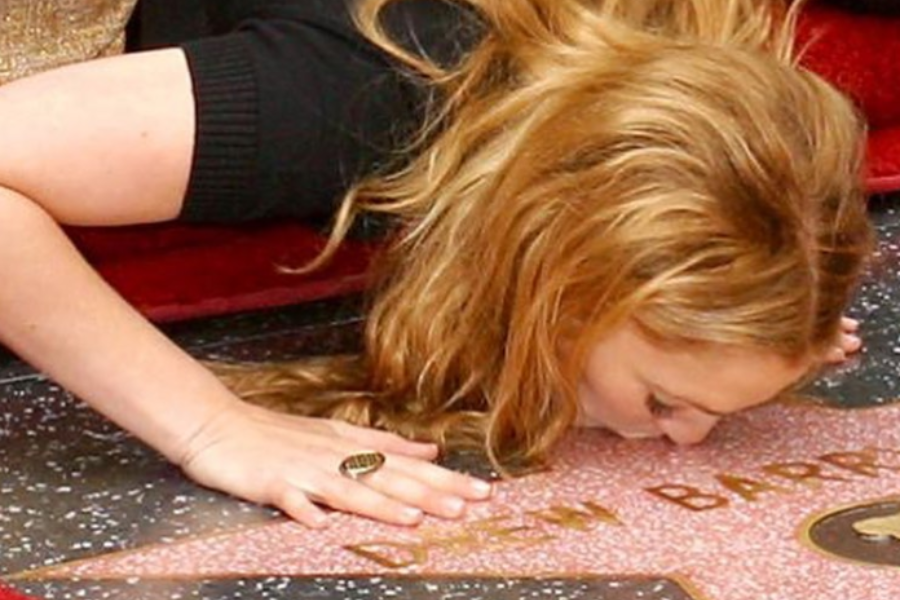
On February 3, 2004, at just twenty-nine, Drew Barrymore received her star on the Hollywood Walk of Fame—the 2,246th in history.
The ceremony marked her remarkable rise from troubled child actor to one of Hollywood’s most enduring leading ladies, a recognition of her decades of hard work and resilience.
As flashbulbs lit up the boulevard, Drew stood smiling—a young woman who had already lived a thousand lives. Professionally, she had conquered it all. But had she truly healed the wounds of her past?
Reconciling with Her Father
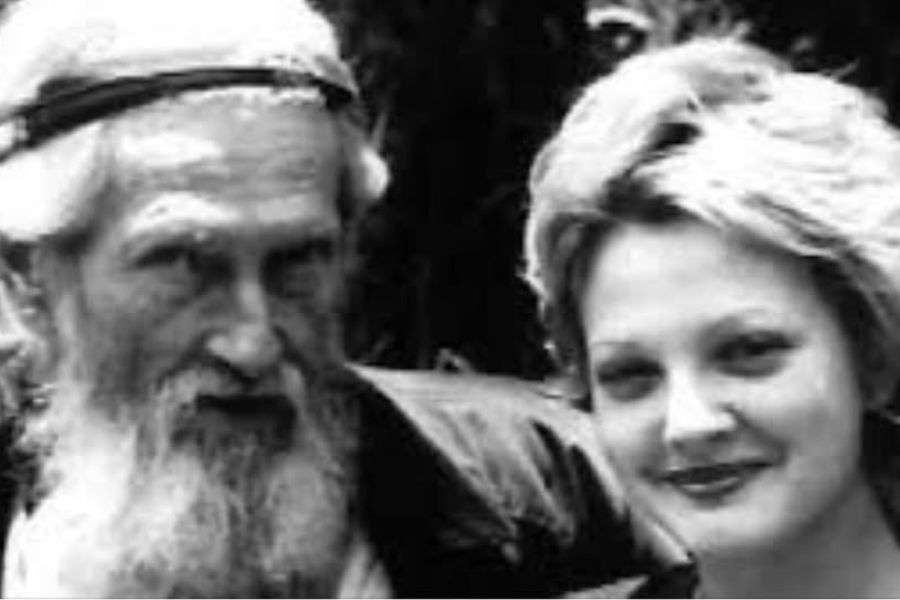
Paradoxically, as Drew was at the height of her career, celebrating her star on the Hollywood Walk of Fame, she was also privately healing her relationship with her father.
By 2004, John was gravely ill with cancer. Their relationship had long been strained—marked by absence, addiction, and disappointment—but Drew chose to be there for him.
She paid for his treatments and hospice care, visiting him often until his final days. After years of distance, Drew and her father finally reconciled before he died that same year.
Making Peace with Her Mother
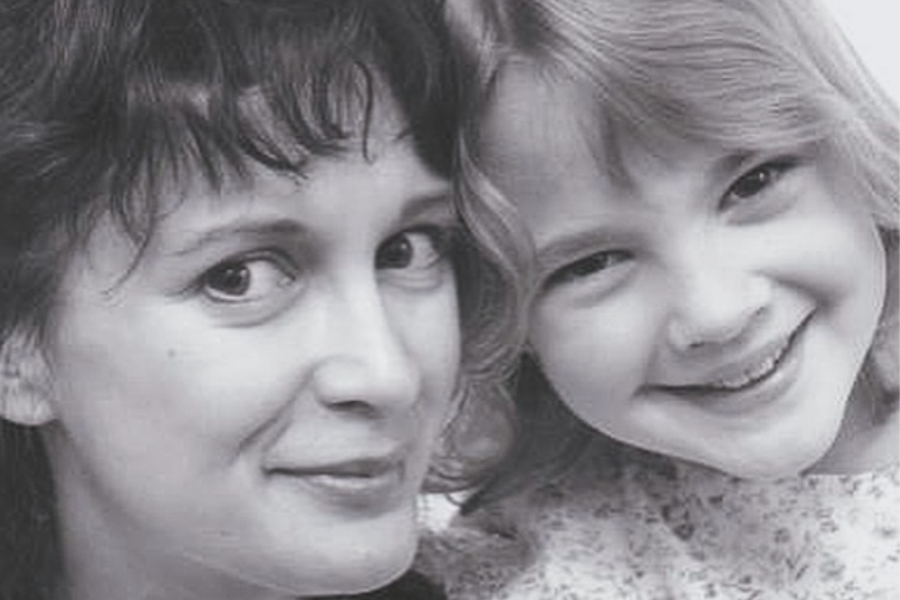
When it comes to her mother, Drew’s feelings have softened over time. The pain of being locked away at thirteen no longer defines her.
“I realised, honestly, yeah, my mom locked me up in an institution. Boo hoo!” she said. “But it did give an amazing discipline.” She now sees that painful chapter as a turning point.
“It was horrible and dark and very long-lived,” Drew admitted, “but I needed it. My life wasn’t normal—I needed some severe shift.” In her own way, she found gratitude.
A Complicated Kind of Love
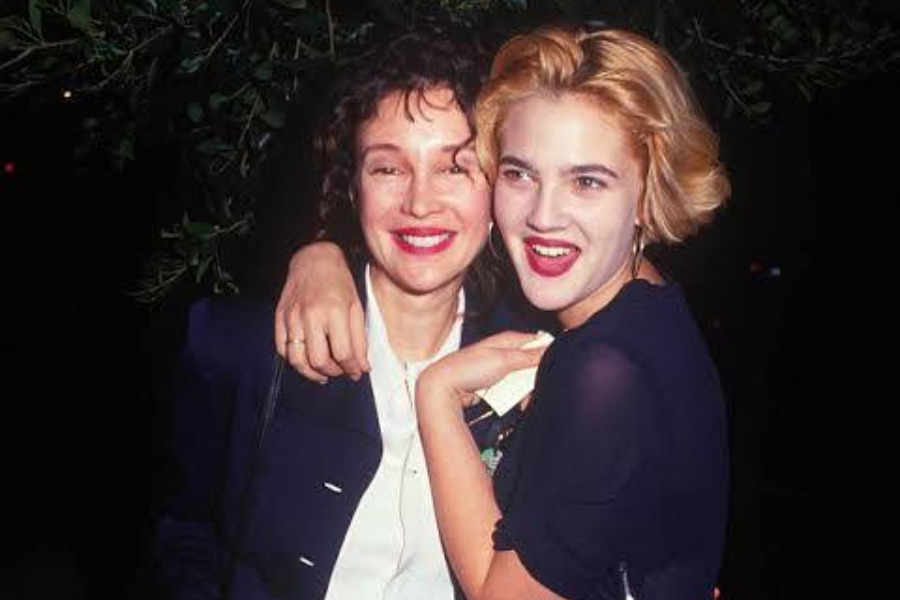
Even after everything, Drew’s relationship with her mother remains layered—fragile, but not broken. “I will always support her,” she told People in 2022.
“I can’t turn my back on the person who gave me my life. I can’t do it,” she said. “It would hurt me so much. I would find it so cruel.”
Still, Drew is honest about their limits. “There are times where I’ve realized our chemistry will drum up something in me, and I have to say, ‘Okay, I need a break again.’” She calls them “healthy pauses”—boundaries that finally make peace possible.
Finding Real Love
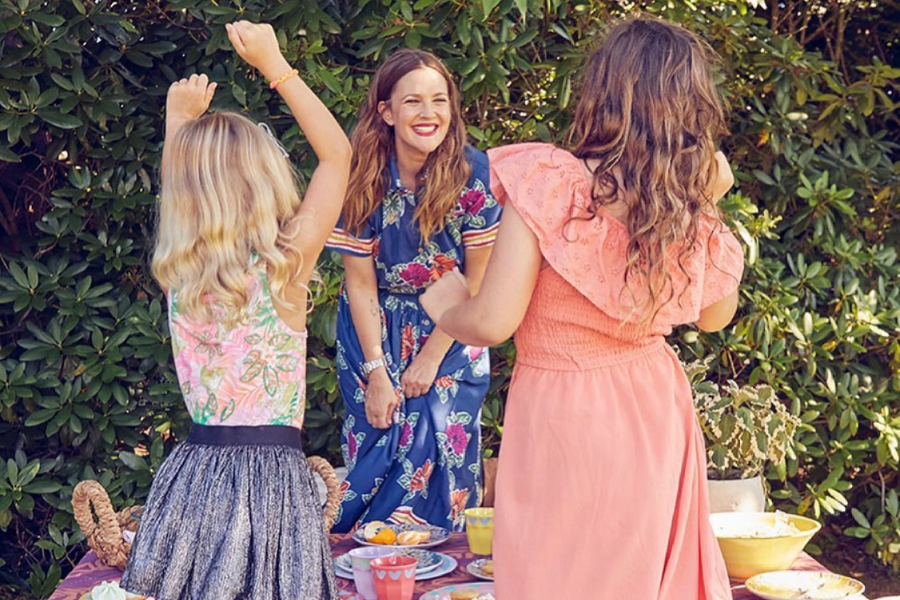
In time, Drew healed beyond her career and her complicated relationships with her parents—she finally opened her heart to love built on peace, not rebellion.
In 2012, she married art consultant Will Kopelman, embracing a calm, grounded life far removed from her Hollywood chaos. It was love, real and steady.
They had two daughters, Olive (2012) and Frankie (2014), whom Drew calls her “North Star” and “Purpose.” Though divorced since 2016, they remain devoted co-parents and friends.
A Different Kind of Motherhood

Drew has taken a wiser, gentler approach to motherhood—one shaped by everything she endured growing up under Hollywood’s relentless spotlight. She’s determined her daughters will have a different childhood.
Though she remains a public figure, Drew keeps Olive and Frankie out of the limelight. No red carpets, no social media, and definitely no major acting roles—for now.
“My life with my children, my feelings, that’s all on the table,” she told People, “but [Olive and Frankie themselves] are not.” She encourages school plays and theater camp, but fame can wait until they’re older. This time, childhood comes first.
The Art of Redemption
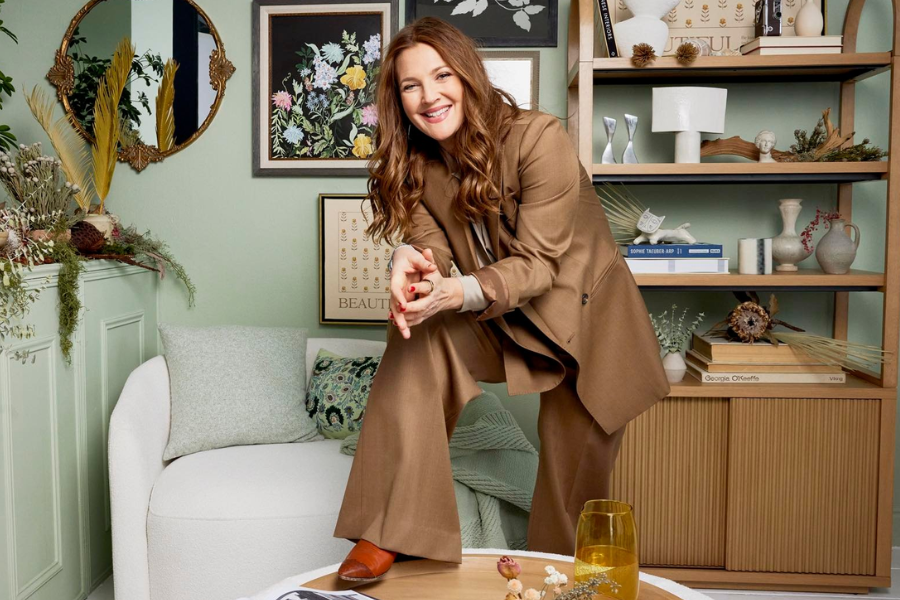
Drew Barrymore’s story is one of Hollywood’s greatest redemption arcs—chaos transformed into clarity, rebellion into resilience, and heartbreak into something deeply human and inspiring.
Today, she runs her own production company, hosts The Drew Barrymore Show, and has written bestselling books filled with humor, honesty, and hope.
More than thirty years sober, Drew has built a life rooted in gratitude and grace. She didn’t just survive—she transformed. And she’s still shining.
