
Whether you’ve been driving for decades or still dreaming of your first U.S. driver’s license, one truth remains: everyone thinks they could pass the test. But could you really? Here’s your challenge! Answer each question as you go — no Googling, no cheating, no “I think that’s right.” Get a piece of paper, keep track of your score, and at the end, we’ll reveal if you truly deserve that license or if it’s time to hit the books again!
1. What Should You Do at a Flashing Yellow Arrow?
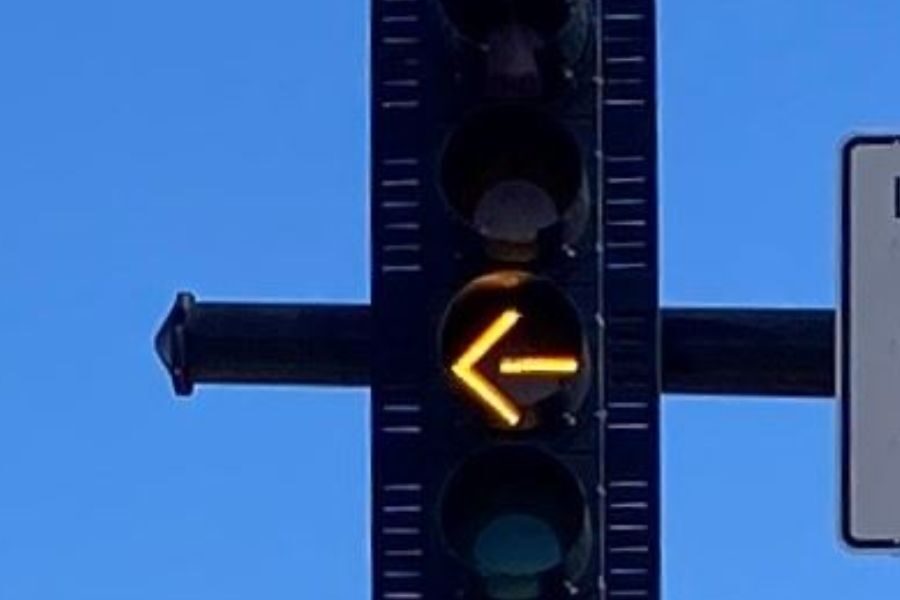
You’re in the left-turn lane, and the solid green arrow changes to flashing yellow. Do you stop, go, or yield? A.) Stop completely B.) Turn cautiously C.) Wait for green D.) Proceed freely.
The correct answer is B. Turn cautiously. A flashing yellow arrow means you may turn left after yielding to oncoming cars and pedestrians. It’s not a free pass, just conditional permission.
Flashing yellow arrows were added to U.S. intersections in 2009 to reduce crashes from “permissive left turns.” Studies show they lowered left-turn accidents by nearly 30% nationwide within the first decade.
2. True or False: You Can Enter an Intersection on Yellow
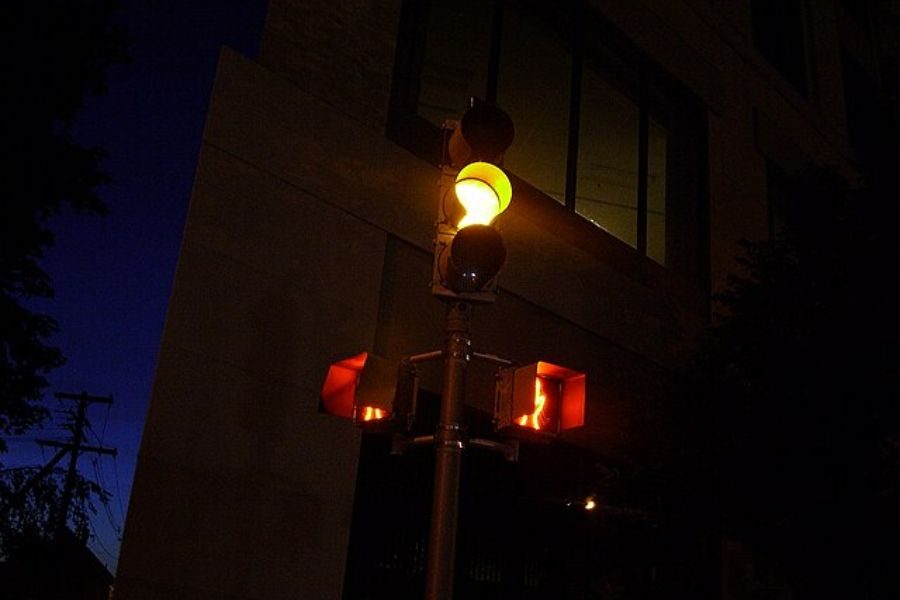
You’re approaching a light that just turned yellow. There’s a car close behind, and stopping feels abrupt. Can you continue through before it turns red, or must you stop immediately?
False. You should stop if it’s safe to do so. Entering an intersection after the signal turns red counts as a violation, even if your front bumper crosses on yellow.
Camera data shows that nearly half of red-light violations start during yellow intervals. Those “beat-the-light” seconds are among the most dangerous—many collisions occur just after signals change.
3. Fill in the Blank: When Parking on a Hill, Turn Your Front Wheels _______
Imagine you’ve parallel parked on a steep hill. Gravity’s ready to test your car’s loyalty. Should your front wheels face the curb, away from it, or remain straight?
Turn your wheels toward the curb when parking downhill and away when uphill. That way, if your brakes fail, your car rolls safely toward the curb instead of traffic.
Early drivers learned this lesson the hard way—before parking brakes were standard, rolling cars caused countless fender benders on San Francisco’s hills. Some 1920s cars even used bricks as makeshift wheel chocks.
4. Spot the Error: “You Can Always Turn Right on Red After Stopping.”
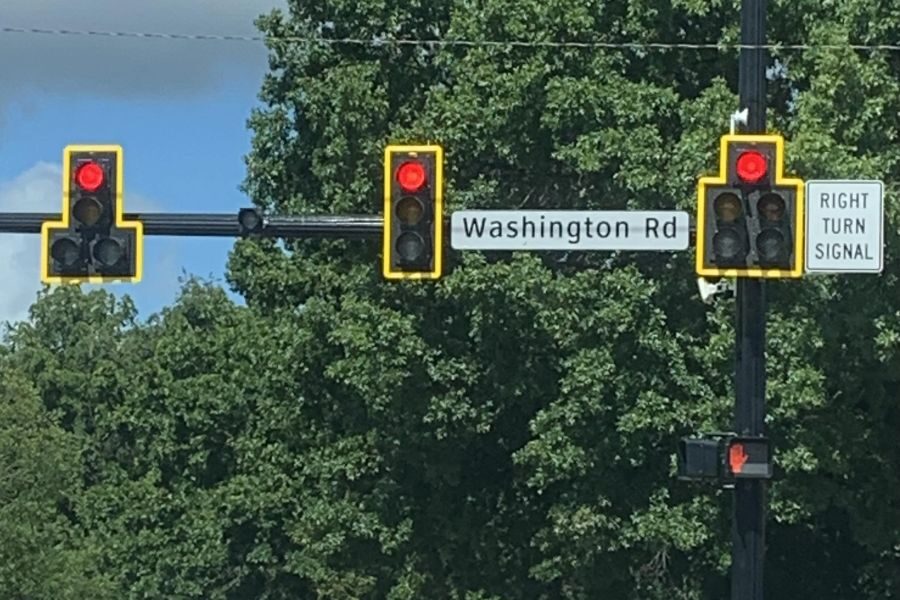
You’ve heard it since driver’s ed: stop, then turn right on red. Seems universal—but is it truly always allowed, no matter the intersection or signage?
The error lies in the word “always.” Some intersections forbid right-on-red, especially near schools, rail crossings, or heavy pedestrian zones. Always check for a “No Turn on Red” sign before moving.
California recorded more than 6,000 pedestrian crashes from right-on-red turns last year. It’s a privilege, not a right—one sign can change the rule entirely. Always double-check before turning.
5. When Should You Turn On Your Headlights?
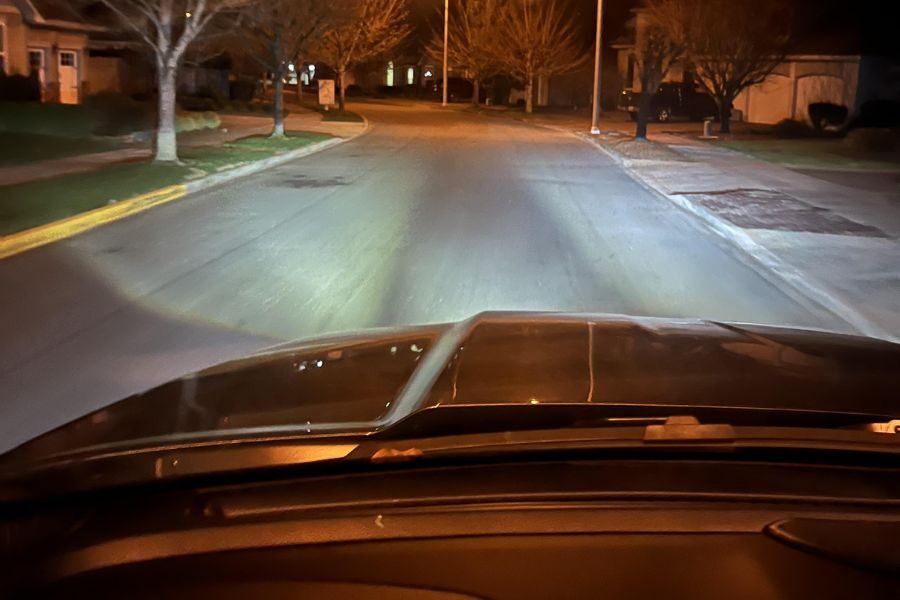
You’re cruising under cloudy skies when light rain starts. It’s not dark yet—should you switch on your headlights, or wait until sunset to save the bulbs?
The correct answer: Turn them on early. Headlights are required during rain, fog, snow, or when visibility drops below 500 feet. Many states also require them whenever windshield wipers are in use.
Daytime headlight use reduces multi-vehicle crashes by about 5–10%, especially in gloomy weather. Even if you can see fine, others might not see you—visibility is a two-way responsibility.
6. True or False: It’s Legal to Cross Double White Lines
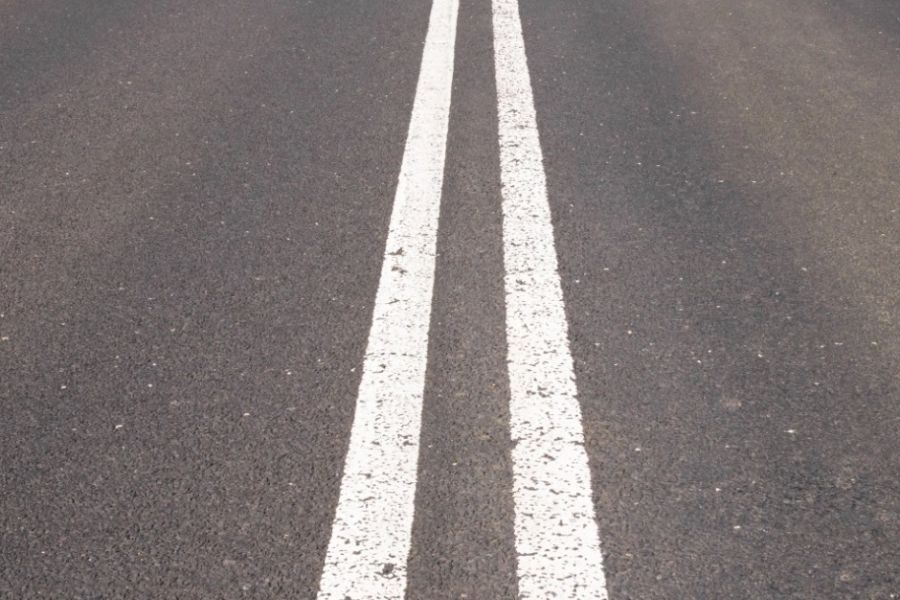
You’re in the express lane, but traffic ahead crawls. You see double white lines separating lanes—can you cross them to escape congestion faster?
False. Crossing double white lines is illegal. They separate traffic moving in the same direction where lane changes would be unsafe. You must wait until the lines become broken again.
Double white lines are common on high-speed highways. Engineers found that limiting lane changes between express and local traffic reduces side-swipes and confusion, improving overall flow and visibility.
7. When Driving in Fog, Use Your ______ Beams
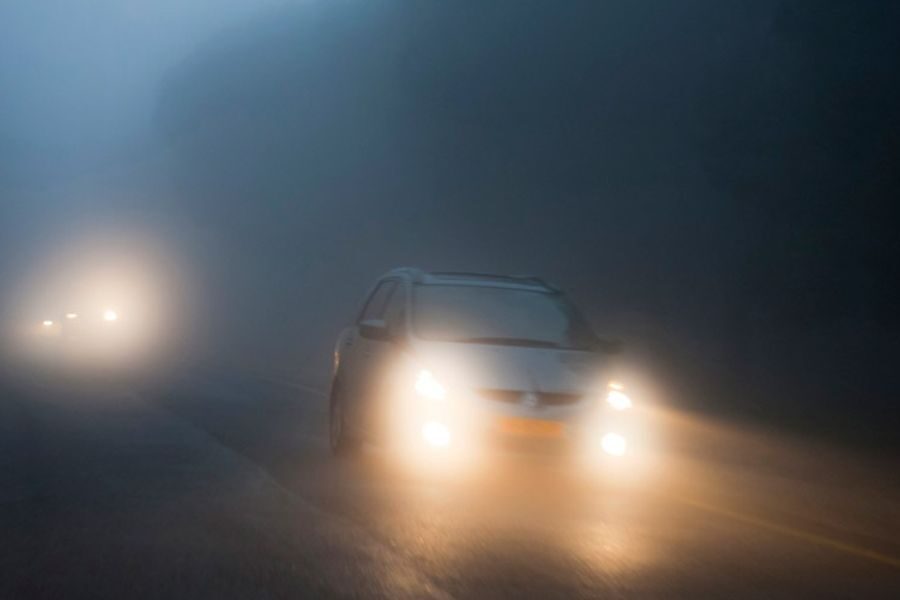
Thick fog blankets the highway. You can barely see the taillights ahead. Which beam setting helps most? A.) High B.) Low C.) Parking D.) Emergency lights.
The answer is B. Low beams. High beams reflect off water droplets, creating glare that blinds you. Low beams aim downward, improving visibility along lane markings and the road edge.
“Fog lamps” were first introduced in France during the 1930s, tinted yellow to reduce glare. Modern science shows beam angle matters more than color for piercing fog safely.
8. What’s the Safe Following Distance Rule?

You’re cruising behind another car on the freeway. How much space should you leave between vehicles to ensure enough time to react if they brake suddenly?
Use the “three-second rule.” Pick a fixed point and ensure at least three seconds pass after the car ahead passes it. Double that distance in rain or snow.
The rule was developed by researchers in the 1970s after analyzing hundreds of rear-end crashes. It works regardless of speed or vehicle type—human reaction time rarely beats physics.
9. True or False: You Can Park Within 10 Feet of a Fire Hydrant
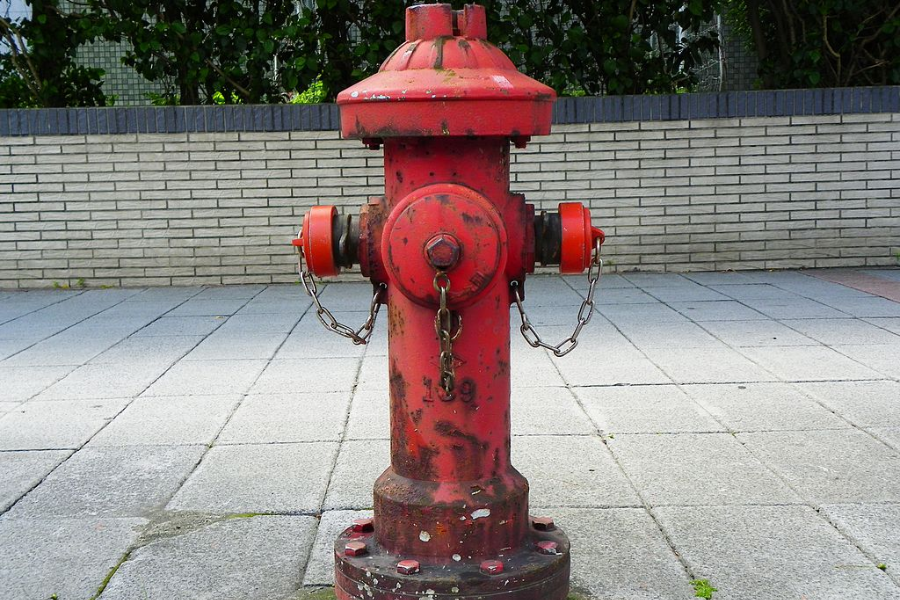
You spot a rare empty space downtown—right beside a shiny red hydrant. It’s tempting. You’ll only be a minute. Surely that’s fine… right?
False. You must park at least 15 feet away. Firefighters need that clearance to attach hoses quickly. Blocking access can delay response times during actual emergencies.
Some cities ticket cars with hydrant violations using camera systems. In Boston, firefighters have even broken windows to run hoses through cars blocking hydrants. That’s a lesson you don’t forget.
10. When Are You Allowed to Pass a School Bus?

You’re running late and a yellow bus stops ahead, red lights flashing. Kids exit slowly. When can you legally pass it without getting fined—or worse?
You may pass only when the red lights stop flashing and the stop arm retracts. On a two-lane road, traffic in both directions must stop while lights flash.
An estimated 70,000 illegal bus passings occur daily in the U.S. Many states now use bus-mounted cameras to ticket offenders automatically. Patience here literally saves children’s lives.
11. What Should You Do If Your Car Starts Hydroplaning?

Rain pounds the pavement. Suddenly, your steering feels light, and your tires start to glide. What’s your next move? 3… 2… 1… (Time’s up!)
Ease off the gas, avoid sudden braking, and steer gently in your intended direction. Do not jerk the wheel—it’ll only worsen the skid.
Hydroplaning can start at just 35 mph with minimal standing water. Tire pressure and tread depth play huge roles; worn tires double your risk of losing control. Check the quality always!
12. True or False: You Should Signal Even When No One’s Around
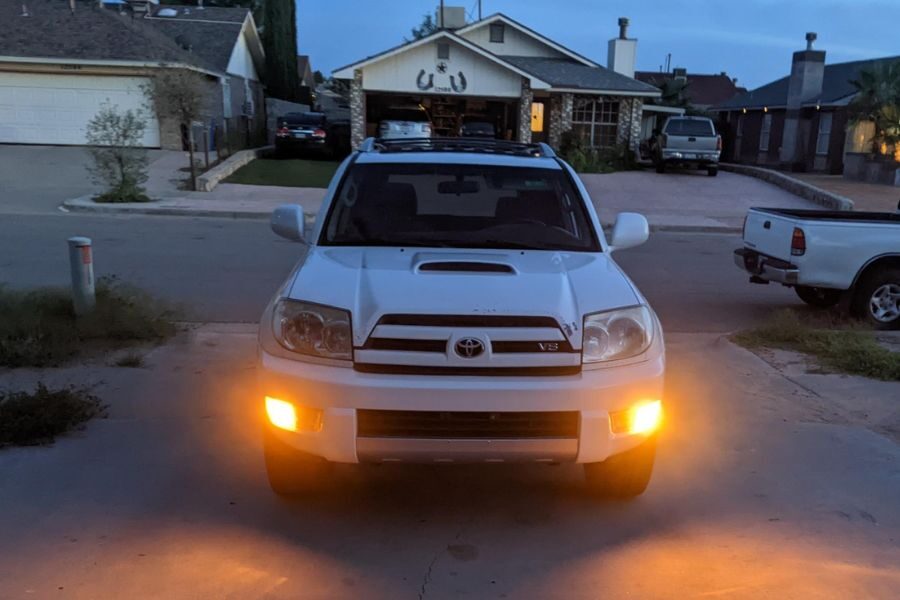
It’s 2 a.m., the road is empty, and you’re turning into your driveway. Does signaling still matter when no other car seems nearby?
True. Turn signals are required every time you turn or change lanes, regardless of visible traffic. You never know who’s approaching from a blind spot or hidden corner.
Police officers often say signal use is about habit, not necessity. Drivers who always signal, even alone, are statistically involved in fewer collisions long-term.
13. What Does a Solid Yellow Line on Your Side Mean?
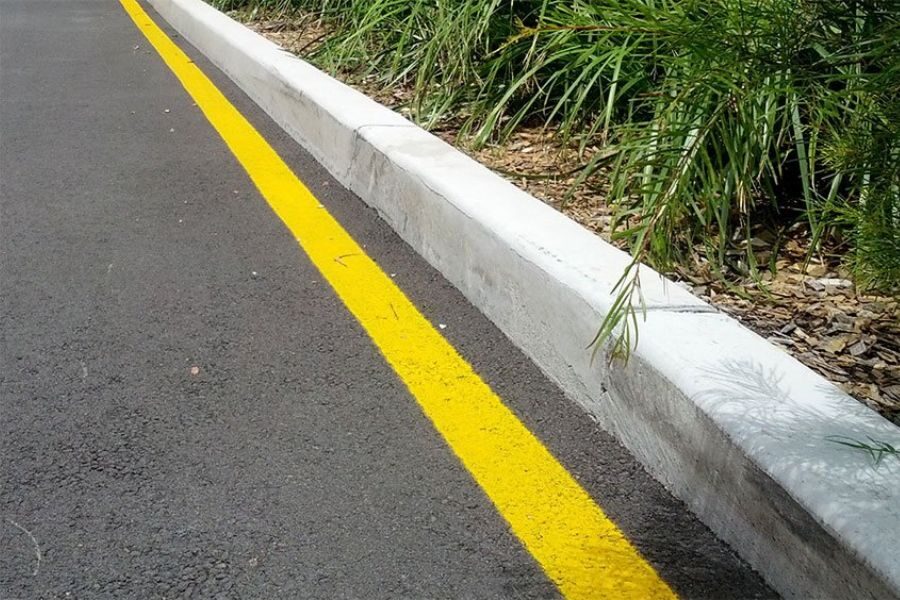
You’re behind a slow car on a two-lane road, glaring at the line separating you. It’s solid on your side—what does that mean exactly?
It means no passing. A solid yellow line on your side prohibits overtaking. Wait until the line becomes dashed before crossing to pass safely and legally.
Centerlines were first used in Michigan in 1911, inspired by a leaky milk wagon. The painted stripe quickly became a worldwide safety standard separating opposing lanes.
14. Fill in the Blank: Dim High Beams Within ______ Feet of Oncoming Cars
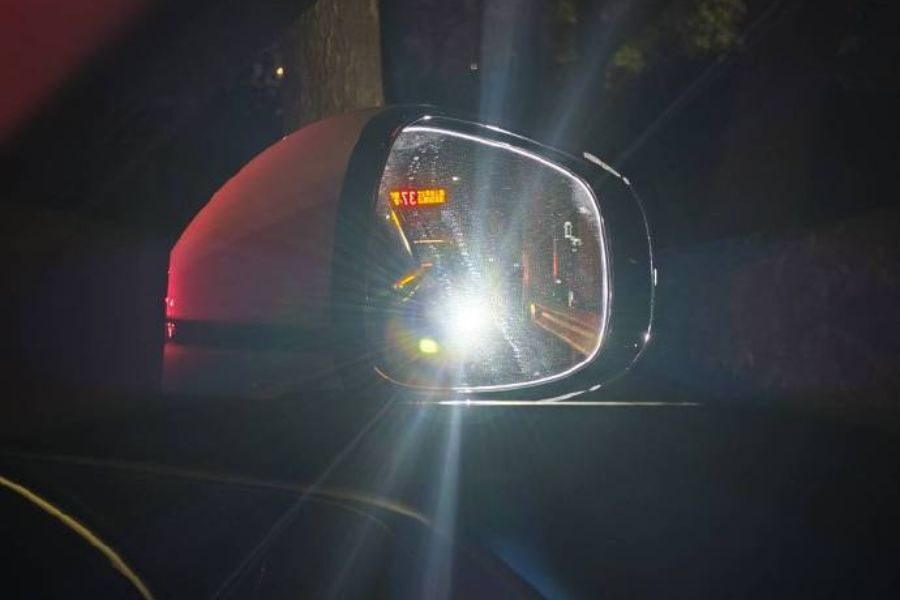
You’re driving at night, enjoying bright visibility, when you spot headlights ahead. At what distance must you lower your high beams to avoid blinding other drivers?
Answer: 500 feet. Dim your brights for oncoming cars and within 300 feet of vehicles you’re following. This ensures both safety and courtesy on dark roads.
A five-second glare from high beams at 60 mph blinds the other driver for the distance of an entire football field. That’s why beam etiquette matters so much.
15. Spot the Error: “When Turning Left, Keep Your Wheels Pointed Left While Waiting.”

You’re stopped at a green light, waiting for a gap to turn left. Your wheels are already angled. What’s wrong with that habit?
You should keep your wheels straight until it’s safe to turn. If rear-ended while turned, your car could be pushed directly into oncoming traffic.
The National Highway Traffic Safety Administration attributes hundreds of side-impact crashes annually to pre-turned wheels. A straight stance means you’re nudged forward, not sideways, in a rear-end collision.
16. True or False: It’s Legal to Drive Barefoot in the U.S.
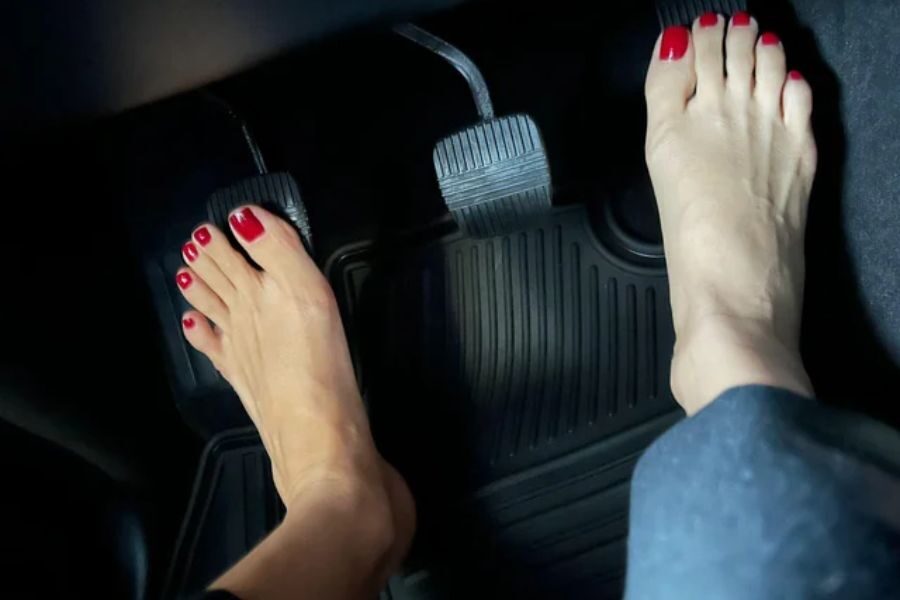
Maybe you’re heading home from the beach and your flip-flops are sandy. Can you legally drive barefoot, or could that actually get you a ticket?
True. It’s legal to drive barefoot in every U.S. state. However, safety experts caution that bare feet can slip off pedals, reducing braking control and reaction time.
This myth began in the 1970s, but no state has ever banned barefoot driving. Still, footwear with good grip—like sneakers—offers far better pedal precision than bare soles.
17. What Should You Do If Your Brakes Fail While Driving?
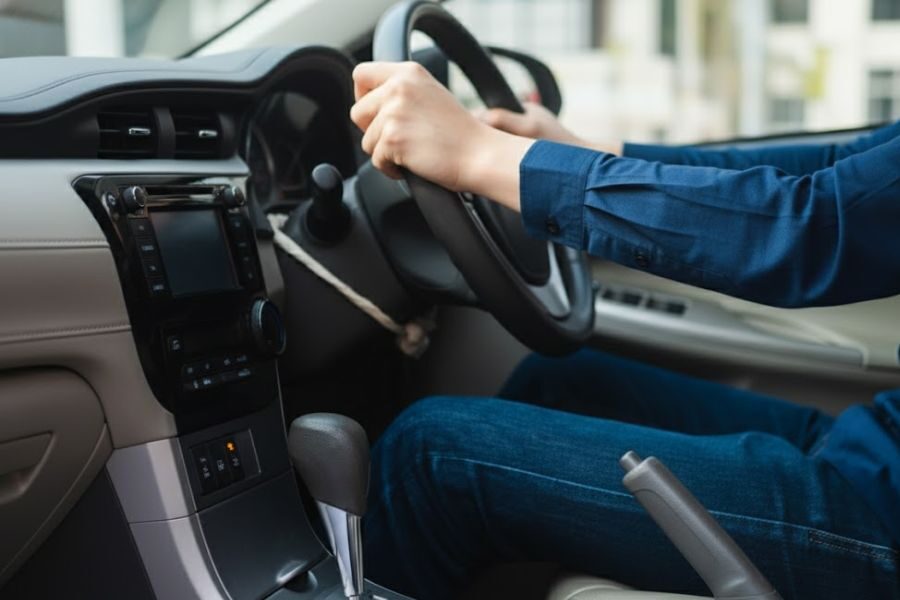
You’re on a downhill road, and suddenly your brake pedal sinks to the floor. What’s your best immediate move to slow down safely?
Downshift into a lower gear, pump the brakes to build pressure, and use the parking brake gradually. Never turn off the engine—it disables power steering and braking assistance.
Modern brake systems are dual-circuit, meaning total failure is rare. Still, experts recommend keeping a safe buffer downhill; heat fade can temporarily reduce braking strength even on new cars.
18. Fill in the Blank: When Passing Another Vehicle, You Must Return to Your Lane Before Coming Within ______ Feet of Oncoming Traffic
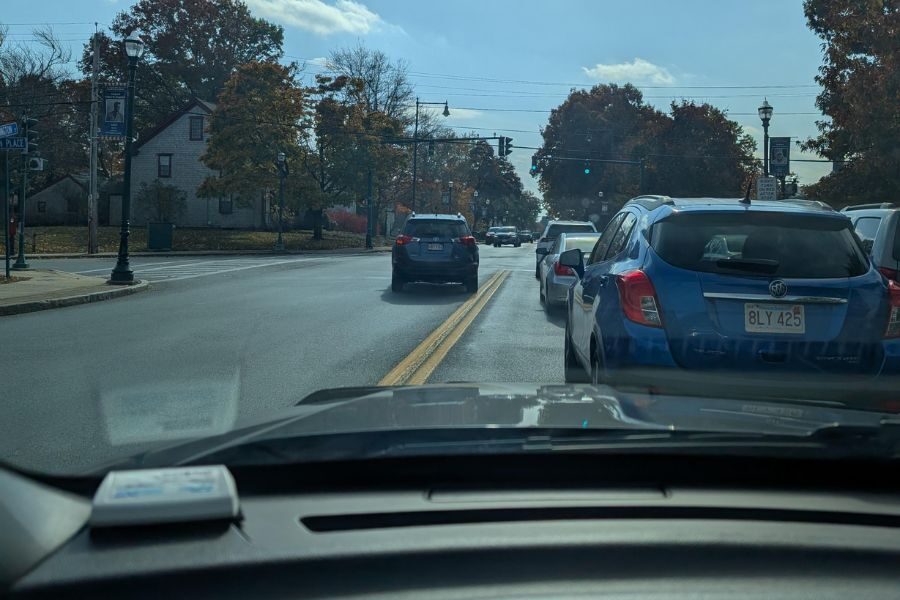
You pull out to pass a slower car on a two-lane road. How much space must you leave before merging back?
Answer: 200 feet. You must return to your lane before being within 200 feet of oncoming vehicles, giving everyone enough time and distance to react safely.
This distance rule exists because perception and braking delay can add one full second per 10 mph—a margin that’s saved countless lives on rural highways.
19. True or False: Using Cruise Control in Rain Is Safe
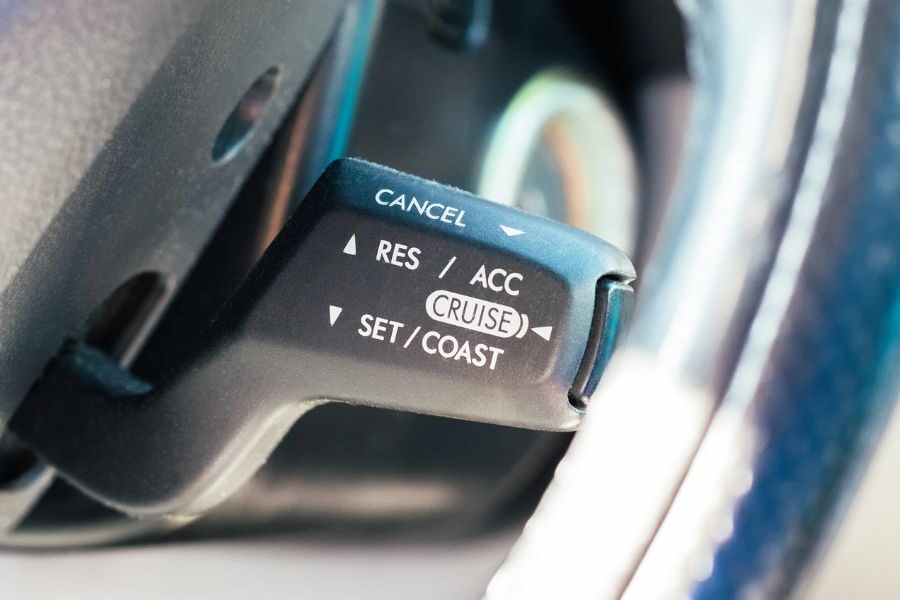
The drizzle starts, but the traffic’s light. You flip on cruise control to relax. Does that actually help, or could it be dangerous in wet conditions?
False. Never use cruise control on wet roads. It can maintain throttle during hydroplaning, preventing quick recovery and worsening the skid. Always keep manual control in slippery conditions.
In 2005, the National Safety Council linked several fatal crashes to wet-weather cruise control. The system’s reaction time simply can’t match a driver’s judgment during unpredictable traction loss.
20. What Does a Flashing Red Traffic Light Mean?
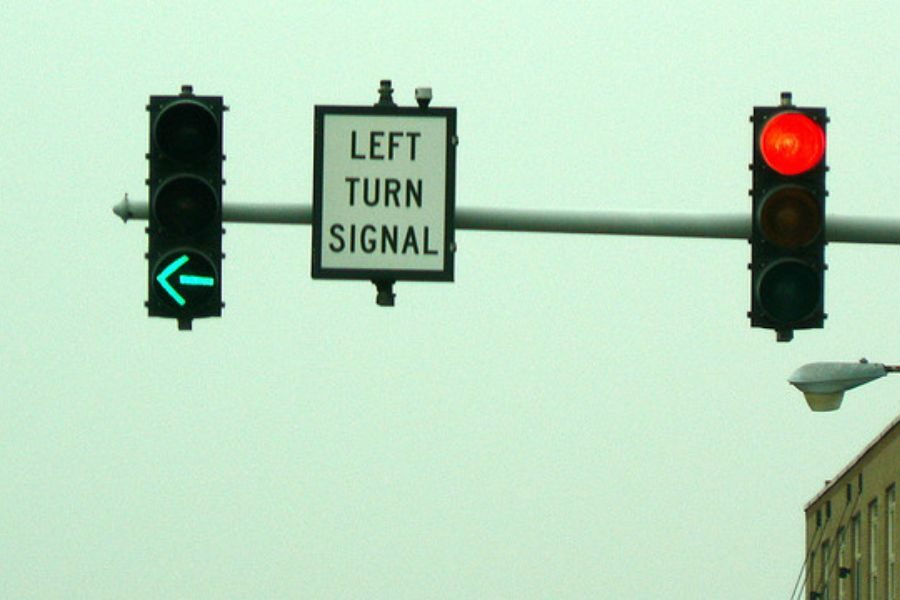
Late at night, the intersection’s signal blinks red. There’s no traffic—what’s the proper action before you cross?
Treat it like a stop sign: come to a complete stop, check for other vehicles or pedestrians, then proceed when safe. It’s not optional, even when the road seems empty.
Flashing red lights are used during power failures or low-traffic hours. They’re a simple fallback to prevent confusion when automated signals temporarily malfunction.
21. True or False: You Can Stop in a Crosswalk to Wait for Traffic
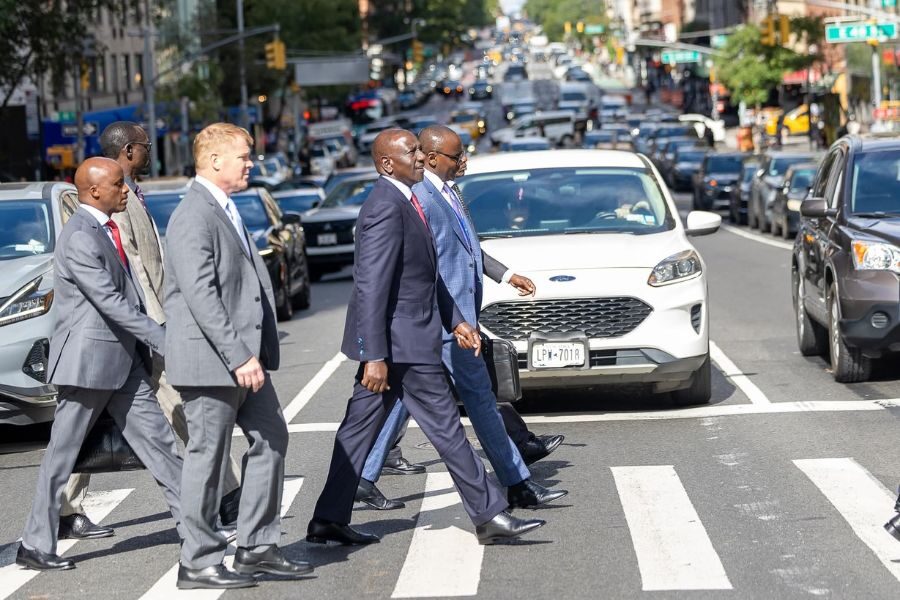
The light turns green, but pedestrians haven’t cleared the crosswalk. Can you pull halfway in and wait for them to finish?
False. Drivers must stop before the crosswalk line. Blocking it endangers pedestrians and can earn a fine. The crosswalk itself is legally considered part of the pedestrian’s right-of-way.
Some states even allow pedestrians to report vehicles blocking crosswalks through smartphone apps. Enforcement has grown as cities redesign intersections for “Vision Zero” safety goals.
22. What’s the First Thing to Do After a Minor Collision?

You bump into another car in traffic. No one’s hurt, but both vehicles are blocking a lane. What’s your first move?
Move the cars to a safe nearby area before exchanging information. It’s legal to clear the roadway after minor crashes, and it helps prevent additional accidents.
The “fender bender move-it” law exists in most states. Surveys show that clearing lanes quickly reduces secondary crashes by 20–25% on busy highways.
23. True or False: It’s Legal to Use Your Phone as a GPS While Driving
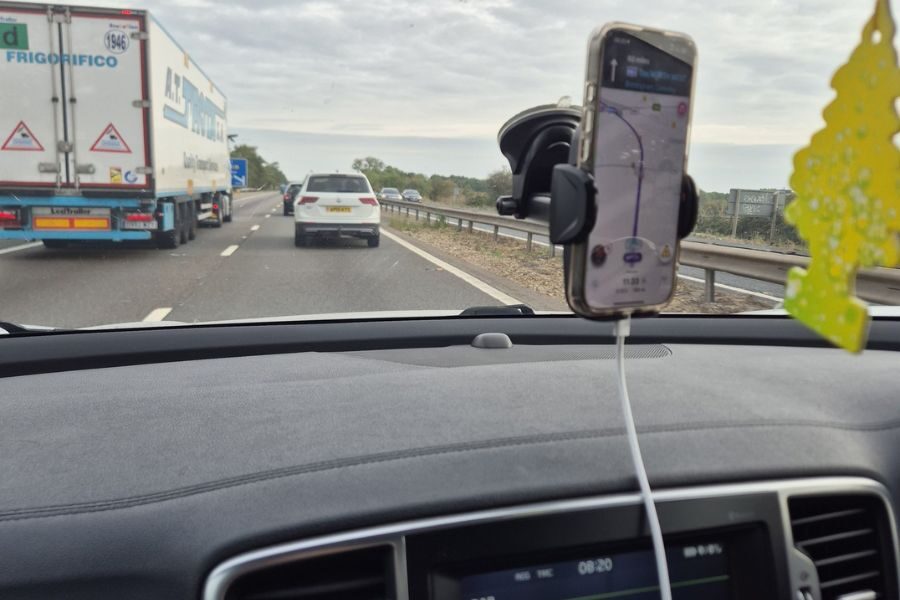
You’re navigating a new city, following directions on your phone. Is this legal, or are you breaking distracted-driving laws by even touching it?
True—with limits. You can use your phone for GPS if it’s mounted and hands-free. Holding it or typing while driving violates distracted-driving laws in nearly every state.
In 2024, over 24 states made handheld phone use illegal behind the wheel. Voice-activated GPS apps are safer alternatives that keep your hands and eyes where they belong.
24. What Should You Do If an Emergency Vehicle Approaches With Lights On?
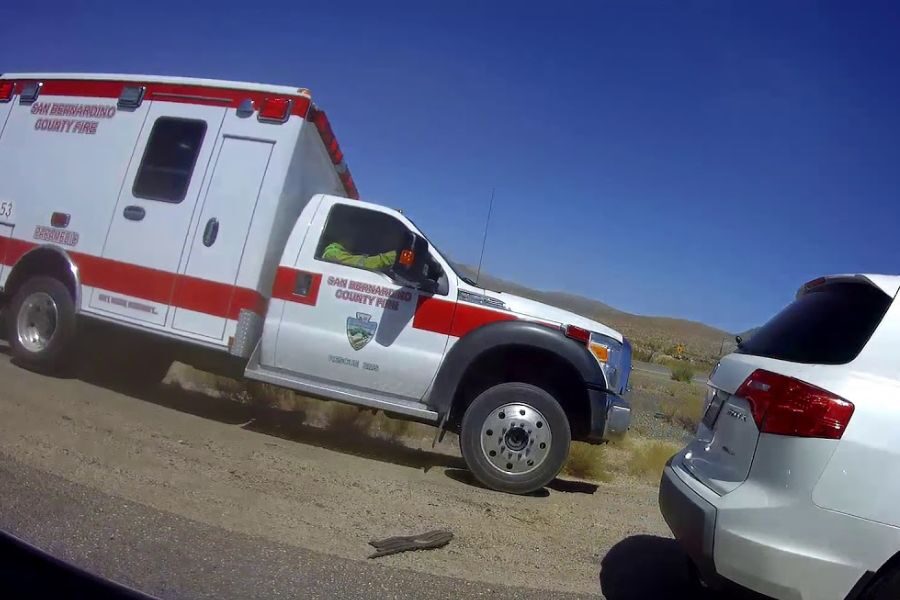
You’re driving and suddenly see flashing lights in your mirror. What’s the correct way to respond when emergency vehicles approach from behind?
Pull over to the right side of the road and stop until the vehicle passes. Never block intersections or stop in the middle of your lane.
The “Move Over” law also requires slowing or changing lanes for stopped emergency vehicles. Violating it can cost hundreds in fines—and, tragically, the lives of roadside workers.
25. Spot the Error: “When Merging Onto a Highway, Traffic Already on the Road Must Yield to You.”
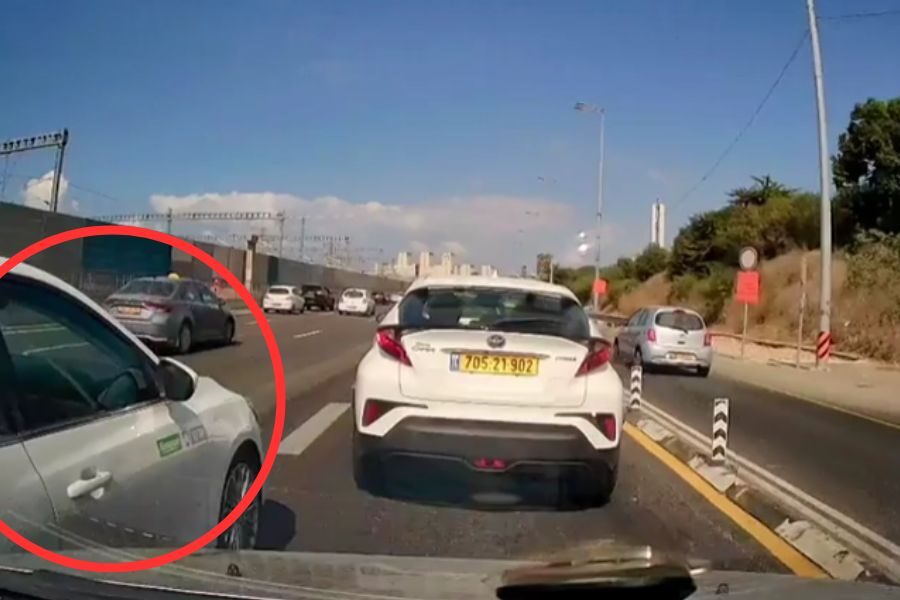
You’re on the ramp, accelerating to merge onto the freeway. Should drivers on the main road slow down to let you in automatically?
Wrong. The merging vehicle must yield to highway traffic, not the other way around. Adjust your speed to blend smoothly and avoid abrupt lane movements.
Studies show nearly 10% of freeway crashes occur at merge points. Courtesy helps, but legally, it’s your responsibility to match flow—not theirs to brake for you.
26. When Approaching a Four-Way Stop, Who Goes First?
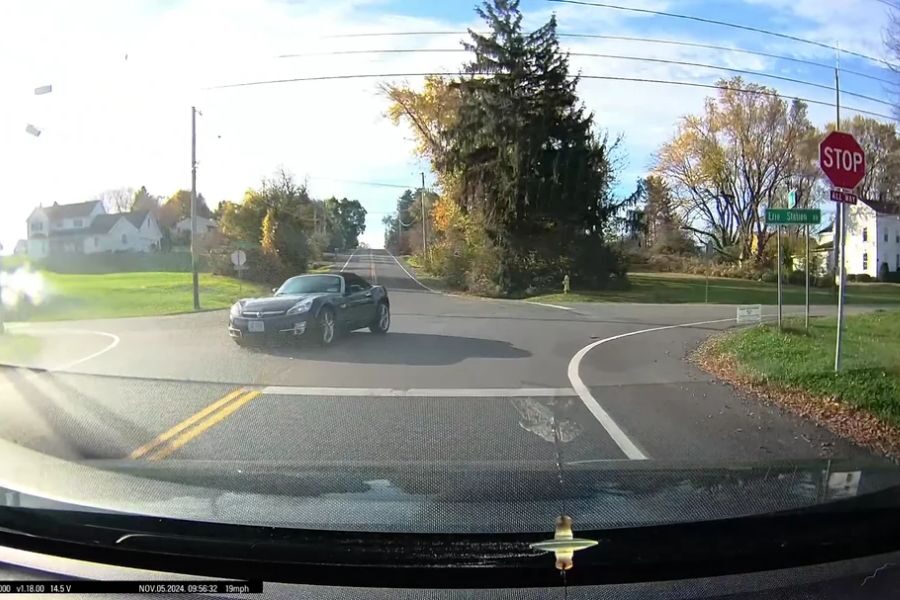
Four cars arrive at a four-way intersection simultaneously. No one waves anyone through. Who actually has the legal right of way? A.) The largest vehicle B.) The driver on the left C.) The driver on the right D.) Whoever stops first
Answer: C. The driver on the right. When multiple vehicles stop together, the one on the right proceeds first. If unclear, make eye contact and communicate intentions politely.
Four-way stop rules date back to 1928 in Kansas. Studies show confusion at these intersections often doubles crash risk when drivers rely on courtesy instead of order.
27. Spot the Error: “You Can Park in Front of a Driveway if You Stay in the Car.”
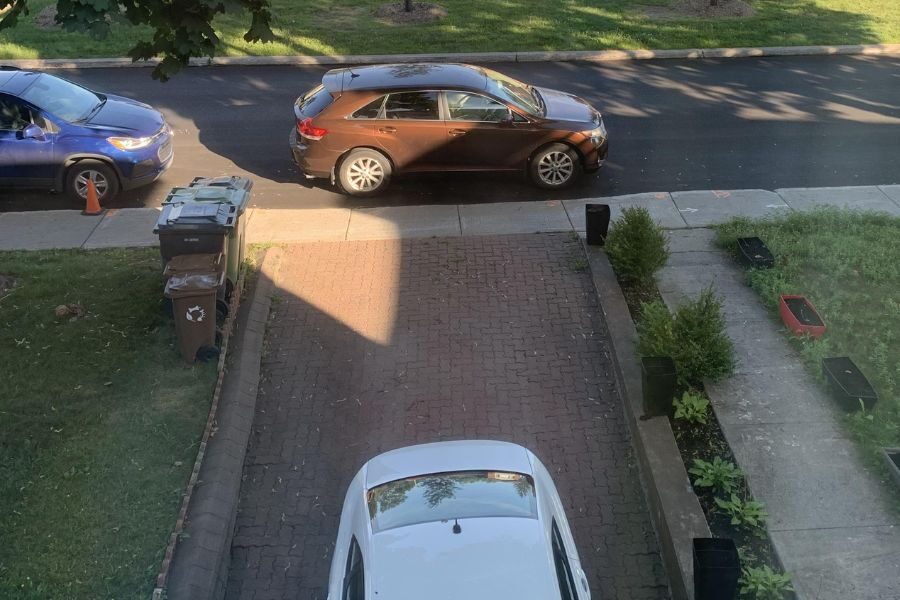
You’re idling in your car waiting for someone, blocking a driveway. You’re inside, engine running. Seems harmless enough, right?
The word “if” is wrong—it’s never legal to block a driveway, even temporarily. Occupied or not, that’s obstruction, and it’s ticket-worthy in every state.
City parking enforcement officers love this one; blocking driveways remains among the most reported neighborhood violations. It’s not patience that’s tested—it’s someone else’s right to access their property.
28. Fill in the Blank: At 55 mph, It Takes About ______ Feet to Stop
You’re driving on the highway, maintaining the speed limit. A deer suddenly appears. How much distance do you actually need to stop completely?
Answer: About 400 feet—that’s more than the length of a football field. Braking distance increases exponentially with speed, and road conditions can make it even longer.
Reaction time alone adds roughly 60 feet before braking begins. That’s why tailgating is so dangerous—no one can rewrite physics in an emergency.
29. What’s the Meaning of a Blue Curb?
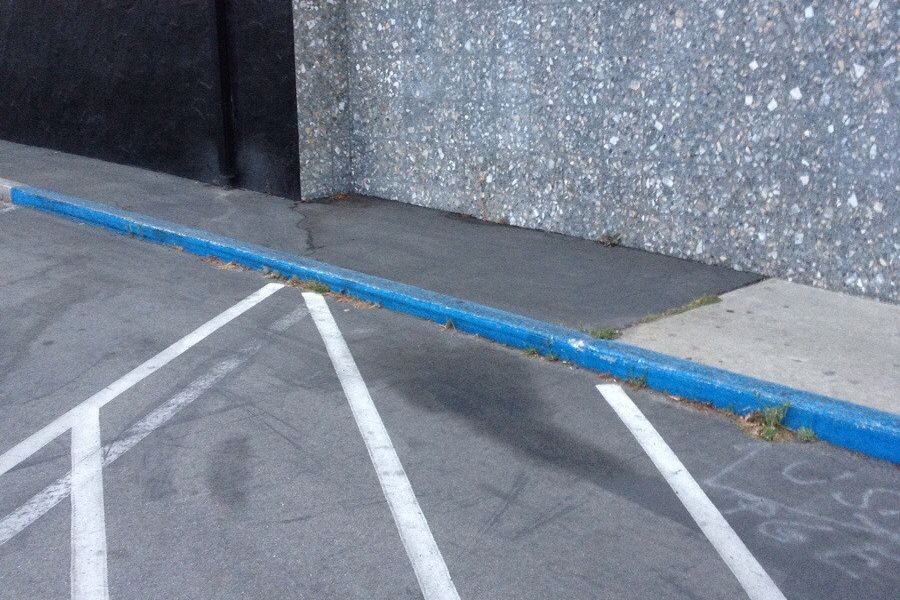
You’re parking downtown and see a bright blue curb marking. What does it mean?
A.) Commercial loading B.) Disabled parking C.) Short-term only D.) No stopping anytime
Answer: B. Disabled parking only. Blue curbs are reserved for vehicles with valid disability placards or plates. Unauthorized parking there can lead to heavy fines or towing.
Blue curbs became standardized in the 1960s under the Uniform Traffic Control guidelines. Some cities even use raised tactile markers to improve accessibility for visually impaired pedestrians.
30. True or False: You Should Use Your Horn to Warn a Slow Driver Ahead
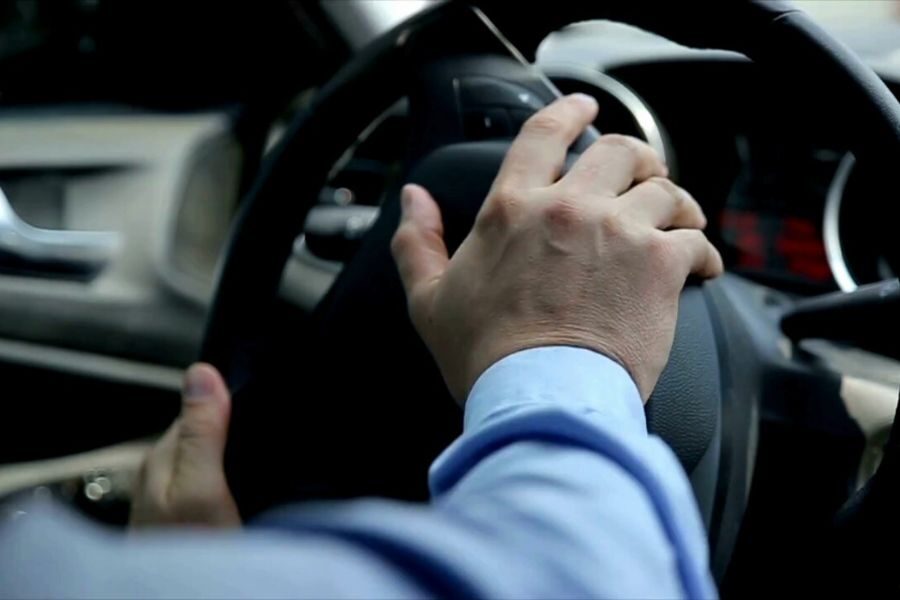
You’re behind a car going 10 mph under the limit. Should you honk to remind them that the light’s green or the speed’s too low?
False. The horn is for emergencies only—like preventing a collision. Honking out of impatience or frustration can be ticketed as aggressive driving or noise disturbance.
Fun fact: The first car horns were hand-pumped rubber bulbs. Electronic horns arrived in 1908—and so did the first “unnecessary horn use” laws.
31. Multiple Choice: What Does a Red Reflector on the Road Indicate?

You’re driving at night and spot red reflectors embedded in the pavement. What does that signal mean? A.) Exit ahead B.) Wrong direction C.) Railroad crossing D.) Lane merge
Answer: B. Wrong direction. Red pavement markers face opposite traffic to warn you you’re going the wrong way. If you see them, immediately pull over and correct course.
Engineers designed red reflectors specifically to prevent head-on collisions on dark rural highways. They’ve saved thousands of lives by visually shouting “Turn around!” before disaster strikes.
32. Fill in the Blank: Children Under Age ______ Must Ride in a Properly Secured Car Seat
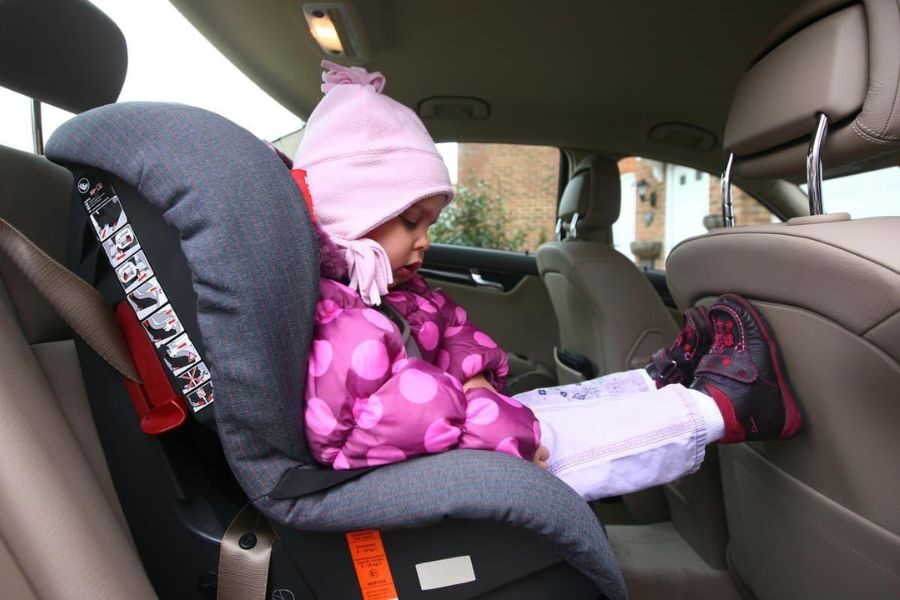
You’re babysitting and driving your friend’s toddler. What’s the minimum age for using a car seat under federal child-safety laws?
Answer: Eight years old, or until the child reaches the height and weight threshold for a seat belt. Each state enforces slightly different details, but safety remains universal.
Child car seats reduce fatal injuries by 71% for infants and 54% for toddlers. Safety inspectors recommend checking seat expiration dates—yes, they actually expire!
33. True or False: It’s Legal to Pass on the Right Shoulder
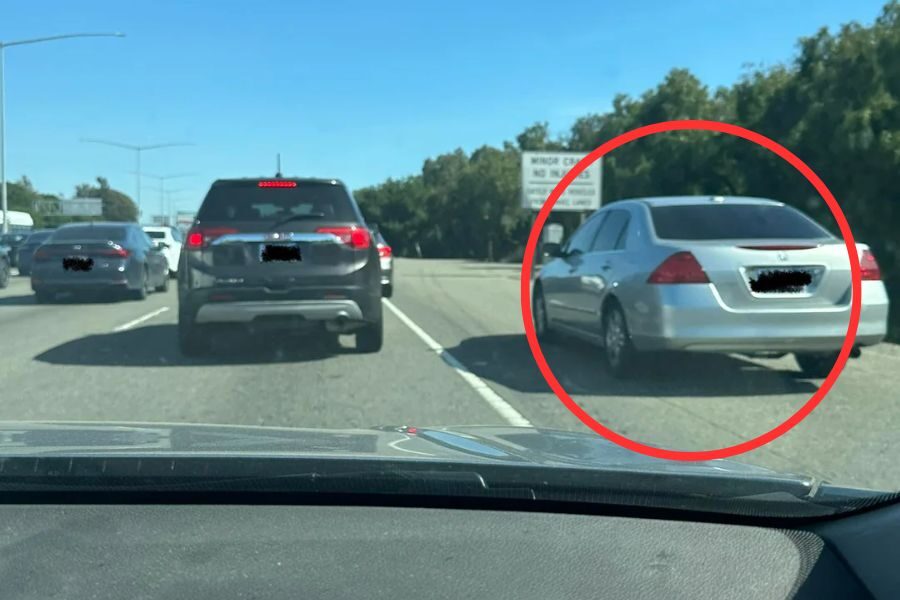
You’re stuck behind a turning car, and the right shoulder looks clear. Can you slip by to save time?
False. Shoulders are for emergencies only. Passing on the right shoulder is illegal and extremely dangerous, especially when cyclists or stalled vehicles might occupy that space.
One of the most common highway deaths involves illegal shoulder passing. Even experienced drivers underestimate how quickly debris or hidden vehicles appear beyond lane boundaries.
34. Multiple Choice: When Should You Use a Center Left-Turn Lane?
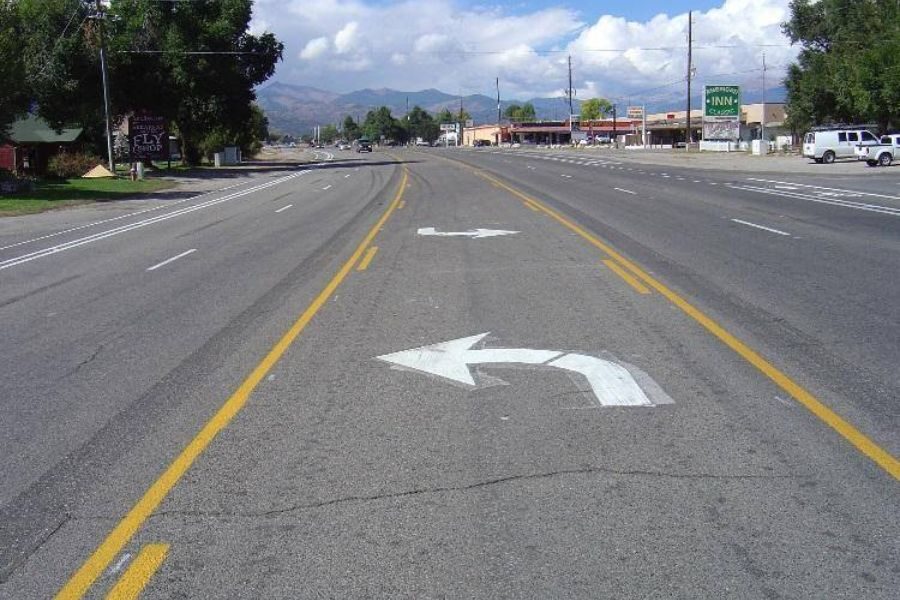
You approach a road with a shared center lane marked by double yellow lines and arrows. When can you use it? A.) To merge B.) To pass C.) To turn left D.) For parking
Answer: C. To turn left only. Use it briefly before turning—never to merge, accelerate, or pass. Stay no longer than necessary to complete your maneuver safely.
These “suicide lanes” earned their nickname from misuse in the 1960s. Properly used, they improve traffic flow; improperly used, they cause head-on collisions.
35. Spot the Error: “Bicyclists Must Stay Off Public Roads When Cars Are Present.”
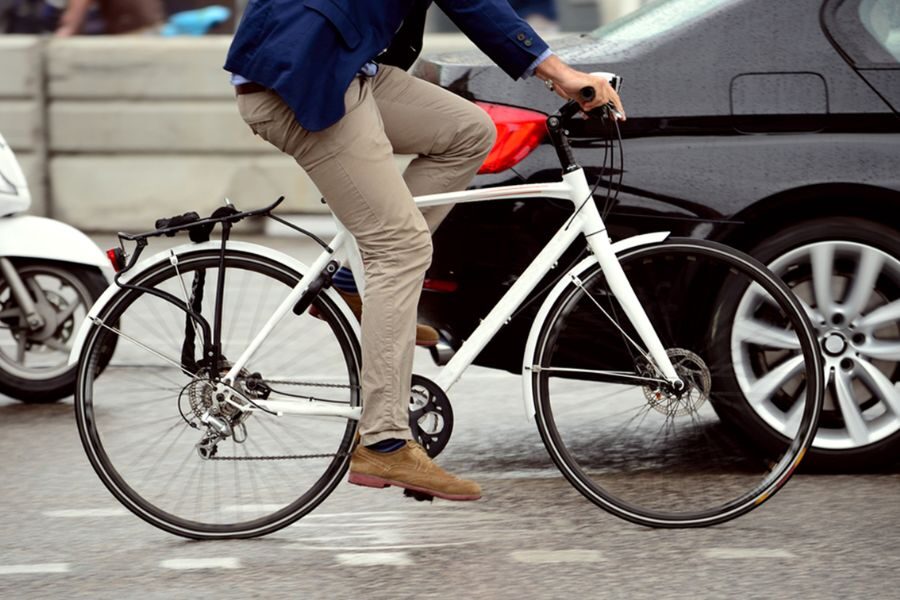
You’re driving downtown and see a cyclist in the lane. Many assume bikes belong only on sidewalks. What’s wrong with that idea?
Bicyclists are legal road users in every state. They have the same rights and responsibilities as drivers. Cars must give at least three feet when passing.
Bike-lane laws began expanding nationally after 1974. Today, states like Oregon fine drivers up to $1,000 for unsafe cyclist passes—proof that respect and space save lives.
36. Multiple Choice: When Driving Downhill, What Gear Should You Use?

You’re descending a long mountain road. Your brakes start to smell. Which gear helps control your speed safely? A.) High B.) Neutral C.) Low D.) Overdrive
Answer: C. Low gear. Downshifting uses engine compression to slow the car, preventing brake overheating. Coasting in neutral removes this control and increases stopping distance.
Truckers call it “using the mountain gear.” Some roads even post signs: “Stay in Low.” Engine braking can reduce wear by up to 80% on steep grades.
37. Fill in the Blank: A Broken White Line Separates Lanes Moving in the ______ Direction
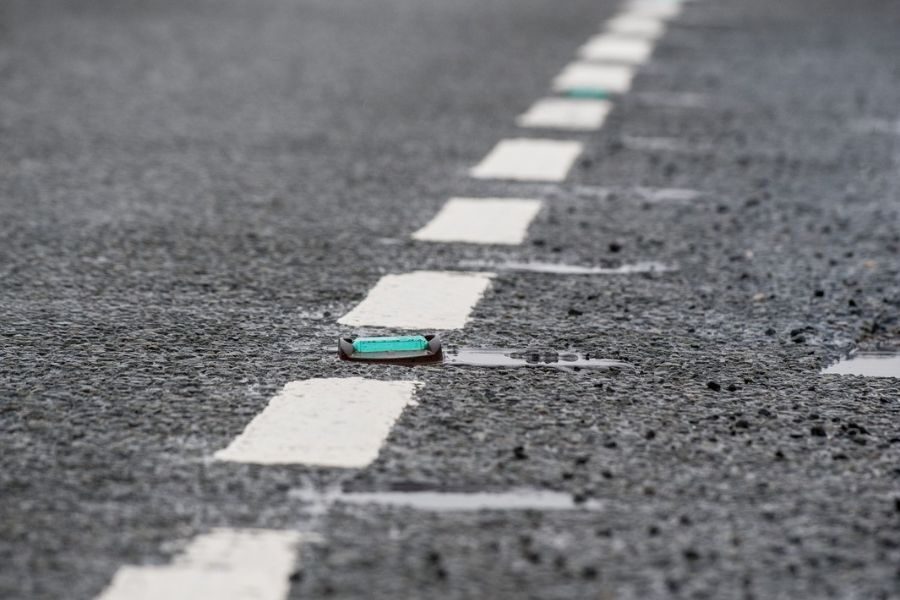
You’re on a multilane highway divided by dashed white lines. What does that pattern mean about traffic flow?
Answer: Same direction. You may safely change lanes when it’s clear. Solid white lines, by contrast, discourage lane changes but don’t always prohibit them entirely.
This rule dates to the 1950s Federal Highway Standardization Act, which unified road markings nationwide. Before that, line colors varied wildly by region, confusing travelers.
38. True or False: It’s Legal to Drive in the Left Lane at the Speed Limit

You’re on the freeway, matching the posted limit in the left lane. Cars pile up behind you. Are you in the right—or blocking traffic?
False. The left lane is for passing only in most states. Even at the speed limit, you must yield to faster traffic approaching from behind.
“Keep right” laws exist in all 50 states. Studies show that enforcing them reduces rear-end collisions and road rage incidents by nearly 15%.
39. Spot the Error: “You Should Pump Anti-Lock Brakes During an Emergency Stop.”
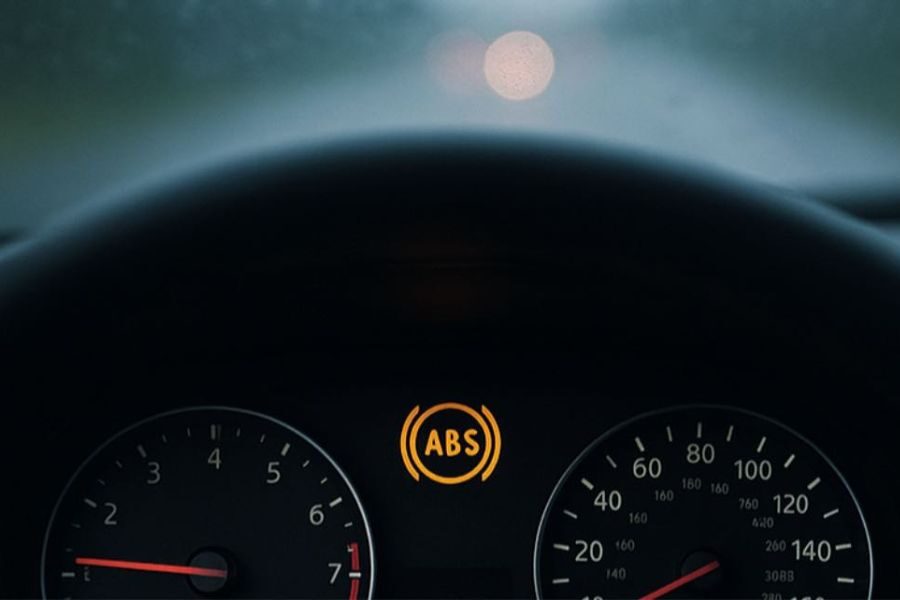
A deer darts out at night. You slam the brakes. Should you pump them to avoid locking the wheels?
That advice is outdated. Never pump ABS brakes. Just press firmly and steer. The system automatically pulses to prevent skidding and maintain traction.
ABS became mandatory on U.S. passenger cars in 2013. It can shorten stopping distances by up to 20% on wet pavement compared to traditional brakes.
40. Multiple Choice: When Approaching a Railroad Crossing Without Signals, What Should You Do?
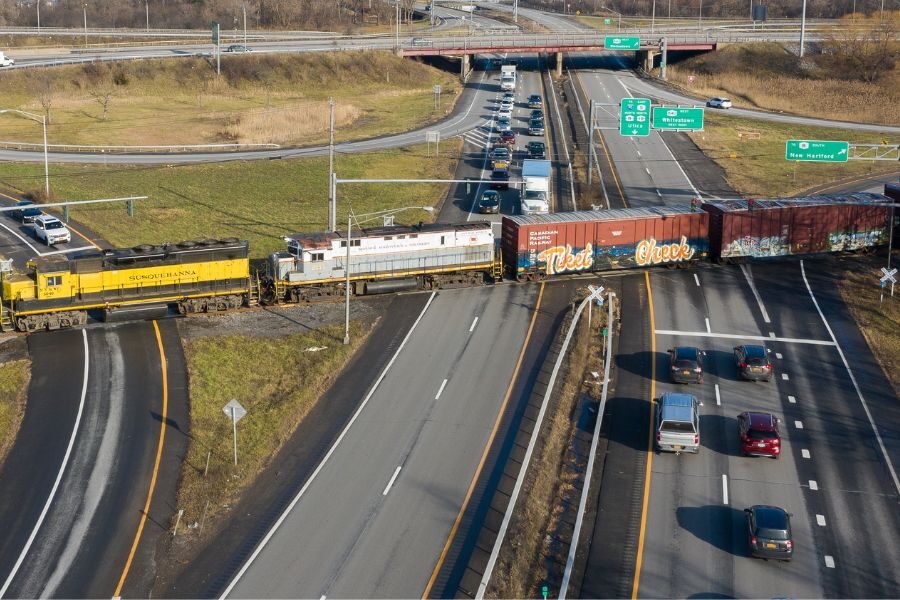
You see train tracks ahead, but no flashing lights or gates. What’s the safest procedure?
A.) Accelerate across B.) Slow, look, and listen C.) Stop on tracks briefly D.) Honk before crossing
Answer: B. Slow, look, and listen. Always check both directions and proceed only if no train is approaching. Never stop directly on the tracks.
Trains can appear deceptively slow but cover a mile in under a minute. Engineers say the average freight train needs over a mile to stop completely.
41. True or False: You May Legally Wear Headphones While Driving
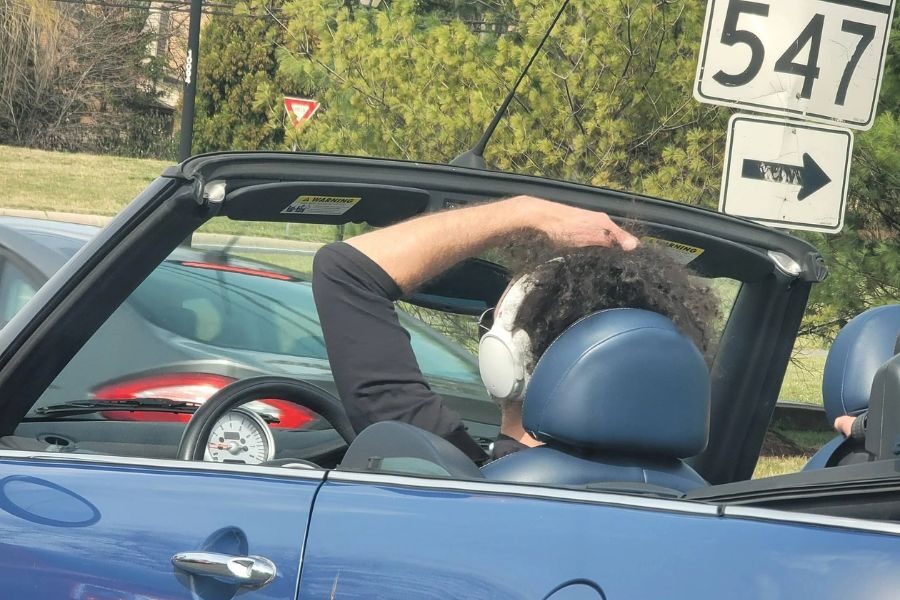
You’re cruising with your favorite playlist in both ears. The music helps focus—but does the law agree?
False. Most states prohibit wearing headphones in both ears while driving. It limits awareness of sirens, horns, and approaching vehicles. One earbud is usually permitted.
California, New York, and other states issue tickets for “obstructed hearing.” Even bone-conduction models can muffle key frequencies, masking emergency cues that save seconds in reaction time.
42. Fill in the Blank: Headlights Must Be Turned On From ______ After Sunset to ______ Before Sunrise
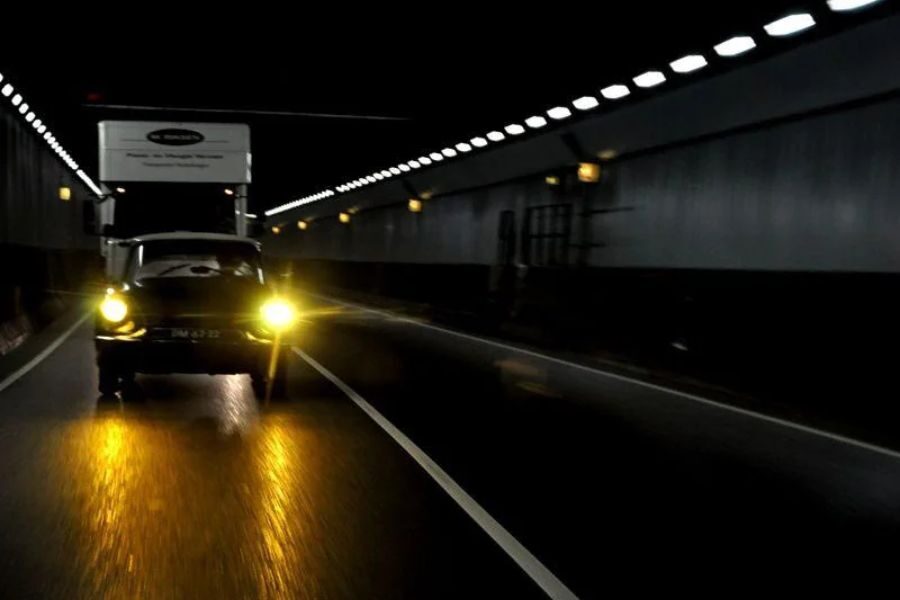
Driving late? The law requires lights during specific hours. What’s the exact time window?
Answer: From half an hour after sunset until half an hour before sunrise. This ensures visibility during dusk and dawn, when ambient light deceives depth perception.
These time windows were standardized nationally in 1979, after crash data revealed twilight driving was nearly twice as deadly as full-night conditions.
43. Multiple Choice: What’s the Maximum Blood-Alcohol Concentration (BAC) Allowed for Drivers Over 21?
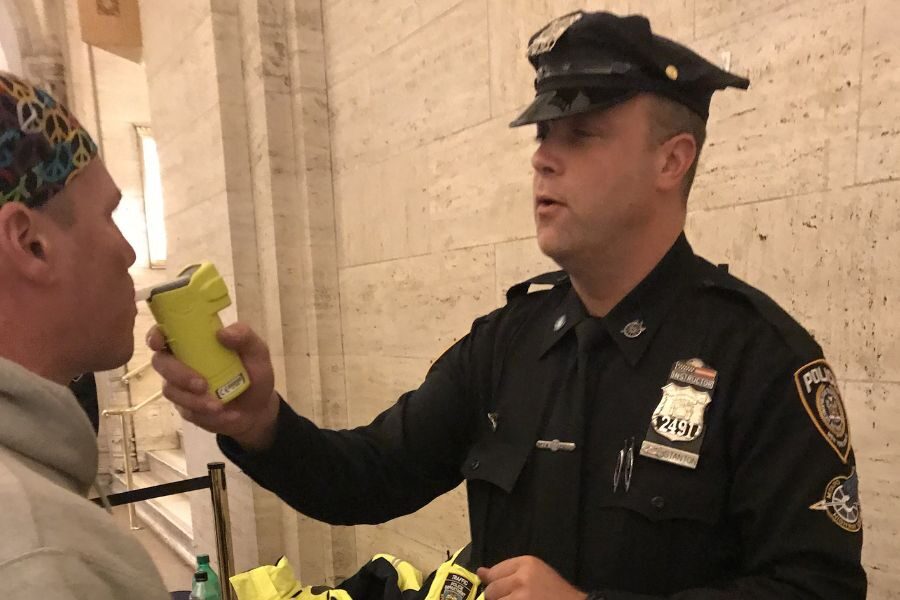
A friend insists one more drink is fine. What’s the national legal limit?
A.) 0.05% B.) 0.08% C.) 0.10% D.) 0.12%
Answer: B. 0.08%. Anything above that is considered legally impaired in all U.S. states. Some, like Utah, enforce stricter 0.05% limits.
Even at 0.05%, reaction times slow measurably. The “0.08 rule” became a federal standard in 2000, cutting alcohol-related deaths by thousands annually.
44. True or False: If You Miss Your Exit, You Can Reverse on the Shoulder
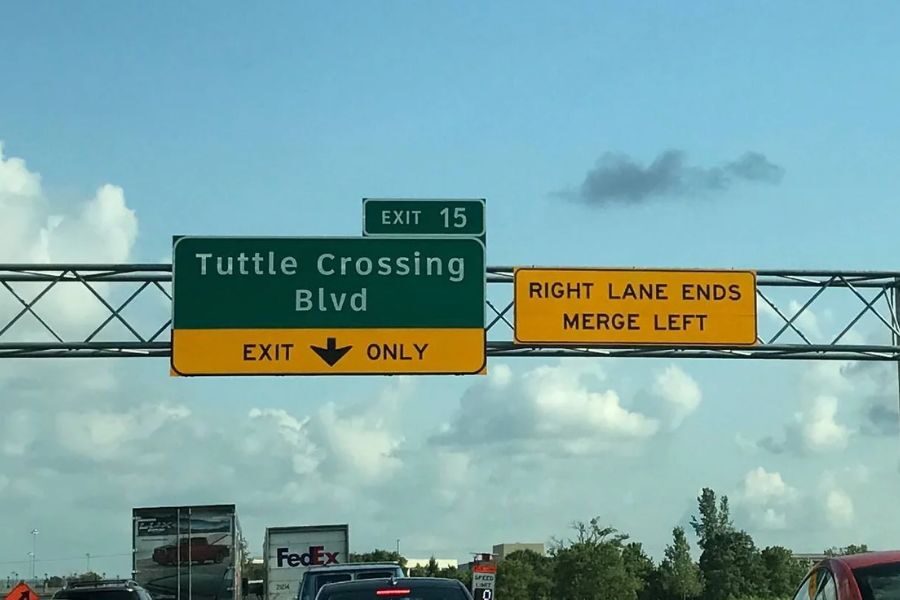
You overshoot your freeway exit and spot the ramp behind you. No one’s coming. Can you back up a little to reach it?
False. Reversing on a highway shoulder is illegal and deadly. Always continue to the next exit and circle back.
Highway patrol data show over 300 annual fatalities from drivers reversing on interstates. One missed exit is never worth a life-threatening maneuver.
45. Spot the Error: “It’s Okay to Leave Your Engine Running While Refueling.”
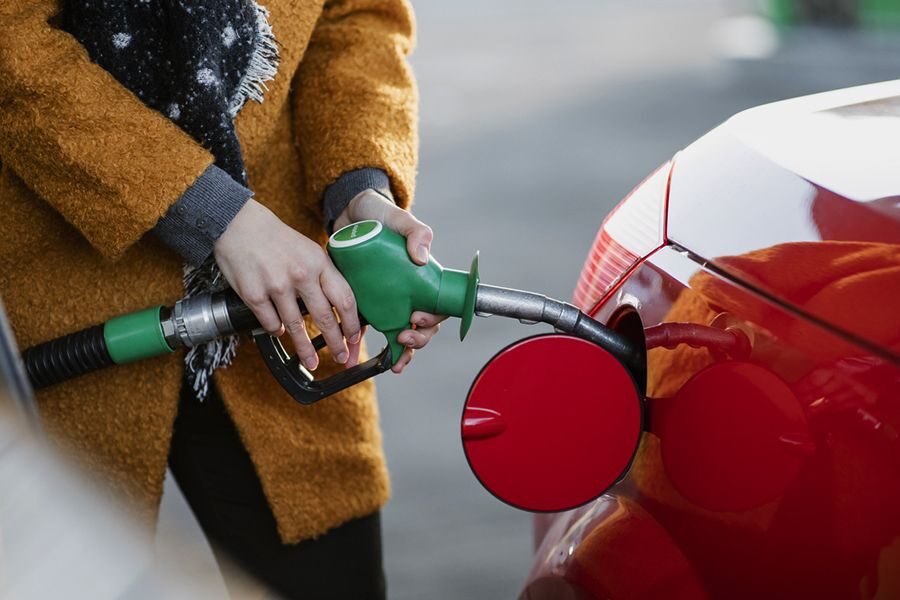
You’re in a rush and want to keep your air-conditioning on at the pump. Seems efficient, right?
Wrong—gasoline vapors plus running engines equal fire risk. Turn off the ignition before refueling, and never re-enter your car mid-fill to avoid static buildup.
The U.S. Fire Administration documents dozens of fuel-pump fires annually caused by static discharge. One spark in dry air can ignite vapors instantly.
46. Multiple Choice: When Should You Use Your Parking Brake?
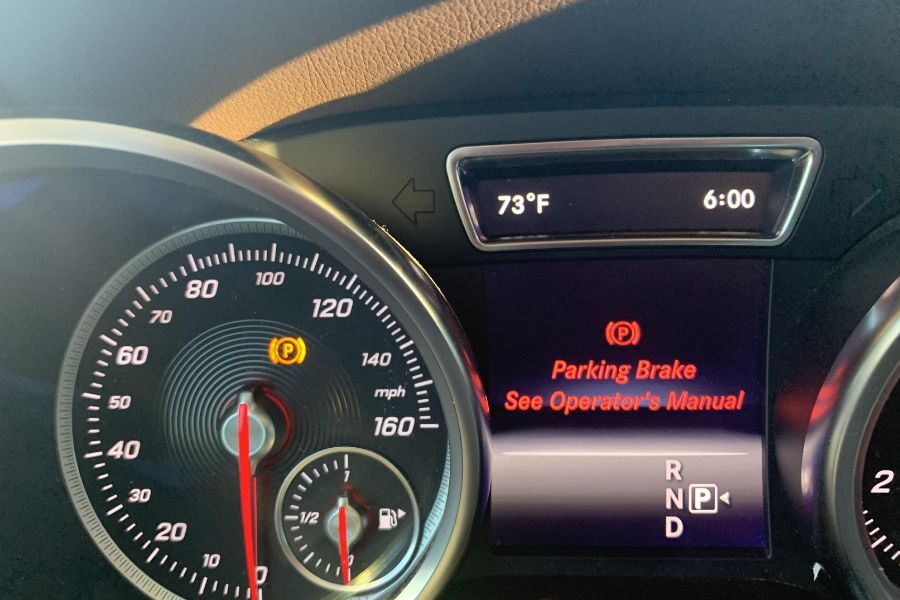
You park on a flat driveway and wonder—should the parking brake still be engaged?
A.) Only on hills B.) Only with manual cars C.) Always D.) Never indoors
Answer: C. Always. The parking brake prevents roll-away accidents even on level surfaces. It also eases pressure on the transmission, prolonging vehicle life and safety.
Modern cars use electric parking brakes, automatically activating when parked. Engineers call it “belt and suspenders” safety—redundant systems that stop a two-ton vehicle from moving an inch.
47. True or False: You Must Stop for a Funeral Procession
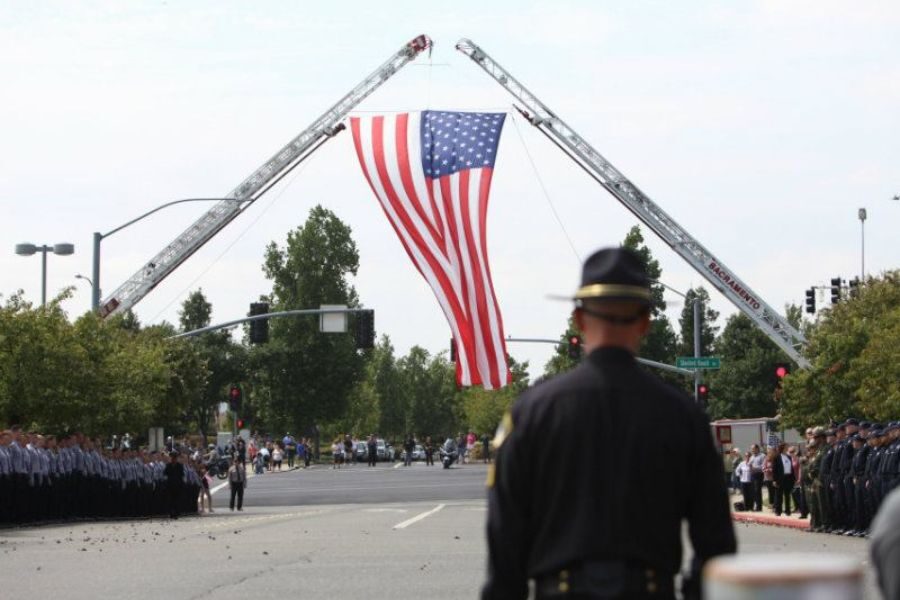
You approach a green light as a line of cars with headlights and flags passes slowly through. Should you yield or continue?
True. Most states require yielding to funeral processions, even if your light turns green. Interrupting one can result in fines and is widely viewed as disrespectful.
This tradition dates back to horse-drawn hearses in the 1800s. Modern laws preserve it out of courtesy—and safety, since convoys often move unpredictably through intersections.
48. Fill in the Blank: When Driving Through a Work Zone, Fines Are Usually ______

You spot orange cones and workers ahead. You lower your speed—but how severe are the penalties if you don’t?
Answer: Doubled. Work zone fines typically double to protect crews. Even minor speeding violations can result in heavy penalties when workers or equipment are present.
The Federal Highway Administration reports that nearly 80% of work zone fatalities involve drivers, not workers. Slowing down protects everyone, including you.
49. Multiple Choice: What Should You Do If Your Accelerator Sticks?
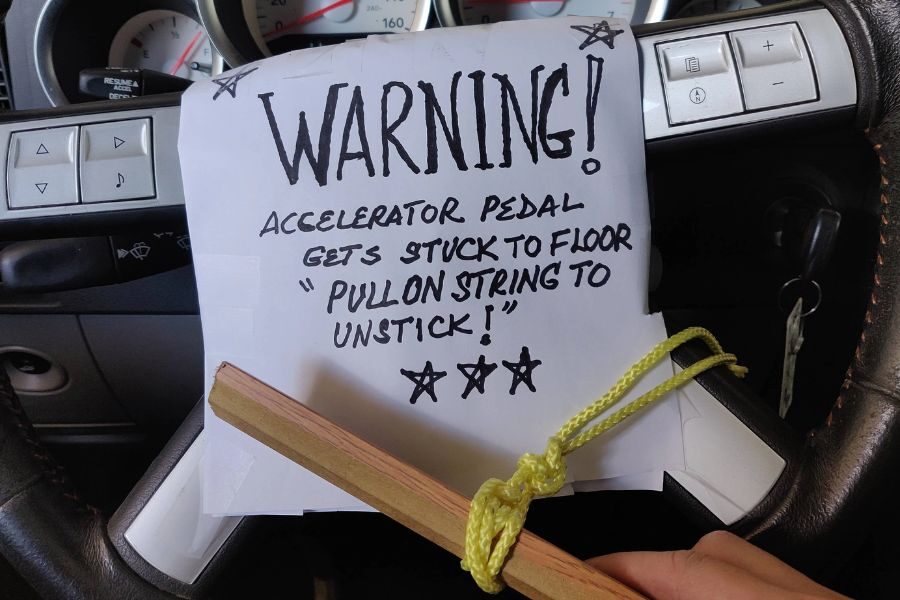
You’re driving and suddenly the gas pedal jams. What’s your safest move? A.) Turn off ignition immediately B.) Pump the brakes hard C.) Shift to neutral D.) Pull parking brake
Answer: C. Shift to neutral. Then steer safely to the roadside and shut off the engine. Turning off the car while moving locks the steering and braking.
Throttle jams are rare but terrifying. In 2010, Toyota recalled over 9 million vehicles for pedal malfunctions—proof that knowing quick responses matters.
50. True or False: Flashing Headlights to Warn Others About Police Ahead Is Illegal Everywhere

You see oncoming drivers flashing headlights to warn of a speed trap. Is that act universally banned?
False. In many states, courts ruled headlight flashing as free speech, not obstruction. However, some states still penalize it under “interfering with law enforcement” clauses.
In 2014, a Missouri driver won a lawsuit defending the practice. The ruling helped cement headlight flashing as legal “communication,” though legality still varies by jurisdiction.
🚦 Results: So… Do You Actually Deserve Your License?
You’ve crossed the finish line—nicely done! Time to tally your score! Remember, honesty counts more than lucky guesses. 0–20 Correct: Looks like it’s time to revisit that DMV handbook. Even your GPS might be sweating. But hey, at least you’re aware of what to brush up on before hitting the road.
21–40 Correct: Impressive! You’re the friend everyone trusts for driving advice — and probably the one correcting others’ turn-signal habits. Just remember: even pros need refreshers every now and then.
41–50 Correct: Flawless. You’re the rare driver who actually remembers (and follows) the rules. You deserve your license, a spotless record, and maybe even your own parking spot labeled “Iconic.”
