

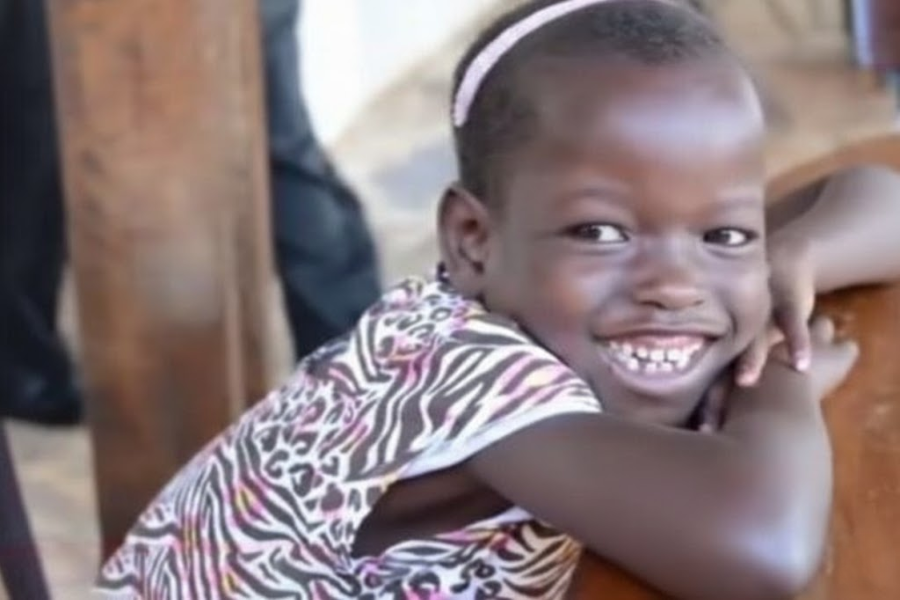
Some stories begin with a spark of goodness—and end somewhere no one expects. In a quiet Ohio kitchen, the couple Jessica and Adam Davis looked across the dinner table at their four children and felt an ache they couldn’t explain. Not for more, but for meaning. “We wanted to make a difference,” Jessica would say later. “To give what we had to a child who needed it.” Guided by faith, compassion, and the promise of doing right, they opened their hearts to adoption. They had no idea how far love—and truth—would take them..
Love Feels Incomplete
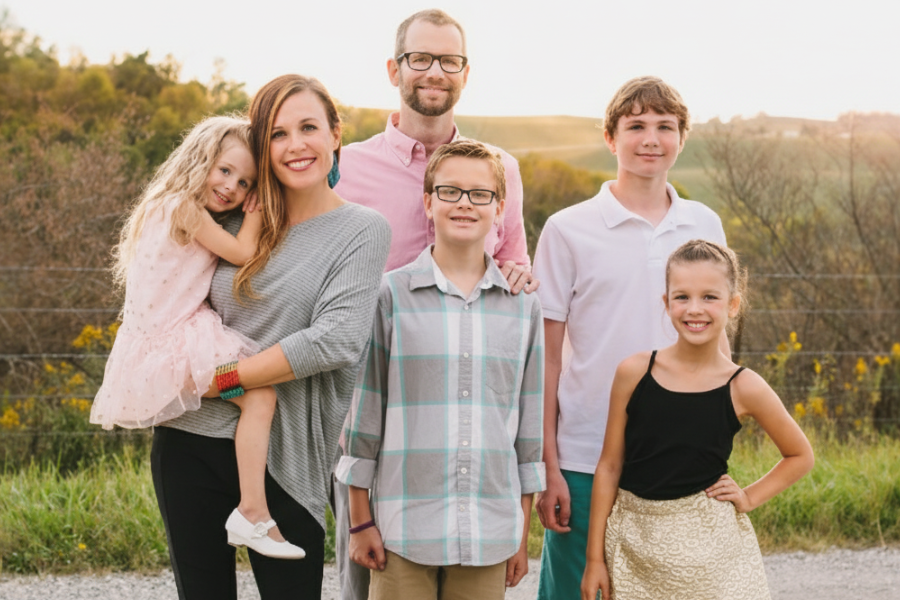
Jessica and Adam Davis had four healthy children and a warm Ohio home. Yet at night, Jessica felt an ache she couldn’t name.
“This isn’t about wanting more,” she told Adam. “It’s about sharing what we have.” Adoption felt like a calling, not an expansion.
Friends were supportive but puzzled. Jessica didn’t care. She pictured one unknown child at their table and thought: this is how we’ll make a difference.
One Statistic Changed
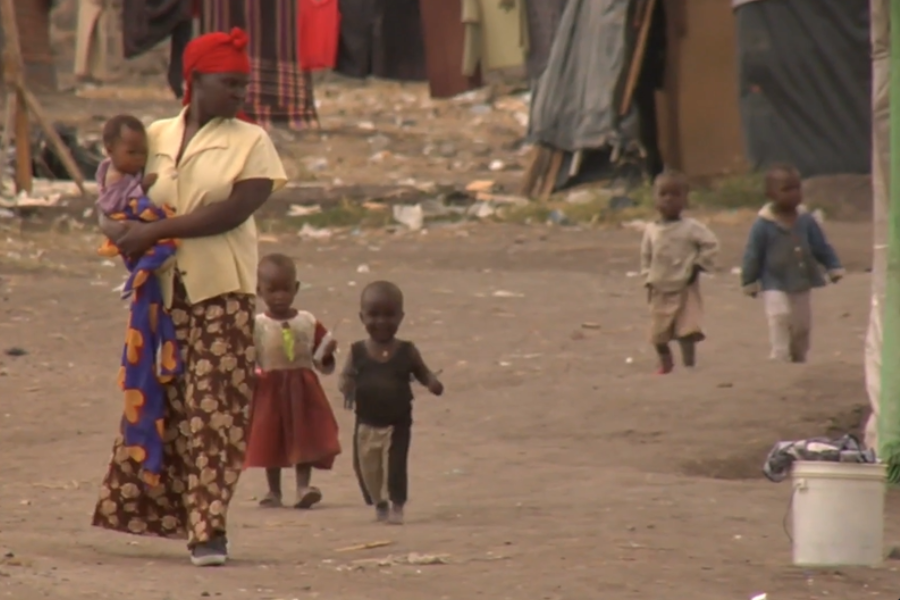
Jessica stumbled on a line she couldn’t shake: “Nearly three million orphans live in Uganda.” It felt like a plea written just for her.
She brought it to Adam over coffee. He listened, nodded slowly, and said yes. Their hearts had already chosen a country they’d never seen.
That number turned Uganda into more than a name. It became a map dotted with invisible children waiting for them to come.
Not Just Growth
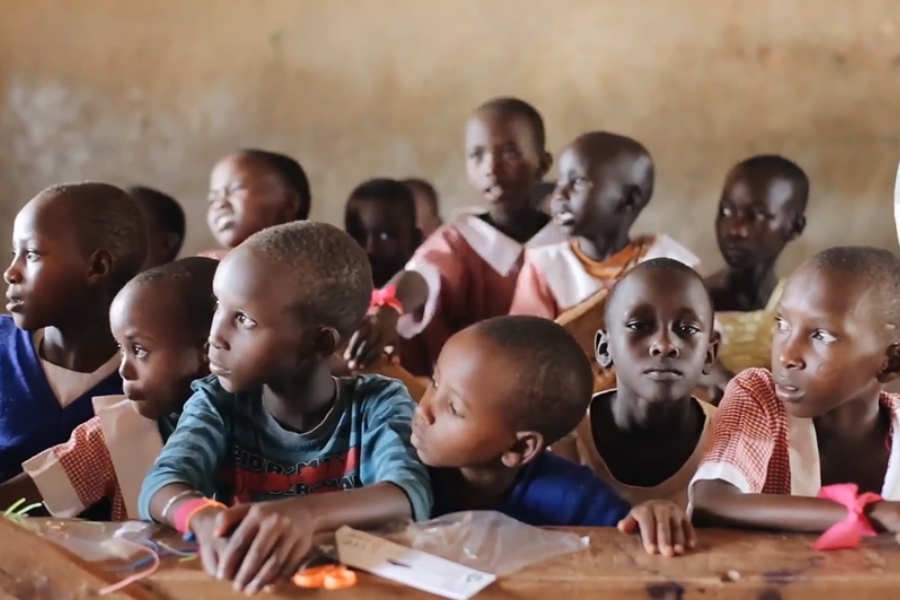
Jessica kept repeating: “This isn’t about growing our family.” She had four kids already. This was about generosity, not filling a gap.
They researched agencies late at night, convinced diligence would protect them from wrongdoing. Every click felt like progress.
Locals asked why not adopt at home. Jessica answered simply: “The need abroad feels greater.” She pictured a lonely child finally sleeping safely in their guest room.
Eyes On Uganda
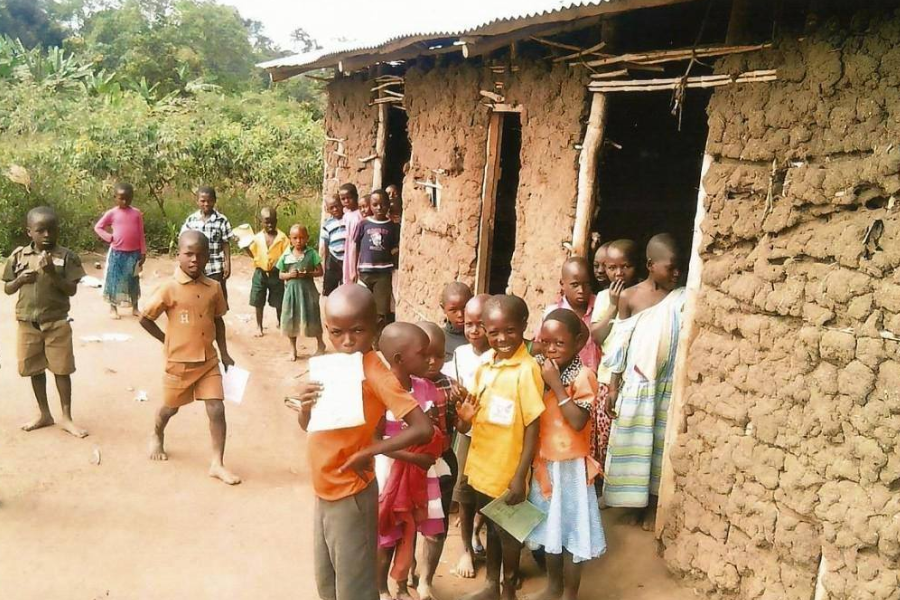
By 2013, paperwork dominated their dining table—fingerprints, background checks, endless forms. Jessica joked they could wallpaper the house with it.
Uganda became more than a place; it was a mission. “We thought we were saving someone,” she later reflected, “but someone would need saving from us.”
They signed every line believing it was honest. In truth, the first cracks were already hidden in the fine print.
The Paper Mountain

Stacks of forms, notarized statements, and passports cluttered their life. Each signature felt like a tiny step toward a child they couldn’t yet see.
Tens of thousands of dollars went out in wire transfers. It was costly, but they reasoned: what price can you put on a life?
They believed thoroughness meant safety. In reality, it made them perfect customers for a system thriving on appearances.
A Girl Named
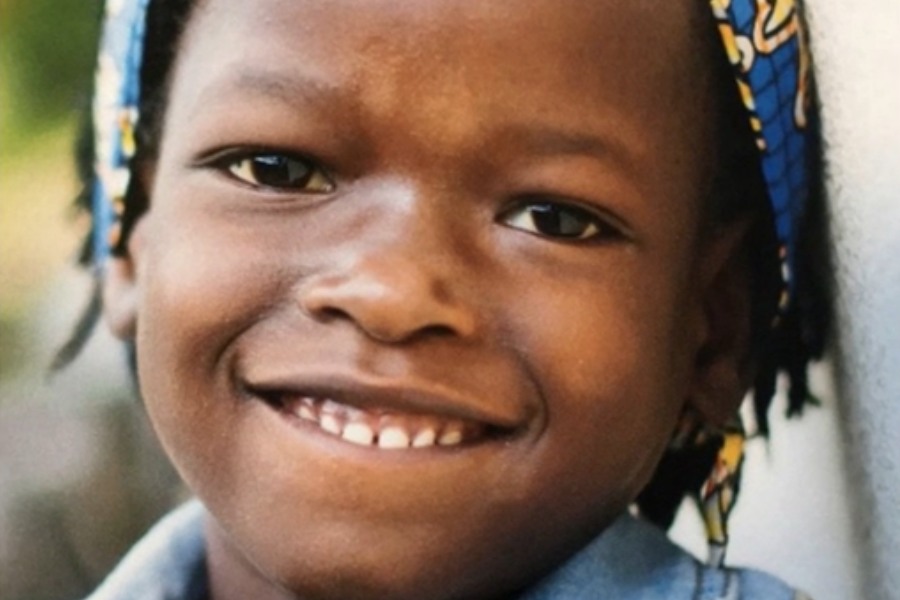
One evening the phone rang. The agency had found a child—five-year-old Namata.
Jessica pressed the phone to her chest. “This is her,” she whispered. They were told Namata’s father was dead, her mother abusive, and she’d never been to school.
The Davises prayed over her name. In their hearts, they already saw her at their dinner table, shy but safe.
Behind Locked Doors

In 2015, Jessica and Adam flew to Uganda. But instead of her village, they were driven four hours to a place called God’s Mercy Orphanage.
Bars on the windows. No toys in sight. Jessica’s stomach tightened but she brushed it aside.
Then Namata appeared—small, quiet, eyes downcast. Jessica knelt, held out her hands, and thought, we’re here now. She didn’t know the story was already breaking at the seams.
That First Glance
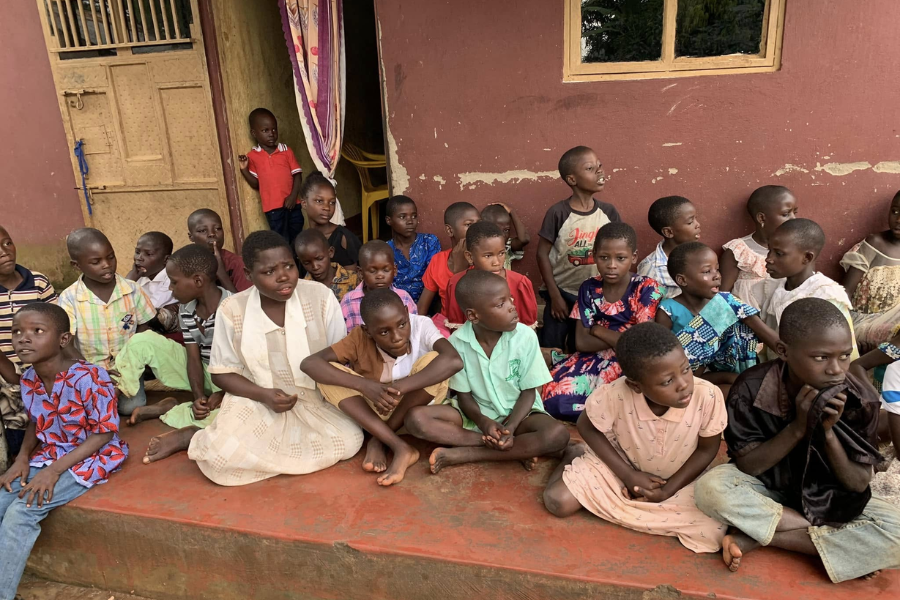
Namata stood behind the orphanage door, tiny hands pressed to the frame. Her eyes darted past Jessica and Adam without recognition.
“She didn’t smile,” Jessica later recalled. “She just stared.” The orphanage worker nudged her forward, but Namata barely moved.
Still, the moment felt holy. Jessica knelt, arms open, whispering: We’re here now. It wasn’t love at first sight—it was a beginning carved out of silence.
Home At Last
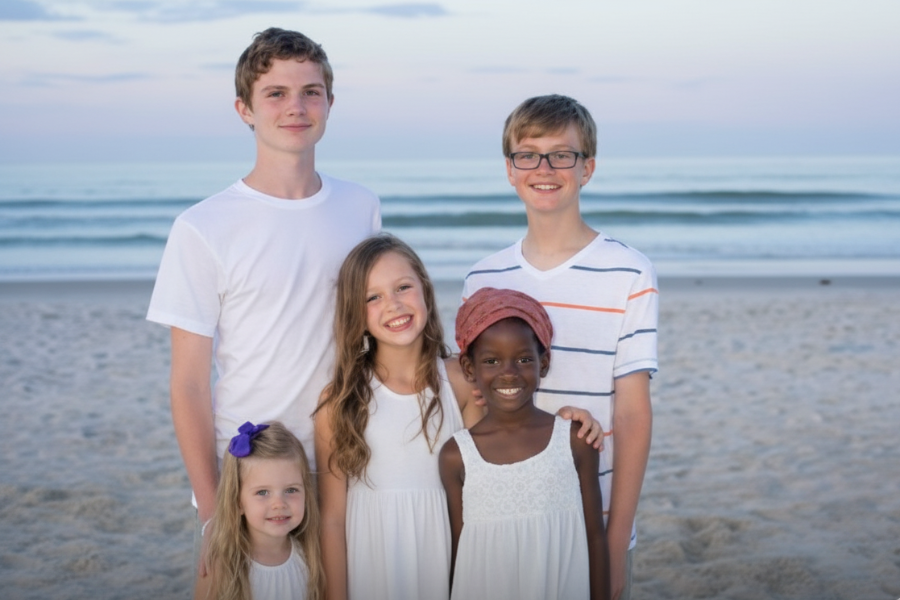
By late 2015, after weeks of legal processing, the Davises flew back to Ohio—with Namata beside them.
At the airport, her new siblings held handmade signs. Namata looked unsure but smiled when her name was called.
At home, they showed her her room, her toys, her toothbrush. Everything was new. “She explored quietly,” Jessica remembered. “Like someone checking if the dream was real.”
Meet Mata’s World
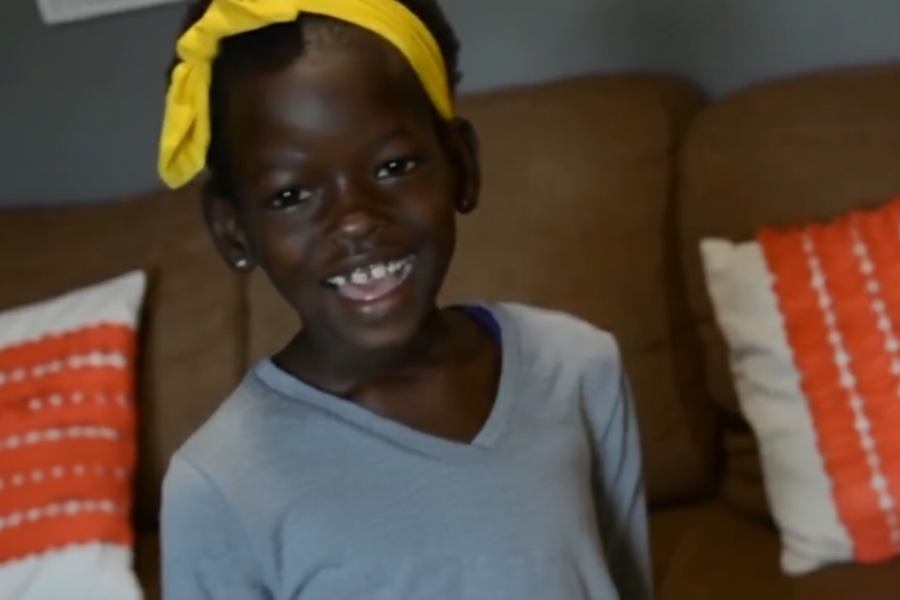
Jessica nicknamed her Mata. It felt softer, easier for little mouths to say. Soon, the whole house followed.
Mata learned routines quickly—bath time, breakfast, bedtime stories. She loved oatmeal, giggled at the dog, and danced without music.
By spring 2016, she spoke a few English words. “Mama, look!” was her favorite phrase. She had started blooming, and the family believed this was what healing looked like.
Soft Adjustments
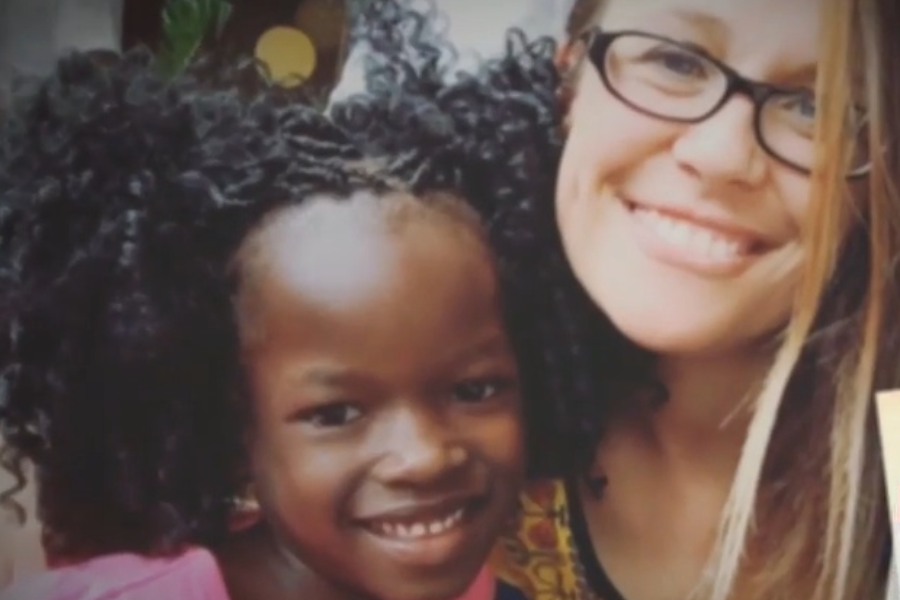
Some changes came easy: learning to wear shoes, saying “thank you,” asking for snacks.
Others came slower. Mata flinched at sudden noises. She hesitated before hugs. Jessica took it as trauma from her “past.”
The family wrapped her in patience. They believed time would explain everything. What they didn’t know: the real story hadn’t even started yet.
Too Good…Maybe
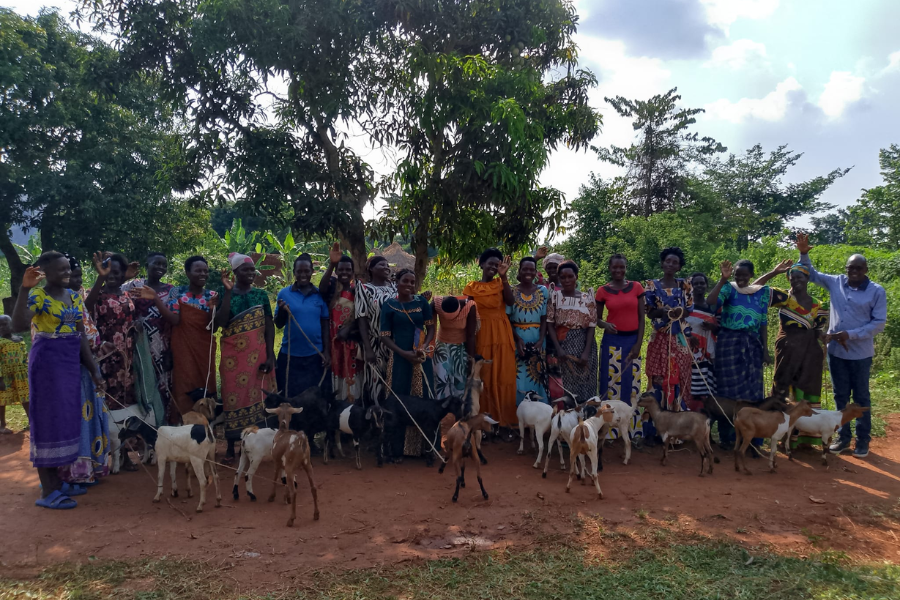
By summer 2016, Mata was fluent enough to tell bedtime stories back. But hers weren’t about orphanages.
She talked about her village. About animals and mango trees. About a mother who braided her hair.
Jessica smiled at first, thinking it was pretend play. But something about Mata’s tone felt too grounded, too real. Jessica felt a chill she couldn’t name.
Mata Starts Talking
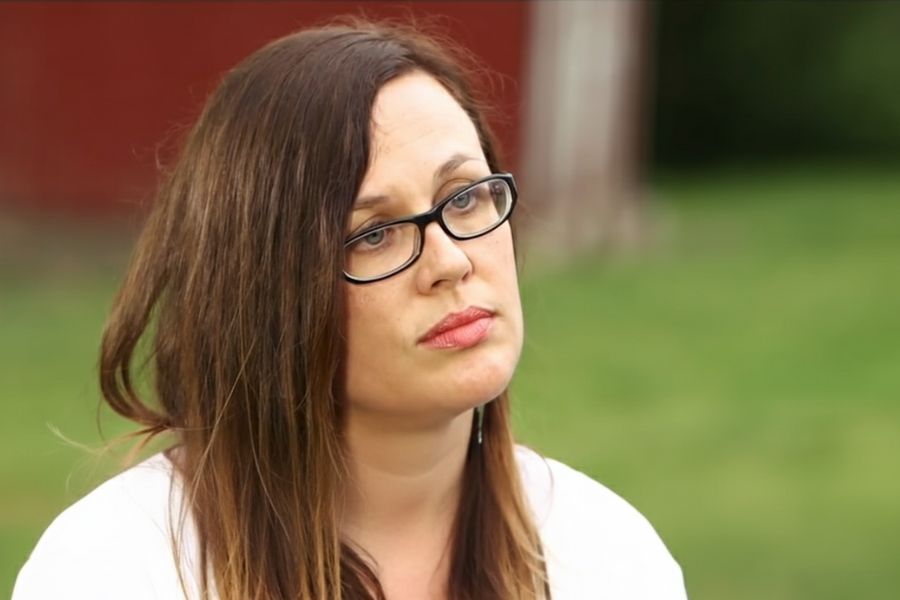
One day, Mata pointed at a photo of Jessica and said, “My other mommy had hair like this.”
Jessica froze. “Your mommy?” she asked gently. Mata nodded. “My real mommy. She loved me so much.”
That night, Jessica stayed awake, staring at the ceiling. She had a gut feeling she hadn’t let herself feel before: What if everything we were told was wrong?
A Different Story
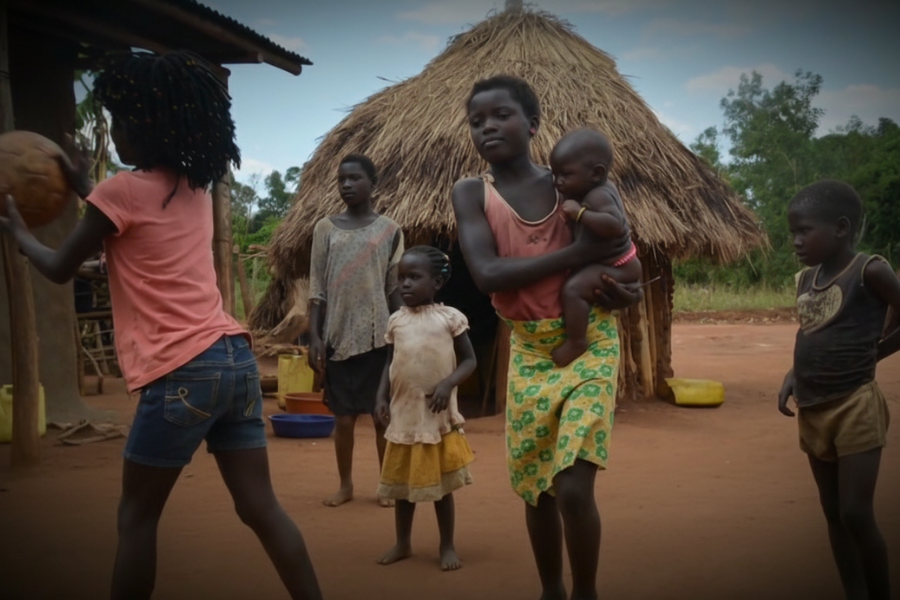
Jessica began journaling Mata’s memories—her siblings’ names, the color of her home, her school uniform.
None of it matched the adoption file. There was no mention of siblings. No school. No village.
Jessica tried brushing it off as confusion, trauma, or dreams. But Mata’s stories were too detailed. And she always ended with the same sentence: “I miss my mama.”
The Village Memory
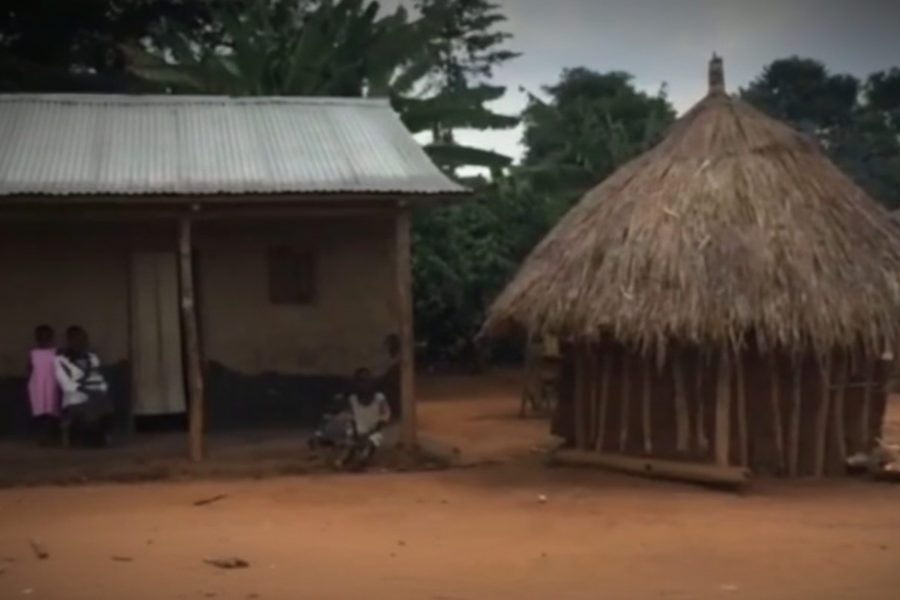
By August 2016, Mata had full conversations. Her stories were now vivid—and specific.
“She talked about goats, a church, even her grandmother’s teeth,” Jessica said. “That’s not imagination.”
The detail that hit hardest? Mata remembered walking four hours to a clinic with her mother. That exact distance was how far they’d taken her from her village to the orphanage.
Jessica Feels Torn

Jessica began pulling out the adoption file at night, comparing it to Mata’s stories. Nothing lined up.
“She wasn’t talking like a traumatized child,” Jessica later wrote. “She was grieving someone still alive.”
Jessica wanted to believe the agency. But her gut was louder now. Something about this adoption—this entire process—was starting to feel off.
Truth or Trauma?
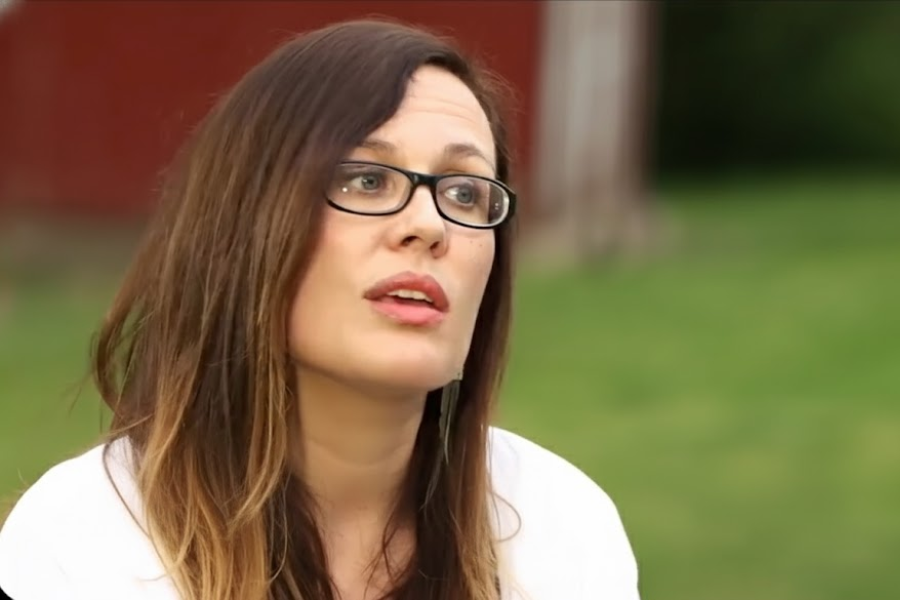
Jessica asked herself: Was this Mata processing loss, or remembering truth?
For months, she had filtered Mata’s words through the lens of trauma. But trauma doesn’t invent full names, house colors, or cow names.
She finally admitted it: This child didn’t forget her past—she was holding on to it.
Listening Hits Hard
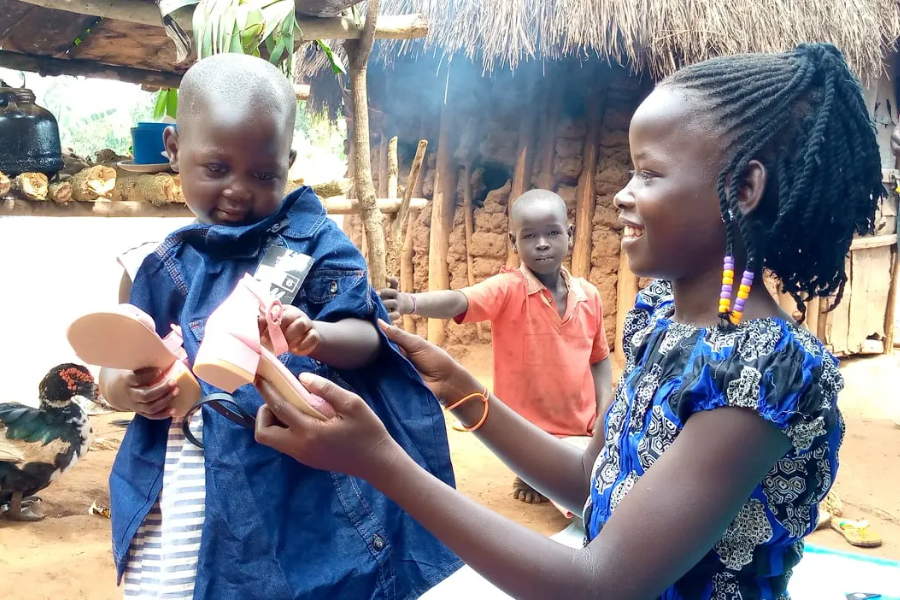
Jessica stopped correcting Mata. She stopped analyzing, explaining, or brushing off. Instead, she just… listened.
One night, Mata whispered, “She cried when I left.” Jessica didn’t respond. She just held her tighter.
“I began to understand what she was trying to say all along,” Jessica recalled. “She hadn’t been rescued. She had been taken.”
Nothing Matches Up
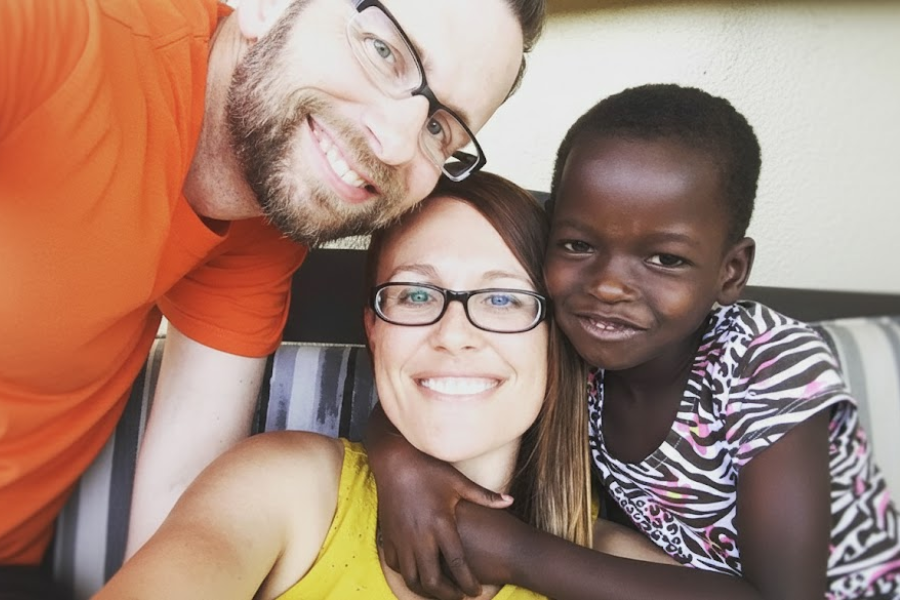
The file said Namata’s mother was abusive, unstable, incapable of care. But Mata’s stories spoke of warmth, safety, and love.
There was no mention of neglect. Instead, Mata described shared meals, jokes, and long walks.
Jessica now saw the file differently—not as a truth document, but as a script meant to sell a story.
A Growing Ache
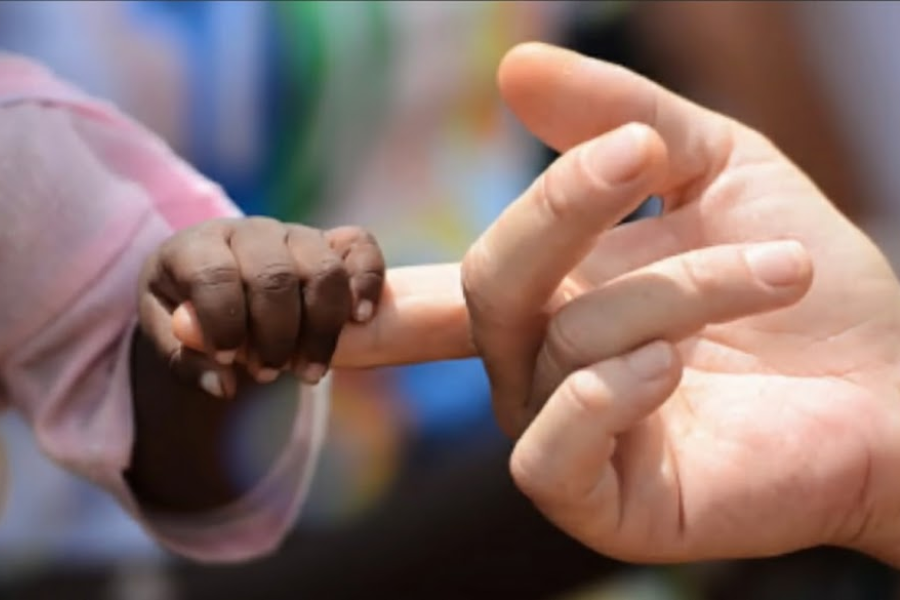
The guilt came slowly, then all at once. Jessica felt like she’d walked into someone else’s life and taken what wasn’t hers.
“She didn’t end up in our home by accident,” she realized. “She was moved.”
And if Mata’s mother hadn’t given her up willingly… then who did?
A Quiet Advocate
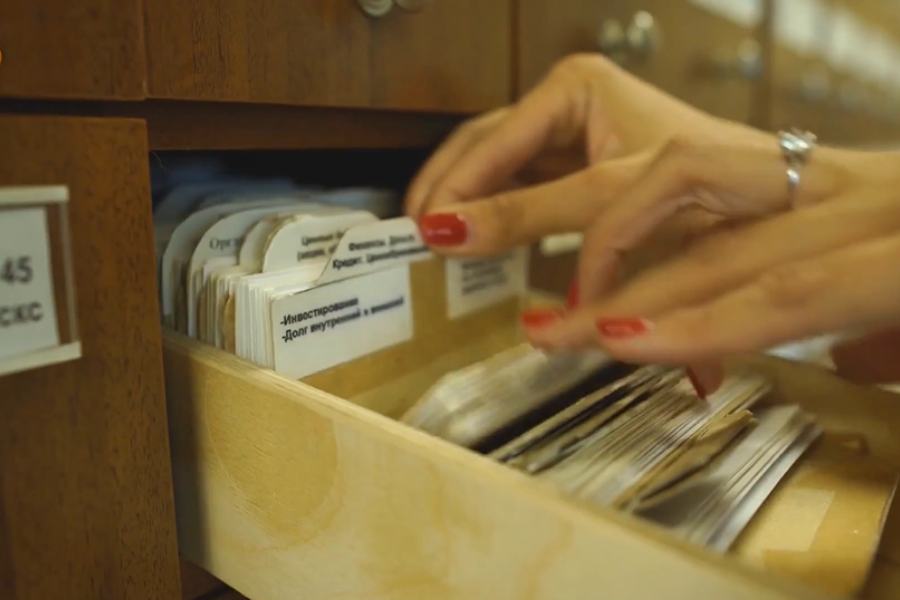
In September 2016, Jessica contacted Keren Riley, a U.S. advocate known for reuniting trafficked children with their birth families.
Keren didn’t sound shocked by the story. She’d heard it before—too many times. “You’re not the first,” she said gently.
Keren promised to start searching for Namata’s biological mother. And with that, Jessica took the first step toward undoing what had been done.
Found Her Mother
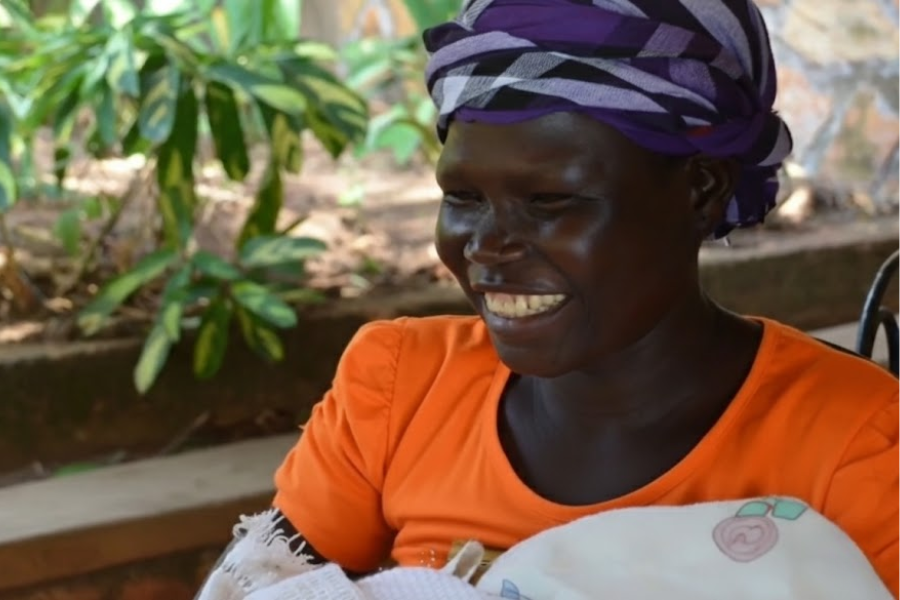
By late September 2016, Keren Riley called Jessica with news that stopped her breath.
“She’s alive,” Keren said. “Namata’s mother is alive.”
Jessica sat frozen. For months, she’d been fearing this truth, and now it had a voice.
Namata’s mother had never abandoned her. She’d been promised education in America, nothing more. What she signed was no sponsorship form—it was a permanent surrender disguised as hope.
The Video Call

A week later, Jessica arranged a FaceTime call between Mata and her biological mother.
The screen flickered, then steadied. A woman’s face appeared—and Mata gasped.
“She called out, ‘Mama!’ and started crying,” Jessica said. “It was the kind of cry that breaks you open.”
The woman wept too, saying over and over, “My baby, my baby.” In that instant, Jessica knew: the real mother had never let go. She’d just been silenced.
Joy Or Grief?
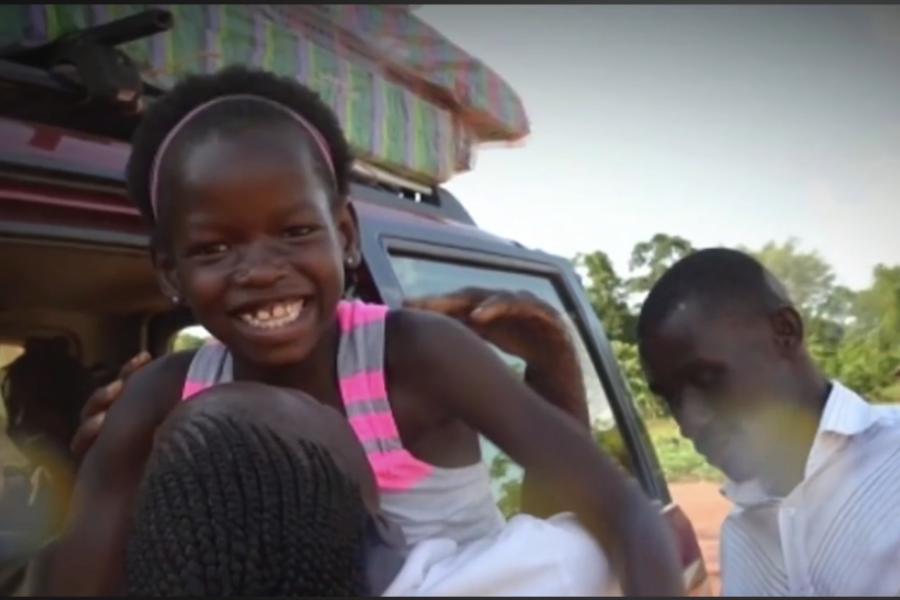
After the call, Jessica sat on the floor for hours. Joy and grief tangled inside her chest.
“She wasn’t ours,” she whispered. “She was never ours.” The realization cut deep but brought clarity.
Mata was happy after the call—glowing, almost lighter. She slept peacefully that night for the first time in months. Jessica realized truth, even painful truth, can heal better than comfort built on lies.
Stolen, Not Saved

Jessica contacted the U.S. State Department immediately. Volunteers from Reunite Uganda confirmed everything.
They’d seen the same scam across villages: mothers convinced their kids were going to school abroad. Instead, they were sold to agencies for up to $150,000 each.
Jessica read that number and felt sick. “We didn’t adopt an orphan,” she said softly. “We adopted a child stolen from her family.”
“Don’t Say Anything”

When Jessica shared the truth, not everyone wanted to hear it. One acquaintance warned, “Just keep her. No one will know.”
Others said, “God sent her to you—raising her here is your duty.” But Jessica couldn’t ignore what she’d learned.
“I never owned Namata,” she said firmly. “She’s a human being, not a souvenir of good intentions.” Silence would’ve been easier, but complicity would’ve been worse.
The Hardest Choice
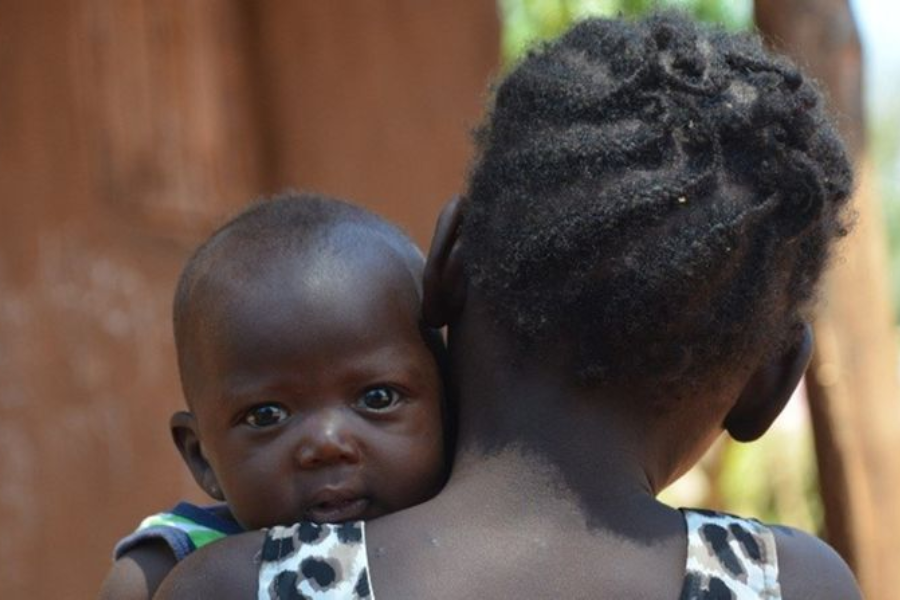
After knowing the truth, Adam and Jessica made their decision. They would take Namata home—not to Ohio, but to Uganda.
They packed her favorite doll, a few clothes, and left space for courage. Jessica couldn’t go; their savings were gone, and travel was risky after exposing the agency.
Before dawn, Adam whispered, “We’re doing the right thing.” Jessica nodded through tears. Their family was about to break in order to make another whole.
Back To Uganda
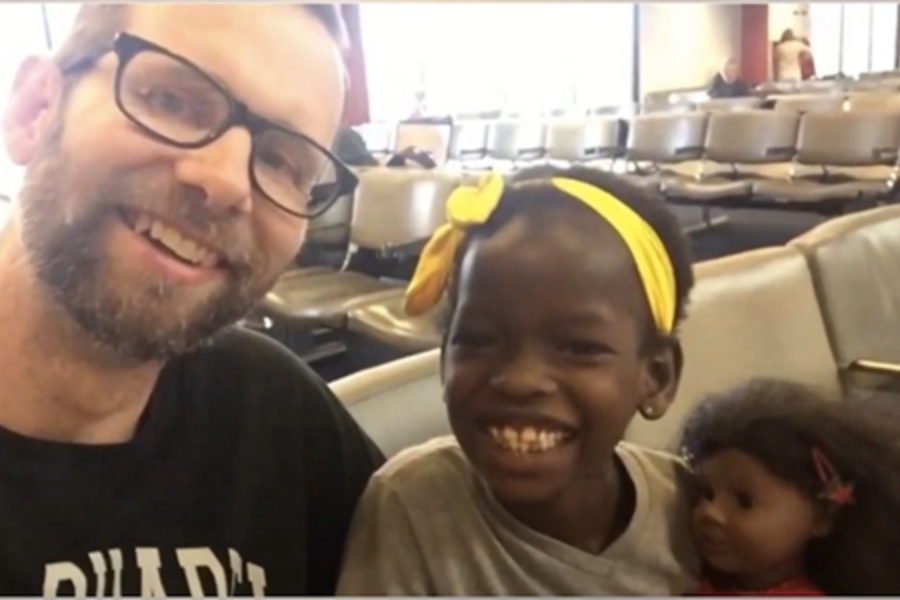
Adam and Namata boarded the flight to Entebbe, Uganda. She held his hand, whispering, “I see Mama soon.”
Four hours after landing, they reached her village. When her mother saw her, she dropped everything and ran.
Namata sprinted forward, crying, “Mama!”—the word that ended a nightmare. Adam watched as laughter rose through the crowd, knowing this moment rewrote everything they thought adoption meant.
Jessica Watches Home

Back in Ohio, Jessica stayed behind with their four children. She watched the reunion through a shaky video call.
“When I saw her run into her mother’s arms,” she said, “I felt heartbreak and peace at once.”
That moment was painfully beautiful. Mata’s laughter filled the screen, echoing through Jessica’s kitchen. It was the sound of healing—and of a mother learning that love sometimes means letting go.
Into Her Arms

Namata’s mother held her again for the first time in nearly two years.
“She never let her go,” Adam later told Jessica. “They just stood there crying and laughing.”
The village gathered around them, singing softly. For Namata, it wasn’t goodbye—it was coming home. Adam returned to the U.S. alone, heart torn but steady. “It hurt,” he said, “but it was right.”
Agency Crumbles Down
In December 2016, the U.S. State Department formally debarred European Adoption Consultants for gross negligence and corruption.
The FBI raided their offices soon after, uncovering forged documents and fabricated stories just like Namata’s.
For Jessica, the closure brought little comfort. “Justice doesn’t return stolen years,” she said, “but maybe it prevents more.” What had begun as one family’s heartbreak was now exposing a system’s cruelty.
Fighting For Families
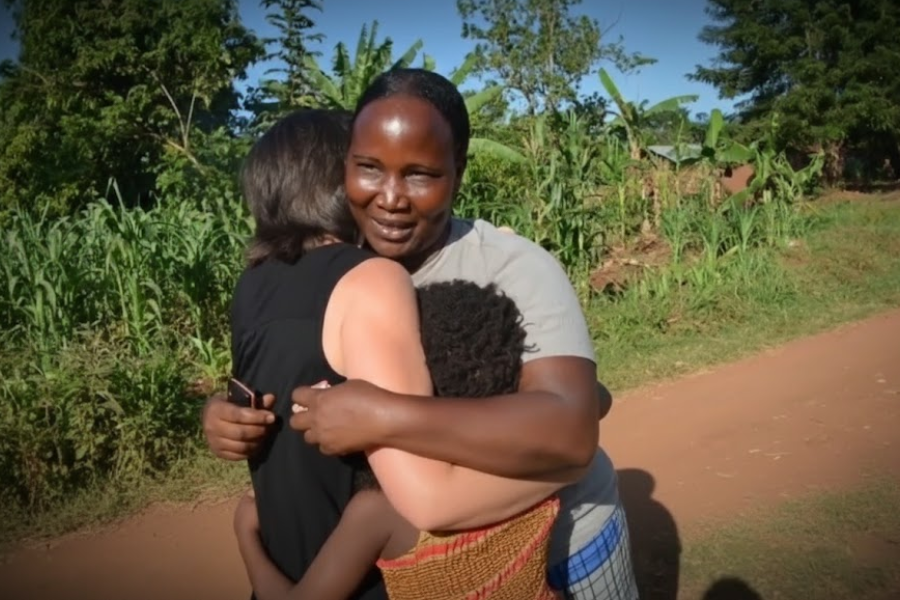
By 2017, Jessica began speaking publicly, determined to reform international adoption.
“Good intentions aren’t enough,” she told one audience. “We must make sure we’re not helping the problem we think we’re solving.”
She worked with Reunite Uganda and advocates like Keren Riley, raising awareness that most children in orphanages worldwide still had living parents. Her message was clear: love without ethics can destroy what it claims to save.
Namata’s True Life
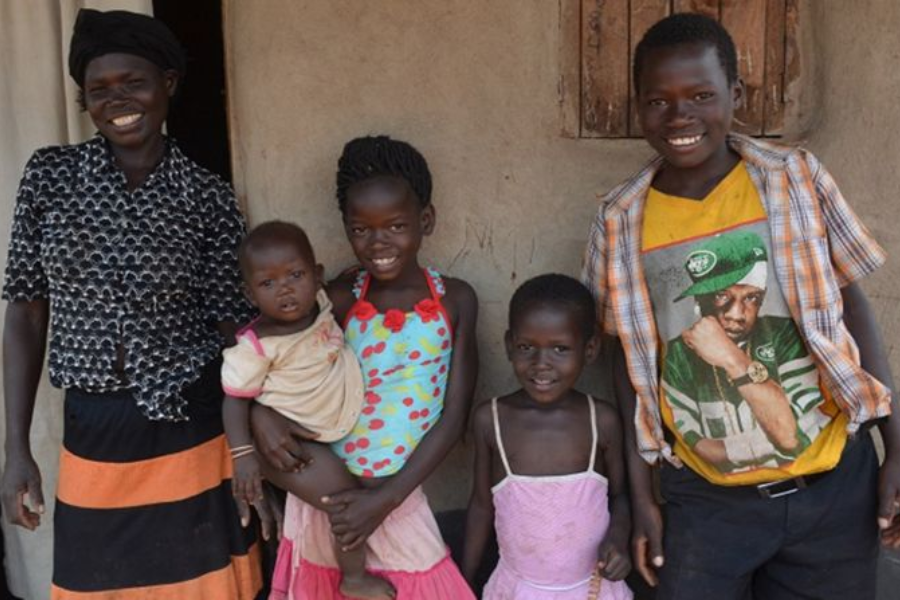
Years later, Jessica still receives photos—Namata laughing with her sisters, walking home from school, holding her baby sibling.
“She’s thriving,” Jessica said softly. “She’s where she belongs.”
Sometimes the updates make her cry, sometimes they make her proud. But always, they remind her that family isn’t ownership—it’s belonging. And belonging had finally found its way back to Uganda.
Love Means Letting
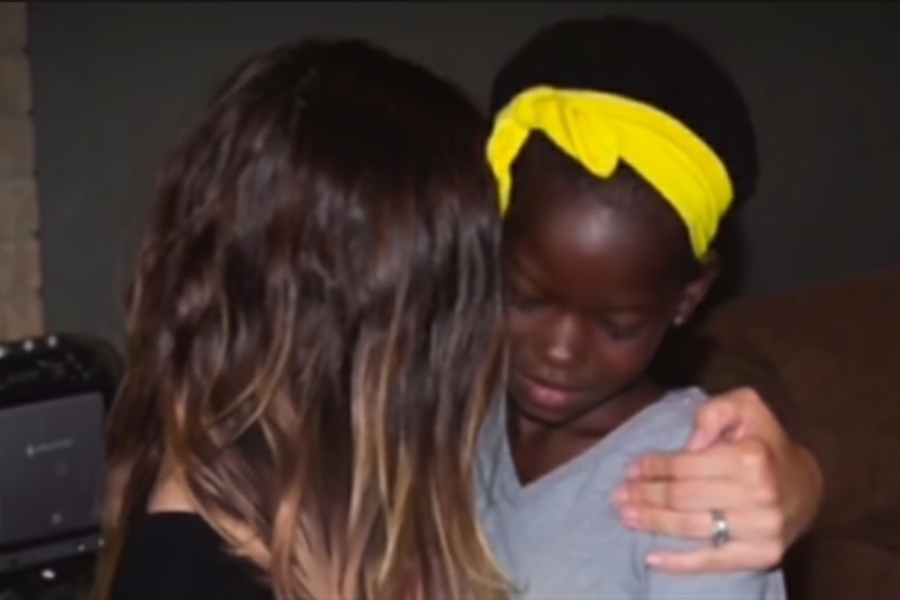
Jessica often revisits that morning in 2016 when Adam and Mata left. The quiet breakfast. The tearless goodbye.
“I told her she was brave,” Jessica remembered. “But really, I was telling myself.”
She has since learned that love’s purest form isn’t in keeping—it’s in freeing. What once broke her heart now shapes her mission: ensuring no child is ever taken under the name of rescue again.
Truth That Heals
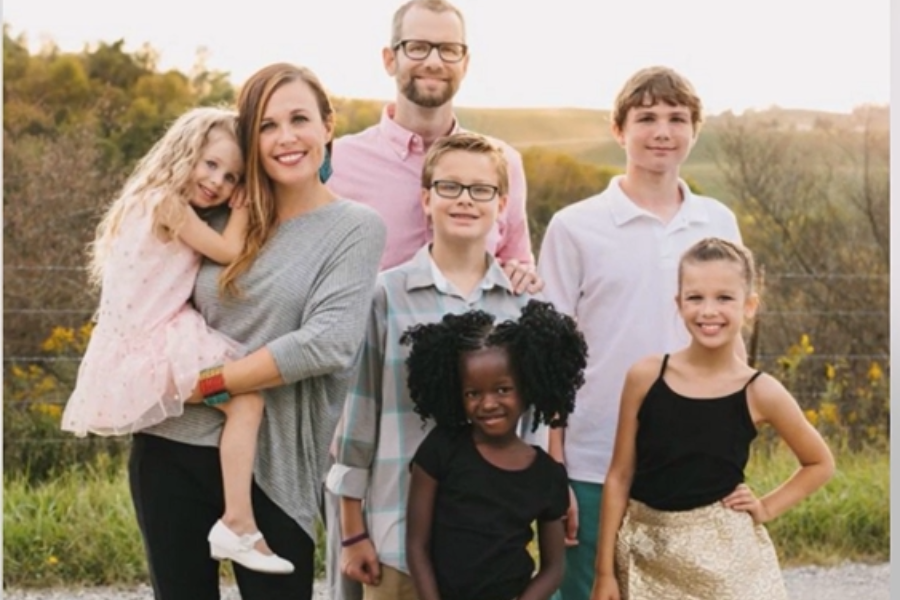
Jessica still gets messages from families who’ve uncovered similar deceptions. She listens, guides, and tells them: “The truth hurts, but it heals.”
Namata’s story became a lifeline for hundreds of others—proof that compassion must come with conscience.
“Adoption can be beautiful,” Jessica said. “But only when everyone involved is seen, heard, and safe.” Her journey began with a dream to save a child. It ended with saving the truth.
